
What Are the Recommendations for Worker Mobile Toilets
It is recommended to prioritize container-type mobile toilets, considering materials, disposal methods, quantity allocation, and cost plans comprehensively. Specific recommendations are as follows:
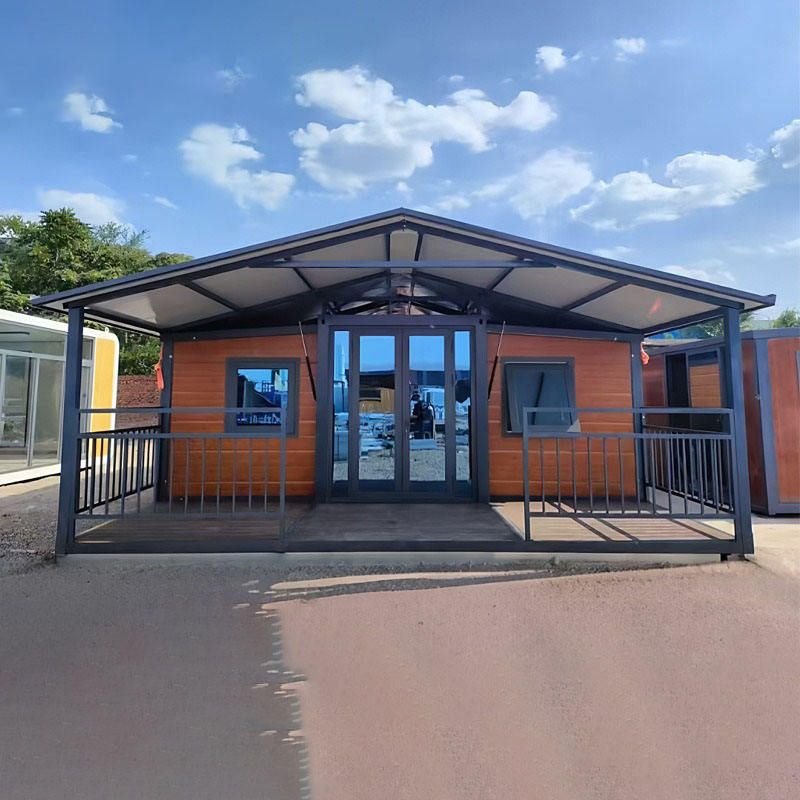
1. Type and Material Selection Container-type mobile toilets are the top choice for construction sites. Their steel structural frames (such as those welded from I-beams or square steel) offer high load-bearing capacity and impact resistance, suitable for frequent relocation needs. Metal decorative panels or stainless steel exterior walls are corrosion-resistant and impact-resistant, particularly suitable for humid or rainy regions (such as construction sites in Guizhou). The floor should be laid with anti-slip tiles or PVC anti-slip layers to reduce the risk of workers slipping. If the budget allows, thicker PVC materials or optimized drainage designs can be selected to further enhance durability.
2. Excreta Disposal Methods Select disposal technologies based on the water supply conditions at the construction site:
- With water supply and drainage: Water-flush toilets are recommended, equipped with large-capacity water tanks or sewage tanks (e.g., over 500L) to reduce the frequency of fecal removal and enhance convenience.
- Without water supply and drainage: Priority should be given to bagging-type (sealed with plastic bags, odorless) or foam-sealing-type (water-saving and no need for sewage disposal) toilets, avoiding biodegradable types (complex maintenance and susceptible to environmental influences). In cold or high-altitude regions, anti-freezing and UV-resistant products should be selected to ensure stable operation under extreme conditions.
3. Quantity and Space Allocation Calculate the number of toilet stalls based on the peak number of workers, with a general formula of 1 stall per 50-70 people. If there are female workers at the construction site, the recommended ratio of male to female stalls is 1:1.5, with each stall not smaller than 1.2m × 1.5m to ensure spaciousness. A row design can save space, while ventilation openings and lighting equipment should be reserved to improve the user experience.
4. Cost Optimization Plan
- Short-term projects (within 3 months): Leasing is recommended, as manufacturers usually provide one-stop services including installation, cleaning, and fecal removal, reducing initial investment and operational and maintenance pressure.
- Long-term projects (over 1 year): Purchasing is recommended. Although the initial cost is higher, the daily usage cost is lower, offering better long-term economic efficiency.
- Smart upgrades: If the budget allows, waterless biodegradable technologies (such as Zhongyunhui products) can be selected, achieving zero emissions through microbial decomposition, saving over 3,000 tons of water annually, and reducing operational and maintenance costs by about 40%, suitable for projects with high environmental requirements.
5. Adaptation to Special Environments In humid or rainy regions, focus on checking the waterproofing of materials to prevent structural damage from water accumulation. In cold regions, select toilets with insulation layers to prevent pipe freezing. In areas with heavy sandstorms, strengthen the sealing of doors and windows to reduce dust ingress.
Summary: Container-type mobile toilets, through modular design, high-strength materials, and flexible disposal methods, can meet the diverse needs of construction sites. By reasonably selecting leasing/purchasing plans and optimizing the number of stalls and smart configurations based on project duration, budget, and climatic characteristics, usage efficiency and cost-effectiveness can be significantly improved.



