
Wooden Man Container House
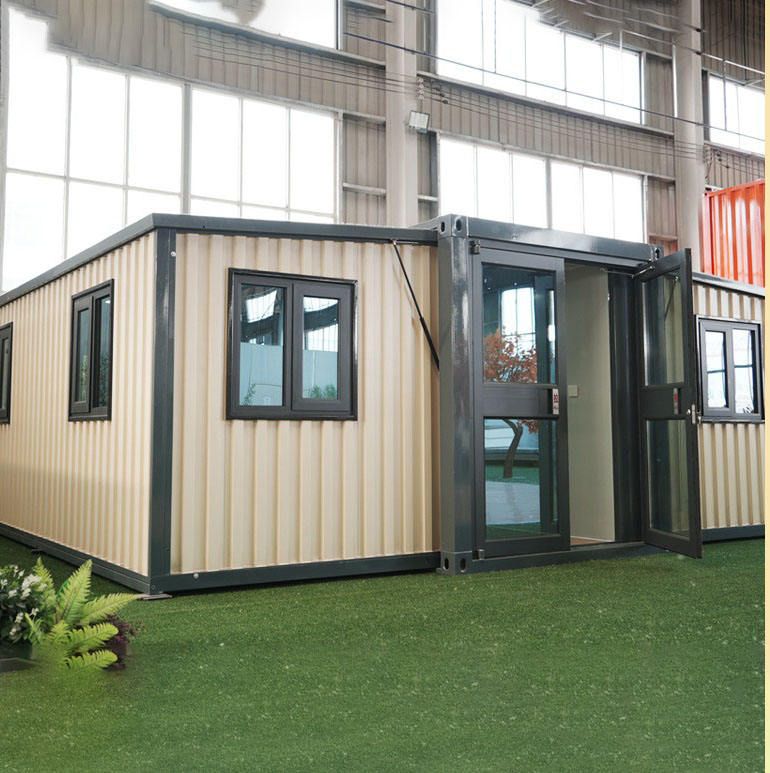
Wooden Man Container House generally refers to a movable house designed by combining wooden structures with the characteristics of containers. It features modularity, flexible assembly, environmental protection, and energy efficiency, but attention must be paid to fire safety and material compliance. The following analysis covers design features, application scenarios, safety hazards, and improvement suggestions:
Design Features and Advantages
The core of the Wooden Man Container House lies in the combination of wooden structures and container modularity. Wooden materials provide natural textures and thermal insulation, while the container frame offers structural strength and mobility. For example, Foshan Yumei Wood Structure Company's customized container wooden houses combine anti-corrosion wood with steel frames, meeting the aesthetic needs of scenic area homestays while offering the flexibility of rapid assembly, disassembly, and relocation. Additionally, Yunnan Hongren Container Manufacturer breaks the rigid appearance of traditional containers through designs such as curved balconies and panoramic floor-to-ceiling windows, making them suitable for various scenarios including cultural tourism homestays and construction site dormitories.
Application Scenarios
- Temporary Residence: Worker dormitories on construction sites, field operation housing, and temporary guest rooms at tourist attractions have become popular choices for short-term residence due to their quick setup and low cost.
- Commercial Use: Street-side shops, milk tea stores, exhibition hall live-streaming rooms, etc., attract foot traffic through personalized appearances (such as rustic or industrial styles).
- Creative Residences: In some cases, homeowners have transformed containers into permanent residences by adding insulation layers and reasonably planning spaces to achieve comfortable living (such as a container house for a family of four in a Jiangsu town).
Safety Hazards and Improvement Suggestions
- Material Non-Compliance Risks: Some low-cost container houses use flammable sandwich materials such as polystyrene and polyurethane foam. It is necessary to prioritize the use of Class A fire-resistant materials such as rock wool boards and fireproof cotton, and ensure that electrical wiring is protected with sleeves and sockets are installed in metal-plated boxes.
- Fire Safety Design Defects: Containers are highly airtight, and toxic smoke can easily accumulate in the event of a fire. It is necessary to reserve escape routes, equip them with fire extinguishing equipment, and maintain a container spacing of ≥6 meters to reduce the risk of fire spread.
- Structural Stability: For long-term use, it is necessary to check the anti-corrosion treatment of steel frames to avoid a decrease in load-bearing capacity due to rust.
Industry Trends
With the maturity of prefabricated building technology, container houses are transitioning from 'temporary' to 'permanent'. For example, cases such as the first two-story container residence certified by the United States and the Drivelines Studios building in South Africa (composed of 140 containers) demonstrate their potential in residential and commercial fields. In the future, Wooden Man Container Houses will need to continuously optimize in terms of material innovation, fire safety regulations, and intelligent design (such as integrated solar energy and intelligent temperature control) to balance safety and practicality.



