
Winter Portable Toilet
Winter portable toilets can be used, but targeted measures need to be taken in terms of insulation, pipe antifreeze, cleaning and maintenance, ventilation management, metal component protection, and extreme weather handling. Meanwhile, professional winter models can be selected to enhance usage safety.
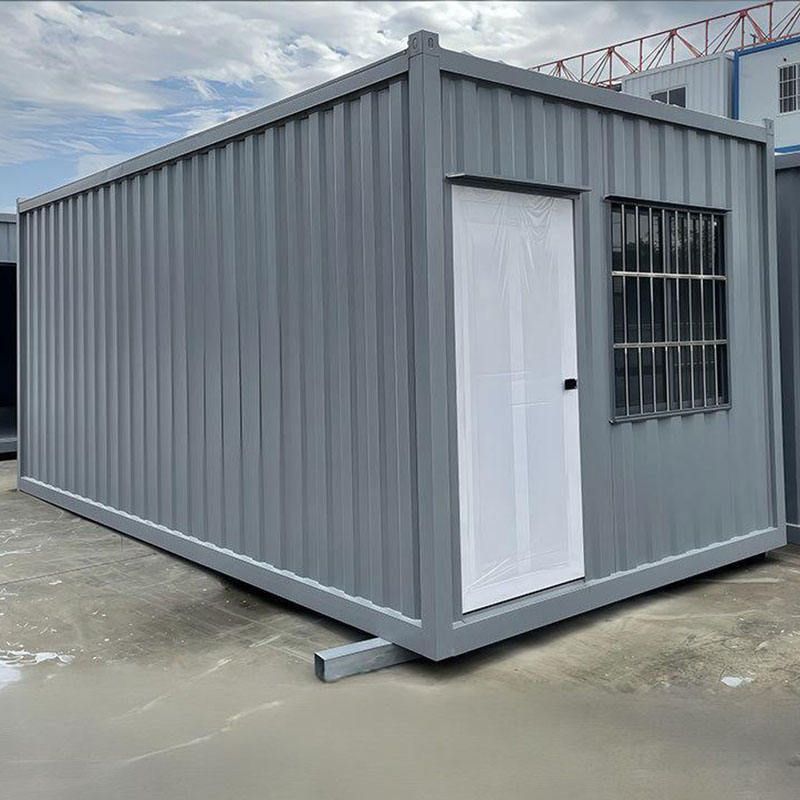
Insulation Measures
Insulation for winter portable toilets should balance airtightness and internal temperature control. Door and window sealing is fundamental. Anti-wind strips or thick curtains should be installed at drafty spots to reduce cold air infiltration. For internal heating, it is recommended to use low-power warm air blowers (below 500W), which should be fixedly installed and kept away from flammable materials. The electrical circuit should be checked daily. In extremely cold regions in the north, explosion-proof electric heaters can be chosen, with the surface temperature controlled below 60℃ to avoid scalding or fire risks. Professional winter-model portable toilets are usually equipped with double-layer insulated walls to effectively reduce heat loss.
Pipe Antifreeze
Pipe antifreeze is a core aspect of winter usage. For insulation treatment, wrap the pipes with 3cm-thick rubber-plastic insulation cotton and then wind waterproof tape around them. In North China, it is advisable to install heating tapes, which should be activated when the temperature drops below -5℃ to maintain the pipe temperature. Thawing methods should be cautious: If the pipes freeze, do not pour boiling water directly on them. Instead, use warm water below 40℃ to flush them slowly or use special pipe thawing agents (such as calcium chloride solution) to prevent pipe breakage due to thermal expansion and contraction.
Cleaning Management
Cleaning in low-temperature environments should balance antifreeze and hygiene. The cleaning water temperature should be maintained between 20-30℃, and antifreeze cleaning agents can be added to enhance dirt removal. After cleaning, immediately use an absorbent mop to dry the floor. If necessary, spread environmentally friendly de-icing agents (such as magnesium chloride-based ones) to prevent icing. The cleaning frequency is recommended to be at least twice a day, focusing on the toilet and floor drain areas to avoid blockages caused by frozen waste.
Ventilation and Humidity Control
Ventilation should balance antifreeze and air quality. For timed ventilation, open the windows between 10:00 and 14:00 daily for no more than 15 minutes each time to reduce cold air entry. For humidity management, it is recommended to maintain a humidity level of 40%-60%, which can be achieved by hanging wet towels or placing small humidifiers. This helps avoid skin dryness due to low humidity or mold growth due to high humidity.
Metal Component Protection and Extreme Weather Handling
Metal components (such as door locks and hinges) should be coated with silicone-based antifreeze lubricant every week to prevent freezing-induced jamming or breakage. In extreme weather (below -20℃), it is advisable to suspend usage and empty the water storage tank to avoid equipment damage from freezing. Professional winter-model portable toilets are usually equipped with anti-slip floors and electric heating pipe systems to further enhance safety and convenience.



