
Mobile Toilets in Winter
Mobile toilets in winter can ensure normal use through insulation design, heating devices, and standardized management, but attention must be paid to warmth, freeze prevention, cleaning, and extreme weather response measures.
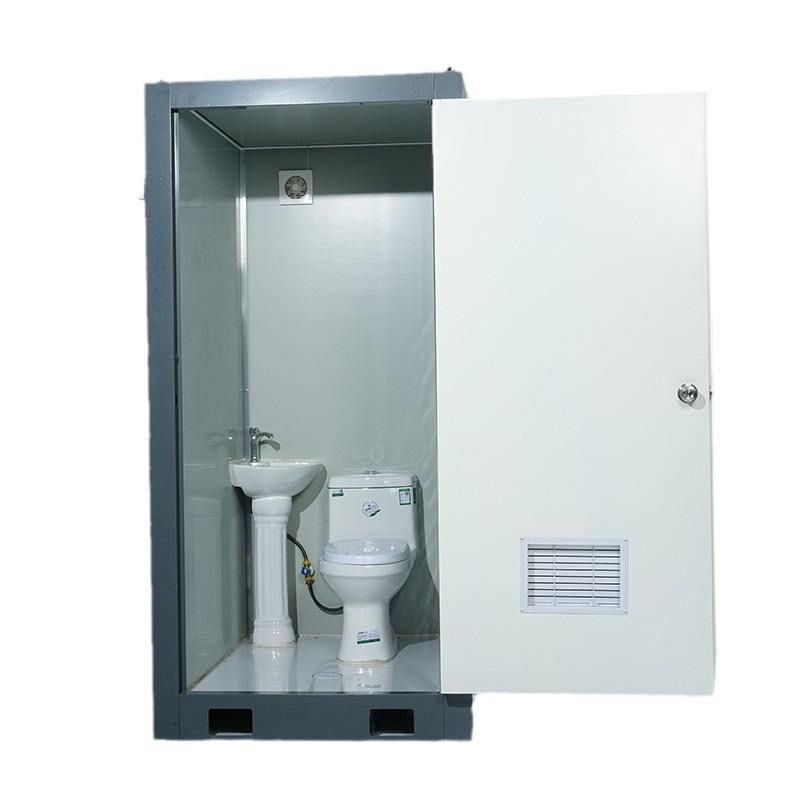
I. Insulation and Heating Design
The walls of mobile toilets typically use insulating materials (such as polystyrene foam boards, rock wool boards, etc.), with some designed as double-layer insulation structures to maintain internal temperature by reducing heat loss. In terms of facility configuration, heating devices are added in winter, such as electric heating tubes or underfloor heating systems, which directly act on water tanks and pipes to prevent freezing due to low temperatures. Some high-end models are also equipped with automatic flushing and heating linkage systems that automatically activate heating when the temperature falls below a set value to ensure normal flushing function.
II. Key Considerations During Use
Warmth Measures
- Check the airtightness of doors and windows to prevent cold air infiltration. Sealing strips can be added or thick curtains used to assist with insulation.
- Use low-power warm air blowers or explosion-proof electric heaters to raise the internal temperature, but ensure the circuit load matches to avoid short-circuit risks.
Pipe Freeze Prevention
- Wrap insulation cotton around water pipes and install heating tapes (self-limiting electric heating tapes) to prevent freezing through continuous micro-heating.
- If pipes are already frozen, do not use open flames for baking. Instead, use warm water pouring or specialized defrosting agents to handle them, avoiding pipe rupture.
Cleaning Management
- Use 20-30℃ warm water for cleaning to prevent sewage from freezing due to low temperatures.
- Promptly clean up water stains on the floor, lay anti-slip mats, and clean at least twice a day to avoid odors and bacterial growth.
Ventilation and Humidity Control
- Open windows for ventilation regularly (10-15 minutes each time) to prevent moisture accumulation and condensation.
- Maintain indoor humidity at 40%-60%, which can be adjusted by placing desiccants or using dehumidifiers.
III. Extreme Weather Response
When the temperature falls below -20℃, it is recommended to suspend the use of mobile toilets and empty the residual water in storage tanks, water tanks, and pipes to prevent freezing and cracking. If continuous use is required, insulation measures must be strengthened and inspection frequency increased.
IV. Applicable Scenarios
Mobile toilets are often used in temporary high-traffic areas due to their flexible deployment and rapid setup, such as ice and snow festivals, marathon events, outdoor construction sites, etc., effectively supplementing the shortage of fixed sanitation facilities.



