
Wind and Earthquake Resistant Mobile Toilet
Wind and earthquake resistant mobile toilets possess a variety of characteristics and design advantages, enabling them to adapt to different environmental needs and ensure safety and stability during use.
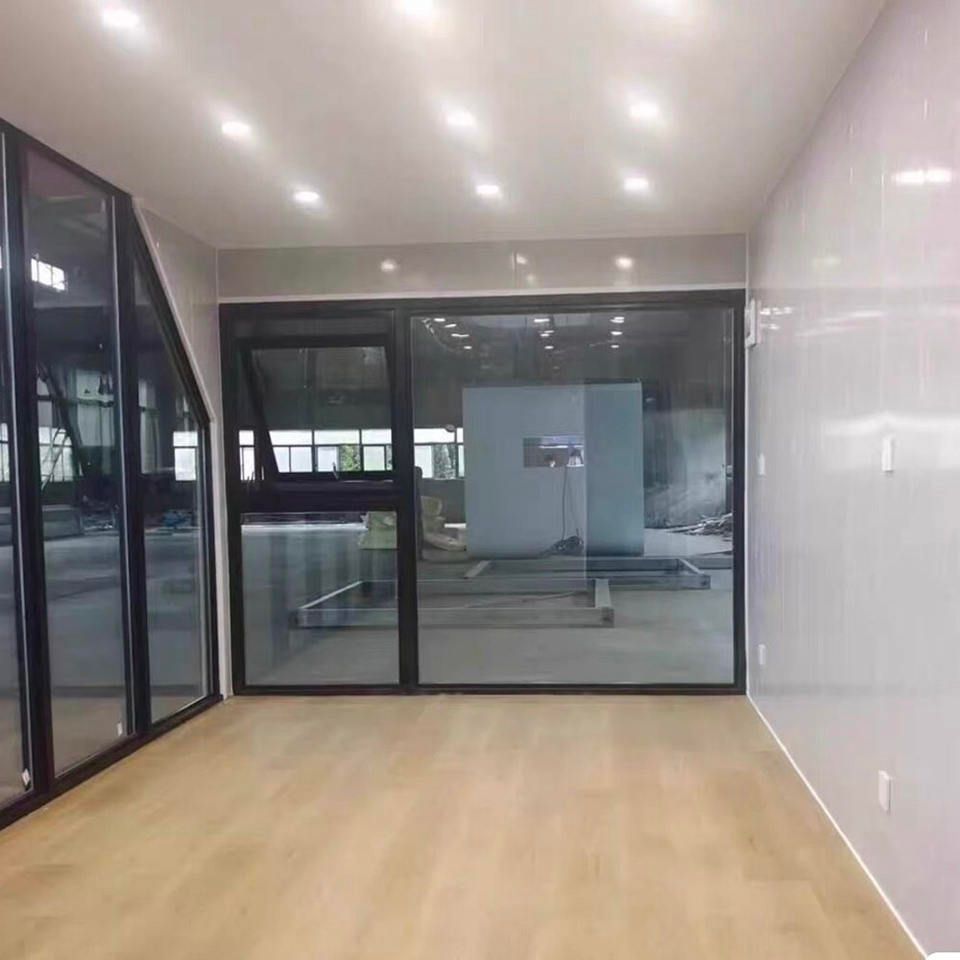
I. Structural Design and Material Advantages
Some wind and earthquake resistant mobile toilets adopt a fully metallic structure, with the main frame constructed from 2.5mm thick galvanized steel plates. These plates undergo anti-rust treatment and high-temperature baking paint processes, which not only enhance structural strength but also effectively resist corrosion and wear under harsh weather conditions. This design ensures that the toilet remains stable in extreme environments such as strong winds or earthquakes, reducing the risk of displacement. For example, actual measurement data shows that in a Level 1 wind environment, the toilet's displacement does not exceed 5 centimeters, demonstrating its excellent wind resistance.
II. Wind and Earthquake Resistance Performance and Lifespan
The wind and earthquake resistance capabilities of mobile toilets are closely related to their design philosophy. For instance, the Mobile Apple Cabin Toilet is designed specifically for wind and earthquake resistance, capable of withstanding significant external impacts and boasting a lifespan of up to 30 years, making it suitable for long-term fixed use scenarios. On the other hand, the Essential Shockproof and Windproof Mobile Toilet for Camping focuses more on flexibility and practicality, featuring a modular design that can be rented as needed and has a lifespan of 15 years, meeting temporary or short-term use requirements. These designs enhance overall stability through structural optimization and material selection.
III. Third-Party Testing and Certification
To ensure that wind and earthquake resistance performance meets standards, some institutions provide professional third-party testing services. For example, Shanghai Qiushun Construction Engineering Firm can conduct structural strength tests on mobile toilets, including key indicators such as wind and earthquake resistance, and issue authoritative reports. This testing mechanism provides a scientific basis for product safety and helps users select mobile toilets that comply with standards.
IV. Application Scenarios and Adaptability
Wind and earthquake resistant mobile toilets are widely used in outdoor activities, disaster relief, temporary construction sites, and other scenarios. Their design balances portability and stability; for example, camping mobile toilets can be quickly deployed through rental services, while metallic ecological toilets are suitable for long-term fixed installation. Different types of products can adapt to climate conditions ranging from mild to extreme by adjusting structural parameters and material configurations, ensuring normal functionality.
In summary, wind and earthquake resistant mobile toilets achieve a balance between safety and practicality through structural optimization, material upgrades, and third-party testing, providing reliable infrastructure support for outdoor environments.



