
Will Prefabricated Houses Become a Trend?
Prefabricated houses show a trend of becoming popular, especially with outstanding performance in overseas markets, but they have not yet become widespread in the domestic market.
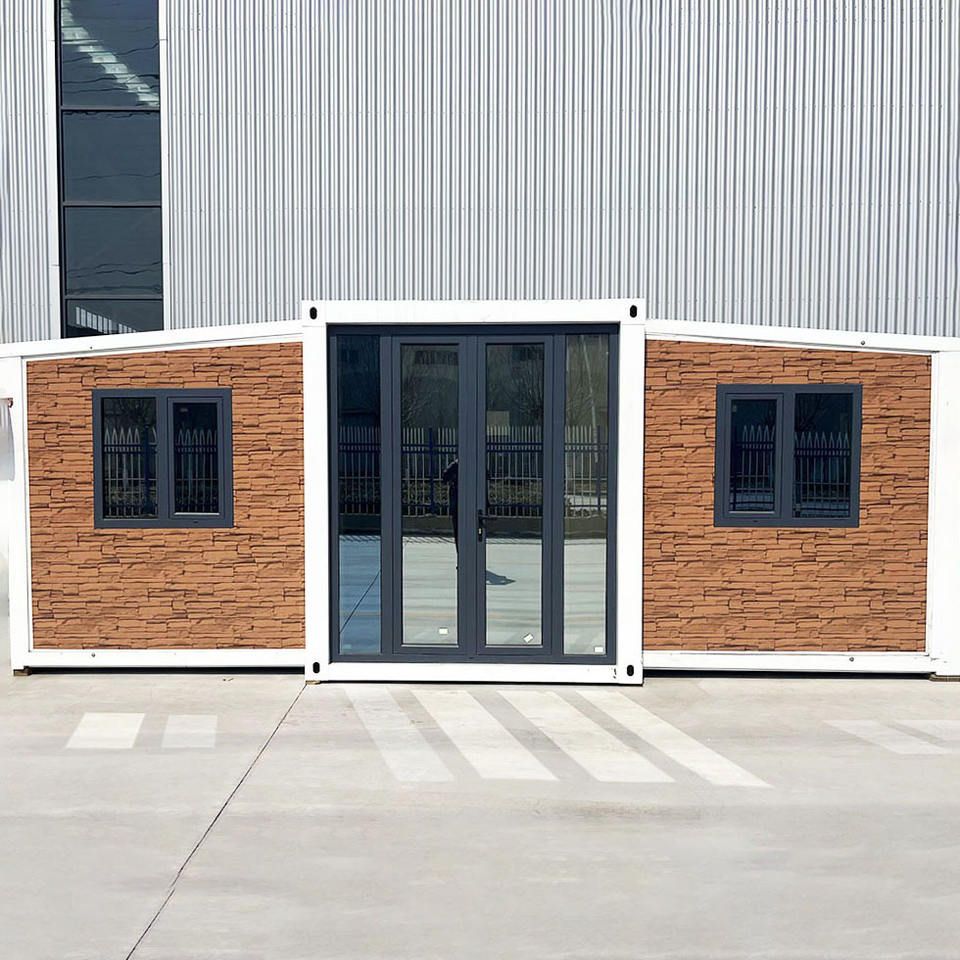
Overseas Market: The Trend of Prefabricated Houses Becoming Popular is Evident
In overseas markets, prefabricated houses are gradually becoming a trend. From export data, China's export volume of prefabricated buildings climbed from $1.7 billion in 2020 to $4.3 billion in 2025, a 1.5-fold increase, with the United States, Southeast Asia, Australia, and Western Europe being the main buyers. In European and American countries, the popularity of prefabricated houses has practical reasons. Taking the United States as an example, the shortage of construction workers and high costs are prominent issues, while prefabricated houses produced in China offer extremely high cost-effectiveness. In 2025, the United States imported more than 70,000 sets of prefabricated building kits, with about 40% coming from China. Additionally, modular buildings have numerous advantages. They have a short construction period, with the construction cycle being more than 60% shorter than that of traditional buildings. Their quality is controllable, ensuring the stability of building quality. They are energy-efficient and environmentally friendly, aligning with the current concept of green development. Moreover, the application scenarios of prefabricated houses are continuously expanding, no longer limited to traditional residential areas, but also applicable to commercial, office, and other scenarios.
Domestic Market: Prefabricated Houses Have Not Yet Become Widespread
However, in the domestic market, prefabricated houses have not yet become widespread. On the one hand, the cost of self-built houses in rural China is not significantly different from that of prefabricated houses. When building their own houses, farmers tend to choose traditional construction methods, feeling more secure about building their own houses from scratch. This traditional mindset to some extent hinders the promotion of prefabricated houses. On the other hand, the prefabricated housing industry is highly competitive, with numerous enterprises entering the field, leading to prominent homogenization issues. Some factories, in order to compete for market share, continuously lower prices, resulting in thinned-out profits. In this situation, the prefabricated housing industry may face a shakeout in the future, with some weaker and less innovative enterprises likely to be eliminated, which also to some extent affects the development speed of prefabricated houses in the domestic market.



