
Volver al blog
Artículo
Will Container Houses Be Hot?
Admin 15 de septiembre de 2026
Container houses can be hot if not insulated, but through reasonable design and insulation measures, the thermal environment can be effectively improved to achieve comfortable living. Here is a detailed analysis:
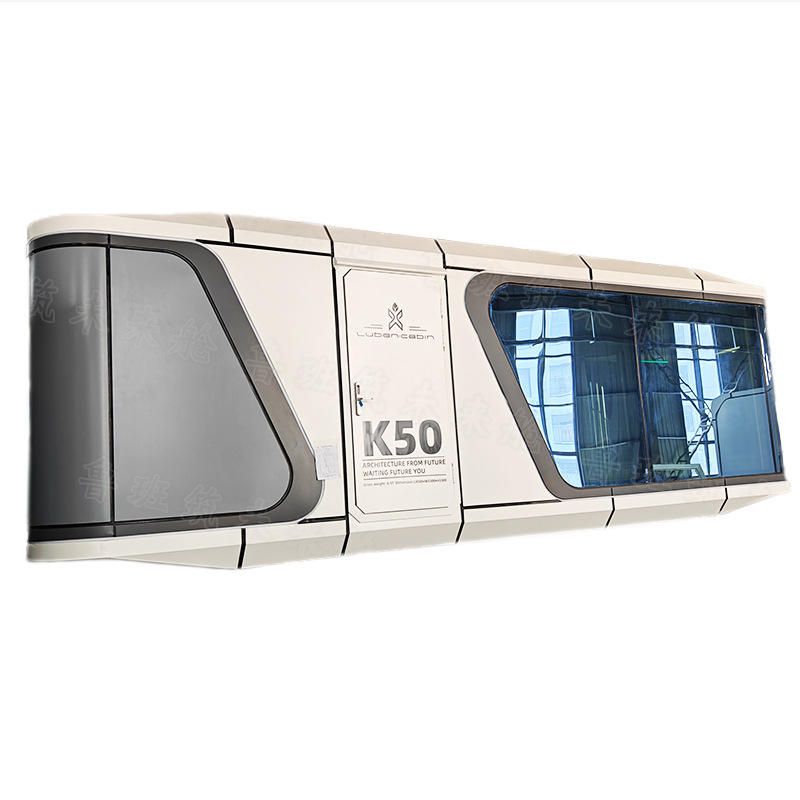
Material Characteristics and Insulation Challenges
Container houses are mainly made of metal materials. Metal has strong thermal conductivity and is prone to absorbing and conducting heat in high-temperature environments, leading to a rapid rise in indoor temperature. For example, after being exposed to the sun in summer, the internal temperature of an unprocessed container may be higher than that outside, forming a 'hot box effect'.
Insulation Technologies and Material Applications
To solve this problem, modern container houses generally adopt a multi-layer composite structure:
- Outer Layer: Use anti-corrosion color-coated steel plates to reflect sunlight and reduce heat absorption.
- Middle Layer: Fill with more than 50mm of polyurethane foam or rock wool boards to block heat conduction. The thermal conductivity coefficient of the polyurethane foam layer is ≤0.45W/(㎡·K), and its insulation efficiency is 1.8 times that of traditional brick-and-mortar walls.
- Inner Layer: Use fire-resistant gypsum boards + moisture-proof films to jointly control humidity and temperature.
Actual Sensory Experience and Performance Verification
- Temperature Response: Measurements show that in summer at noon, the temperature rise inside the cabin is 22 minutes slower than that outside. In winter, when closed for 8 hours, the indoor temperature only drops by 1.3℃, providing a stable sensory experience without sudden cold or heat.
- Scenario Case: A coffee shop in Moganshan uses sandwich panels with aluminum foil reflective layers, combined with adjustable sunshade canopies and bottom ventilation slots. Even when exposed to direct sunlight in the afternoon, the interior can remain comfortable without air conditioning.
Additional Measures to Enhance Insulation
- Ventilation Design: Increase ventilation openings, install exhaust fans, or adopt a double-layer structure to promote air circulation and reduce stuffiness.
- Sunshade System: Install external sunshades, blinds, or green vegetation to reduce direct sunlight exposure.
- Internal Layout: Reasonably plan furniture placement to avoid blocking ventilation paths and improve space utilization and comfort.
Long-term Use and Maintenance Recommendations
- Regular Inspection: Ensure that the insulation layer is not damaged and the sealing strips are intact to prevent heat leakage.
- Environmental Adaptation: In humid or extreme climate areas, strengthen moisture-proof and anti-corrosion treatments to extend the lifespan of the house.
Relacionados



