
Why Do Mobile Toilets Have Bubbles
Mobile toilets have bubbles because they use foam sealing technology, which achieves sealing, lubrication, and deodorization functions through foam, replacing the traditional water-flushing method.
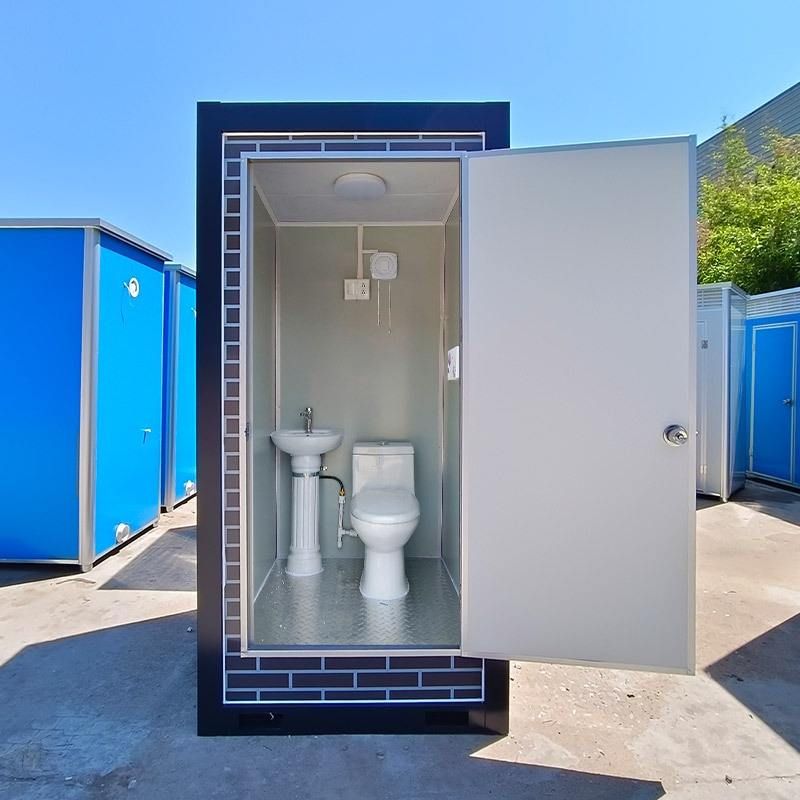
Foam Generation Mechanism
The foam generation in mobile toilets relies on an internal foaming device. After a user finishes excretion, the device triggers a working program through sensors: it mixes a special foaming agent, a small amount of water, and air in a specific ratio. Inside the foaming chamber, a large amount of fine and dense foam is generated through physical or chemical methods (such as mechanical stirring or compressed air). These foams have high stability and low fluidity, enabling them to quickly cover the interior space of the toilet bowl and form a uniform foam layer.
Core Functions of Foam
- Odor Sealing: After the foam layer covers the surface of the excreta, it cuts off the diffusion path of odor molecules through physical blocking, effectively inhibiting the escape of malodorous gases such as ammonia and hydrogen sulfide. Compared to traditional water-flushing toilets, the foam has stronger sealing properties and can reduce odor leakage by more than 90%.
- Lubrication and Anti-sticking: The lubricating properties of the foam make it easier for the excreta to slide down under the action of gravity, preventing it from adhering to the inner walls of the toilet bowl. This function significantly reduces the cleaning frequency, especially suitable for high-frequency usage scenarios (such as tourist attractions and construction sites), while also reducing water consumption.
- Bacteriostasis and Insect Prevention: The surfactant components in the foam can disrupt the cell membrane structure of bacteria, inhibiting the proliferation of common pathogens such as Escherichia coli and Staphylococcus aureus. In addition, the dense foam layer can block the contact between mosquitoes and excreta, reducing insect infestation from the source.
Safety and Experience Optimization of Foaming Agents
The foaming agents used in mobile toilets are usually made from natural plant extracts or food-grade surfactants, ensuring they are non-toxic, harmless, and biodegradable. Some products add natural fragrances such as lemon and mint to further improve the user experience by masking residual odors. It should be noted that the proportion of the foaming agent must strictly follow standards, as excessive use may lead to foam overflow or a decrease in lubrication effect.
Summary of Technological Advantages
The foam sealing technology achieves triple effects of water conservation (only 0.2-0.5 liters of water are used per time, which is only 1/10 of that of traditional toilets), deodorization, and anti-sticking by 'replacing water with foam'. At the same time, it reduces sewage discharge, meeting environmental protection requirements. This technology has been widely applied in water-scarce areas, temporary event venues, and ecologically sensitive areas, becoming one of the mainstream solutions for modern mobile toilets.



