
Why House Conversion Matters: A Quick Guide
The importance of house conversion primarily stems from its multifaceted positive impacts on living experience, resource utilization, economic value, and sustainable social development.
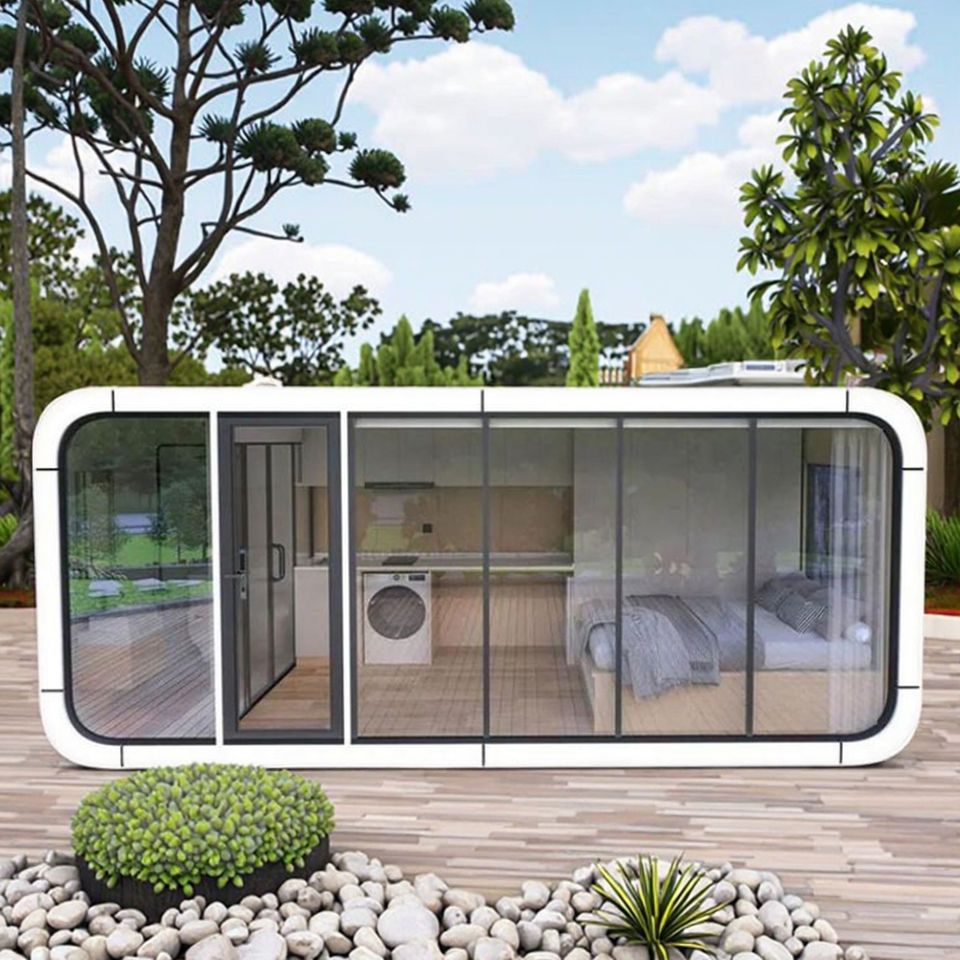
Enhancing Living Comfort and Functionality
One of the core objectives of house conversion is to optimize spatial layout to better meet the actual needs of occupants. For example, by removing non-load-bearing walls and adjusting room functional divisions, issues such as insufficient natural light and chaotic movement paths in the original floor plan can be resolved, enhancing the convenience and comfort of living. Additionally, conversions can be customized to meet the needs of specific groups, such as adding barrier-free facilities for the elderly, creating safe play spaces for children, or planning independent work areas for home office workers, thereby significantly improving the quality of life.
Promoting Efficient Resource Utilization and Environmental Protection
Converting old houses is more in line with the concept of sustainable development than constructing new buildings. On one hand, conversion can retain the original building structure, reducing construction waste and resource waste generated by demolition. On the other hand, by upgrading insulation materials, installing energy-efficient windows and doors, or solar systems, energy consumption of the house can be reduced, and carbon emissions can be decreased. For example, after adding insulation layers to the exterior walls of old houses, heating energy consumption in winter can be reduced by more than 30%, saving costs and reducing environmental burdens.
Enhancing the Economic Value of Houses
Converted houses are generally more competitive in the market. By updating interior decorations, optimizing space utilization, or adding functional facilities (such as garages and storage rooms), the assessed value of the house may significantly increase. For investors, conversion can also shorten the vacancy period of the house and attract tenants willing to pay higher rents. For homeowners, conversion is equivalent to a long-term investment in the property, potentially yielding higher returns when resold in the future.
Adapting to Changes in Social and Family Structures
With the prevalence of an aging population, smaller families, and remote work, the functional requirements of houses continue to evolve. Conversion can adapt houses to the needs of different life stages by flexibly adjusting spaces (such as converting spare bedrooms into gyms or studies) or adding age-friendly facilities. This "dynamic adaptability" extends the service life of houses and avoids the need for demolition or reconstruction due to outdated functionality.
Preserving Cultural and Historical Value
When converting buildings of historical significance, modern living facilities can be introduced internally while preserving their exterior or structural features. This "combination of old and new" approach not only protects cultural heritage but also gives it new vitality, enabling historical buildings to be continuously utilized rather than abandoned or demolished.



