
Which is Better: Guard Booth or Mobile Toilet?
It is not possible to directly compare the advantages and disadvantages of guard booths and mobile toilets, as they have different functional orientations and applicable scenarios, and the appropriate equipment needs to be selected according to specific needs.
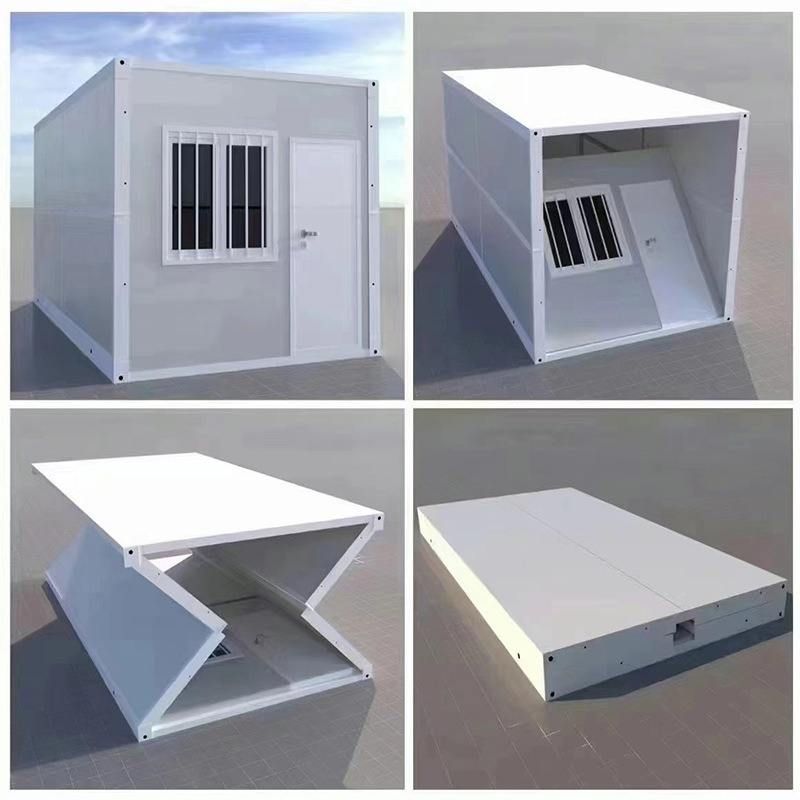
Key Points for Selecting Guard Booths and Their Applicable Scenarios
The core function of a guard booth is to provide a fixed or semi-fixed space for management, service, or duty purposes, commonly found in scenarios such as residential community security, traffic posts, and scenic spot ticket sales. When selecting a guard booth, the following aspects should be emphasized:
- Material and Workmanship: The frame structure should be made of hot-dip galvanized square steel to ensure corrosion resistance. The thickness of the steel plate directly affects the service life, and it is generally recommended to choose a steel plate with a thickness of over 1.5mm and adopt electrostatic spraying technology to enhance surface durability.
- Thermal Insulation Performance: In cold regions (such as Northeast China), it is necessary to equip with a thermal insulation layer with a thickness of over 50mm and use thermal break aluminum window frames to prevent cold bridge effects and avoid indoor temperature loss.
- Corrosion and Rust Prevention: In coastal or humid regions, enhanced corrosion protection measures should be taken, such as using stainless steel screws and galvanized steel plates to extend the equipment's lifespan.
- Functional Configuration: According to needs, equipment such as air conditioners, lighting, and monitoring systems can be installed to enhance usage comfort. In some scenarios, customization of size or shape may be required to fit the space.
Key Points for Selecting Mobile Toilets and Their Applicable Scenarios
The core function of a mobile toilet is to address the toilet needs in temporary or mobile scenarios, commonly found in places such as scenic spots, construction sites, and exhibitions. When selecting a mobile toilet, the following aspects should be emphasized:
- Material and Structure: The main body material should be lightweight and durable, such as fiberglass, stainless steel, or high-strength plastic. The bottom should adopt a hot-dip galvanized channel steel chassis and be laid with multiple layers of waterproof boards (such as PVC boards), with gaps sealed with structural adhesive to prevent water seepage.
- Waterproof Treatment: In northern regions, enhanced bottom waterproofing is required, such as adding rubber sealing strips at the contact points between the chassis and the ground to prevent structural damage caused by freeze-thaw cycles.
- Functional Flexibility: Customize configurations according to the flow of people. For example, scenic spots can choose stainless steel toilets, anti-corrosion floors, and powerful exhaust systems; construction sites can simplify configurations to reduce costs.
- Sewage Disposal Method: Choose from direct discharge, packaging, or biodegradation methods according to the scenario. For example, areas without sewer systems need to adopt packaging or biodegradation technology.
Summary
If a fixed management space (such as for security or duty purposes) is required, a guard booth is a better choice; if temporary toilet needs (such as in scenic spots or construction sites) need to be addressed, a mobile toilet is more suitable. When selecting, it is necessary to comprehensively evaluate the adaptability of materials, workmanship, and configurations based on the climate conditions, usage frequency, and functional requirements of the specific scenario.



