
Volver al blog
Artículo
Where to Place Container Houses
Admin 15 de septiembre de 2026
Container houses can be placed on compliant private homesteads, wastelands (with approval), farmland (without damaging the plow layer and without hardening the ground), and rooftops (not in areas prohibited by structural safety assessments). However, it is necessary to avoid changing land use, hardening the ground, or using them beyond the permitted period, and approval may be required for some scenarios.
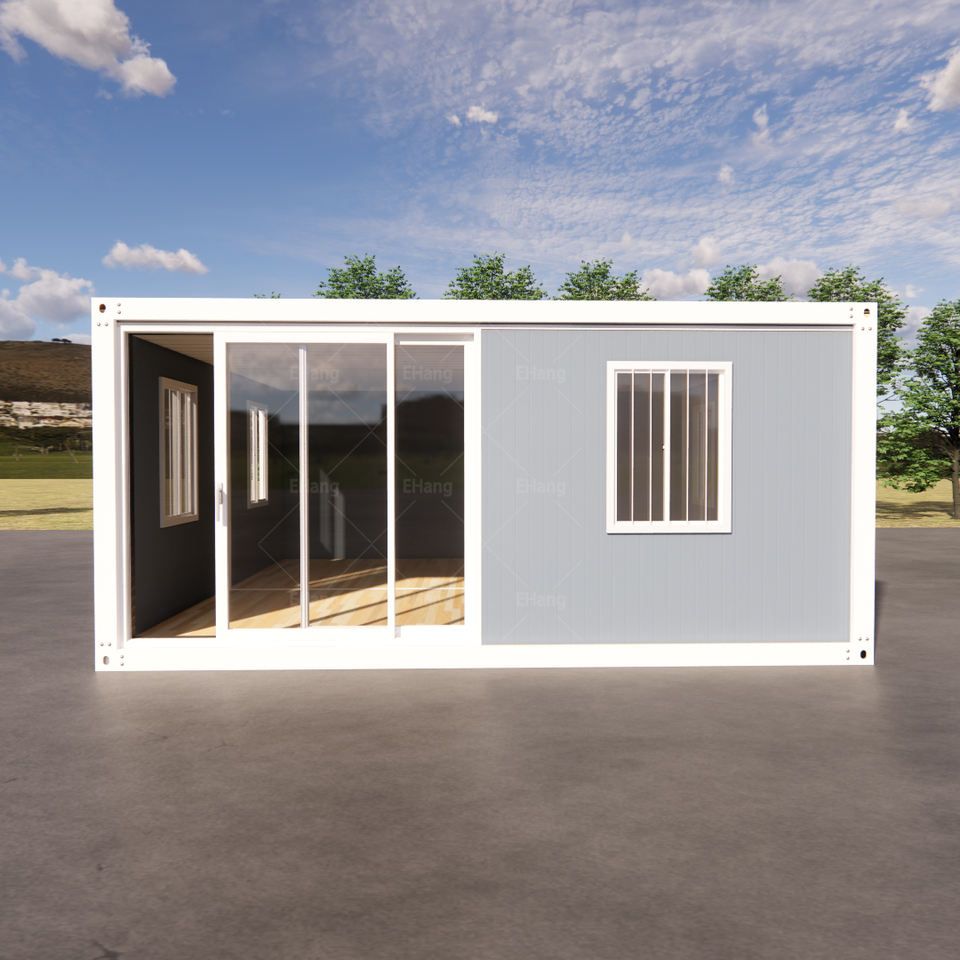
I. Legal Conditions for Placement on Farmland
The following conditions must be met for placing container houses on farmland:
- Usage Restrictions: They can only be used for temporarily storing agricultural materials and tools or as guard houses for farmland and orchards. They cannot be used for business operations or living, otherwise, they may be deemed as "substantially changing land use".
- Ground Treatment: Hardening the ground or building permanent foundations (such as concrete pouring) is prohibited, otherwise, it constitutes illegal construction.
- Land Quotas: They do not occupy land quotas and are only used as temporary containers or warehouses.
- Local Policies: They must comply with local regulations on temporary buildings, and some areas may require filing or approval.
II. Legal Conditions for Placement on Rooftops
The following conditions must be met for placing container houses on rooftops:
- Structural Safety: A professional institution must conduct a structural safety assessment of the existing building's rooftop to ensure that the load-bearing capacity meets the requirements.
- Planning Permission: According to the "Regulations on the Addition of Buildings on Existing Building Rooftops", any addition without planning permission is illegal, and a temporary construction planning permit must be applied for from the relevant department.
- Usage Restrictions: The existing building's usage nature cannot be changed, and it must be demolished within the specified period (generally not exceeding 2 years).
III. Other Legal Placement Scenarios
- Private Homesteads: When placing container houses on private rural homesteads, it is necessary to ensure that the homestead itself is legal and that the house's usage complies with homestead management regulations (such as not being used for commercial operations).
- Wasteland Placement: When placing them on unused land such as barren mountains, slopes, and abandoned ponds, it is necessary to consult and obtain permission from the land management department and not obstruct traffic or affect the rights and interests of others.
- Leased Land: When placing container houses on leased land, the usage nature (such as temporary construction) must be clearly specified in the contract, and they cannot be used as permanent residences.
IV. Key Considerations
- Approval Procedures: Even for temporary buildings, some areas still require obtaining temporary land use and temporary construction planning permits, so it is necessary to consult the local department in advance.
- Safety Standards: Container houses must meet safety requirements such as earthquake resistance, fire prevention, and ventilation, and professional institutions must be involved in the design and construction.
- Usage Period: The usage period of temporary buildings is generally not more than 2 years, and they must be demolished or reapplied for permission upon expiration.
Relacionados



