
Where Are Container Houses Needed
Container houses are suitable for a variety of scenarios, including engineering camps, cultural tourism homestays, commercial spaces, and emergency shelters.
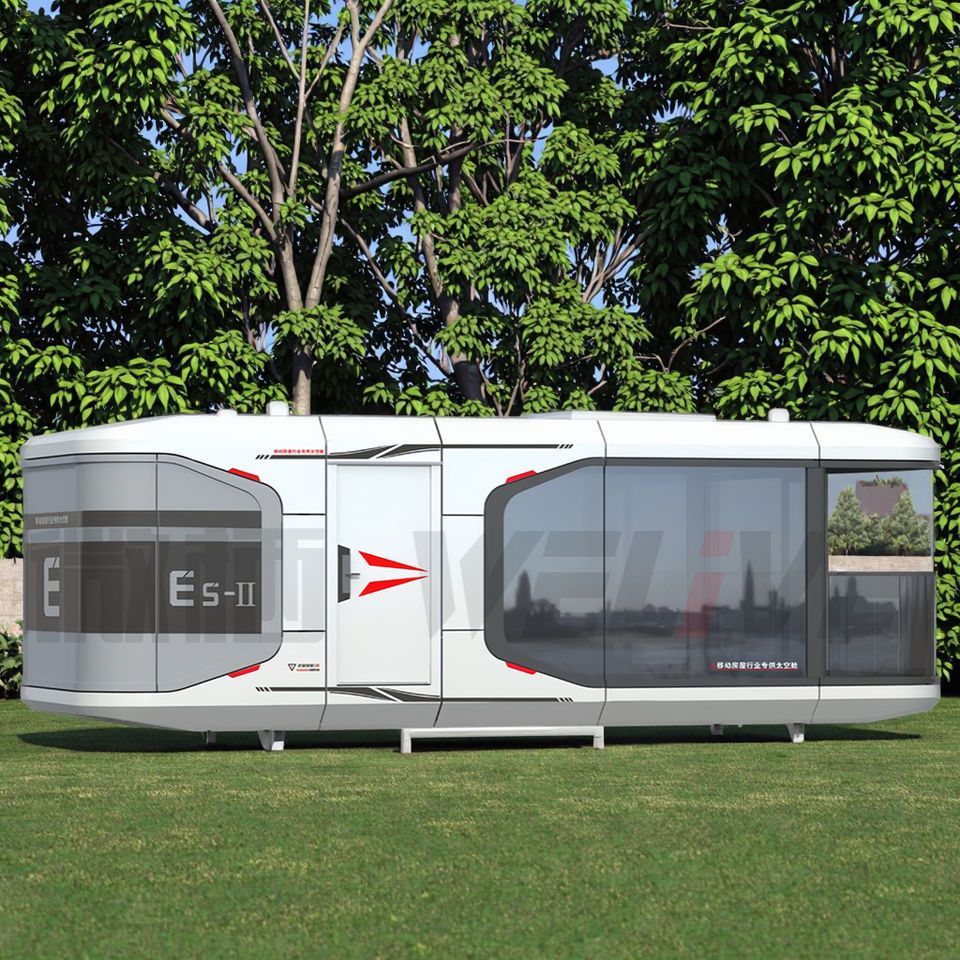
In the field of engineering camps, container houses are indispensable supporting facilities. They are widely used on construction sites as temporary dormitories, project office buildings, guard booths, material warehouses, and temporary restrooms. Container houses do not require complex civil engineering work; they can be occupied on the day of hoisting and possess fire-resistant, heat-insulating, wind-resistant, and rain-resistant properties, perfectly matching the standardized construction requirements of construction sites and significantly shortening the construction period of temporary buildings.
Cultural tourism homestays and camping bases are popular areas for the cross-border application of container houses. By customizing exterior colors, floor-to-ceiling windows, terraces, and interior decorations, container houses can be transformed into luxury homestays, camping accommodations, and reception centers, meeting the upgrading and renovation needs of scenic spots, farms, and camping sites. Their unique shapes and high photo appeal make them ideal choices for creating low-cost internet-famous check-in spots.
In terms of commercial spaces, container houses also perform excellently. Customized container houses are widely selected for commercial scenarios such as night market stalls, scenic spot sales kiosks, milk tea and coffee shops, and park service centers. They can be flexibly combined and relocated easily, with diverse decoration styles suitable for both short-term commercial activities and long-term street-side stores.
Additionally, container houses play an important role in the field of emergency shelters. Faced with scenarios such as urgent engineering needs, temporary site renovations, and emergency shelters, container houses can be quickly deployed and put into use. They also support the recycling, refurbishment, and reuse of second-hand containers, promoting energy conservation and environmental protection while significantly reducing usage costs.



