
Volver al blog
Artículo
What is the Business of Container Houses
Admin 15 de septiembre de 2026
The business of container houses involves using containers as basic structural modules, which are then modified to form residential or office building forms for commercial activities. Here is a detailed introduction:
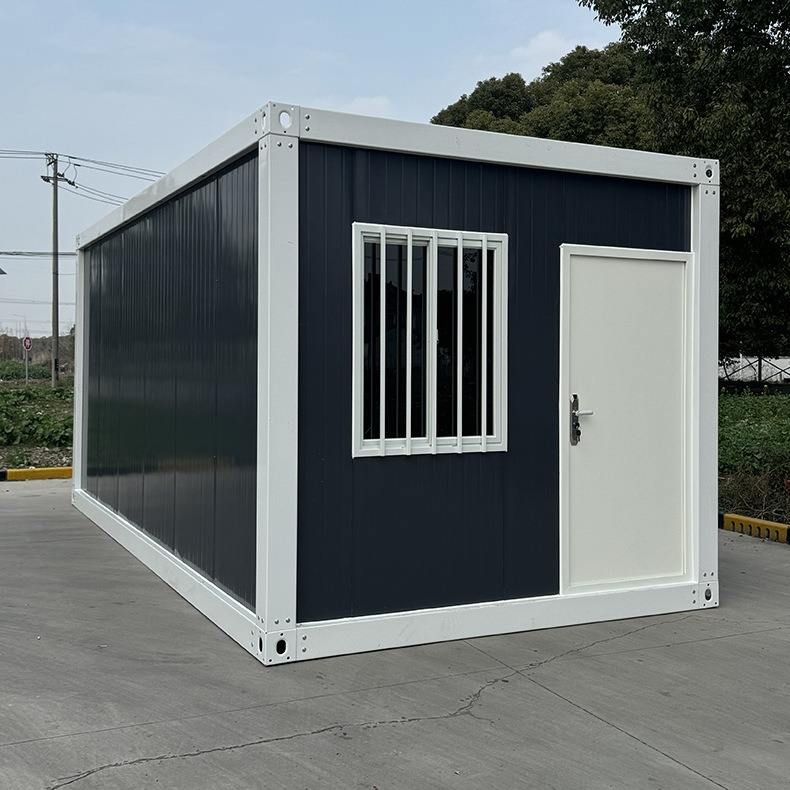
I. Business Models
- Production and Modification: Based on second-hand or brand-new containers, doors, windows, interior decoration, and water and electricity systems are modified to create houses with residential or office functions. Some companies offer customized services, designing different functional modules according to customer needs (such as hotels, schools, hospitals, etc.).
- Rental and Sales: Revenue is generated through renting or selling container houses. For example, some companies in Chongqing rent out 18-square-meter container houses at a daily rate of 6 yuan, with an annual rental volume of over 2,000 units and net profits exceeding one million yuan; the selling price of a single container house ranges from 10,000 to 15,000 yuan, with production costs around 8,000 yuan.
- Scenario Applications: Widely used in temporary dormitories on construction sites, post-disaster reconstruction, tourist resorts, creative commercial spaces (such as container bars and cafes), etc., meeting the needs for flexibility, low cost, and environmental protection.
II. Market Potential
- Global Market Size: The global container housing market reached 293.36 billion yuan in 2022 and is expected to increase to 384.912 billion yuan by 2028, with a compound annual growth rate of approximately 5%.
- Domestic Development: With the rise of industries such as tourism, homestays, and网红打卡地 (internet-famous check-in spots), the demand for container houses has grown rapidly. For example, companies like Qinghai Guangzan Light Steel have expanded into office buildings, tourist attractions, and commercial scenarios by developing aesthetically pleasing, environmentally friendly, and easy-to-install products.
- Policy and Environmental Protection Drivers: The acceleration of urbanization and the popularization of environmental protection concepts have promoted the application of container houses in temporary housing, creative spaces, and post-disaster emergency buildings.
III. Industry Challenges
- Intense Competition: The increasing number of container manufacturers domestically and abroad requires establishing competitive advantages by improving product quality, service levels, and brand reputation (such as the case of Qinghai Guangzan Light Steel).
- Compliance Risks: Individuals or companies need to go through approval processes to legally use container houses, avoiding illegal occupation of roads or operational risks.
- Cost and Profit Balance: It is necessary to control production costs (such as materials, labor, and taxes) while improving profit margins through large-scale operations.
Relacionados



