
What is a Prefabricated Panel House
A prefabricated panel house is a building constructed primarily using prefabricated panels. The following provides a detailed introduction to the definition, production, types, historical applications, and existing issues of prefabricated panels:
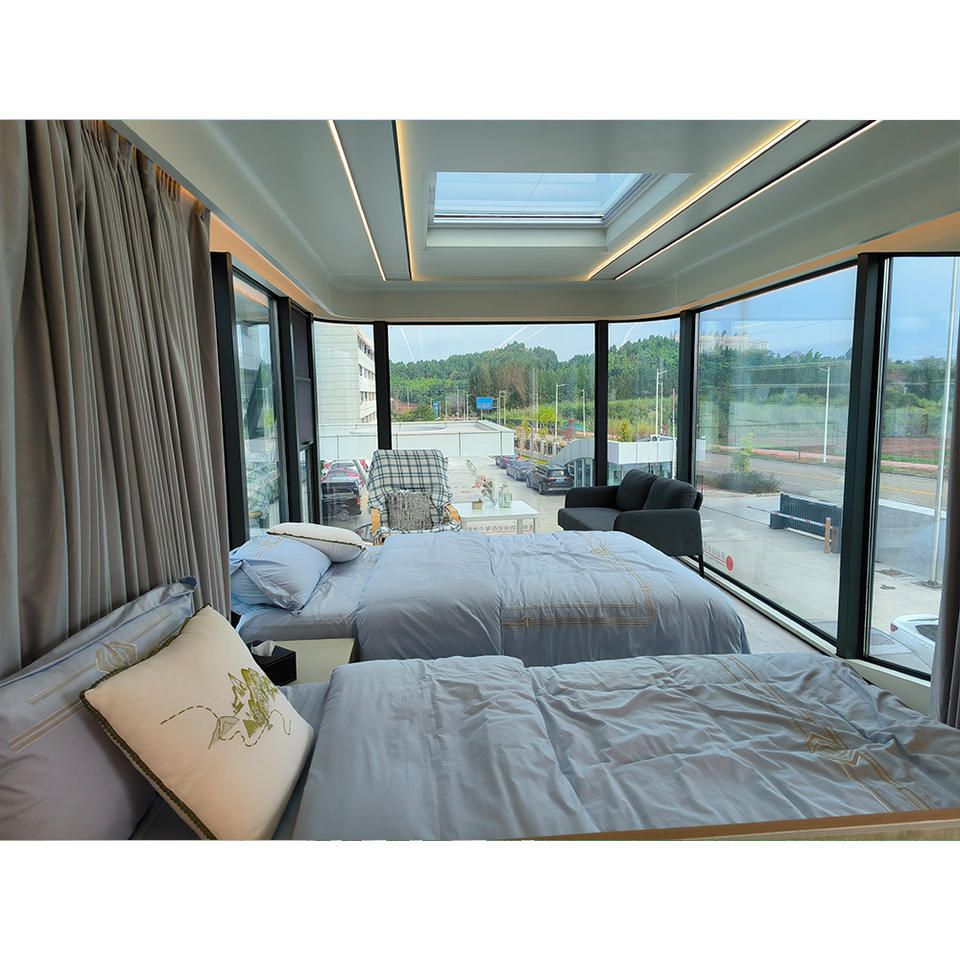
Prefabricated panels are cement components manufactured in factories. During production, wooden molds are first nailed together to determine the desired shape and dimensions. Next, steel reinforcement bars are placed inside the molds. As reinforcing materials, these bars enhance the load-bearing capacity and tensile strength of the prefabricated panels. Subsequently, cement is poured into the molds and allowed to cure for a certain period, enabling the cement to solidify and harden, ultimately forming the prefabricated panels.
Prefabricated panels come in two types: solid and hollow. Solid prefabricated panels are entirely filled with concrete, resulting in a dense structure with high strength and rigidity. They can withstand significant loads and are suitable for building components with high load-bearing requirements. Hollow prefabricated panels, on the other hand, are produced using specific processes to create cavities within the panels during manufacturing, reducing the amount of non-load-bearing concrete. This achieves lightweight construction. While maintaining a certain level of load-bearing capacity, this structure reduces the weight of the prefabricated panels themselves, facilitating transportation and installation, and also saving on material costs.
Prefabricated panels were commonly used as floor slabs in early 20th-century construction and are also modular components used in engineering projects. They are produced and processed in prefabrication yards and then directly transported to construction sites for installation. This production method allows for some components of the building to be manufactured in factories in advance, reducing the workload and time required for on-site construction and improving construction efficiency.
Prefabricated panel houses were once rapid-production housing from the 1960s to the 1990s. During that period, to meet the rapidly growing demand for housing, prefabricated panel houses were widely used due to their advantages of fast construction speed and relatively low cost. However, many prefabricated panel houses have now entered their 'senior years'. Due to the limitations of technology and material properties at the time, as well as long-term use and environmental impacts, these houses suffer from various issues, such as wall cracks, floor leakage, and decreased structural safety. Timely inspection, repair, and reinforcement are required to ensure living safety.



