
What is Prefabricated Assembled Housing
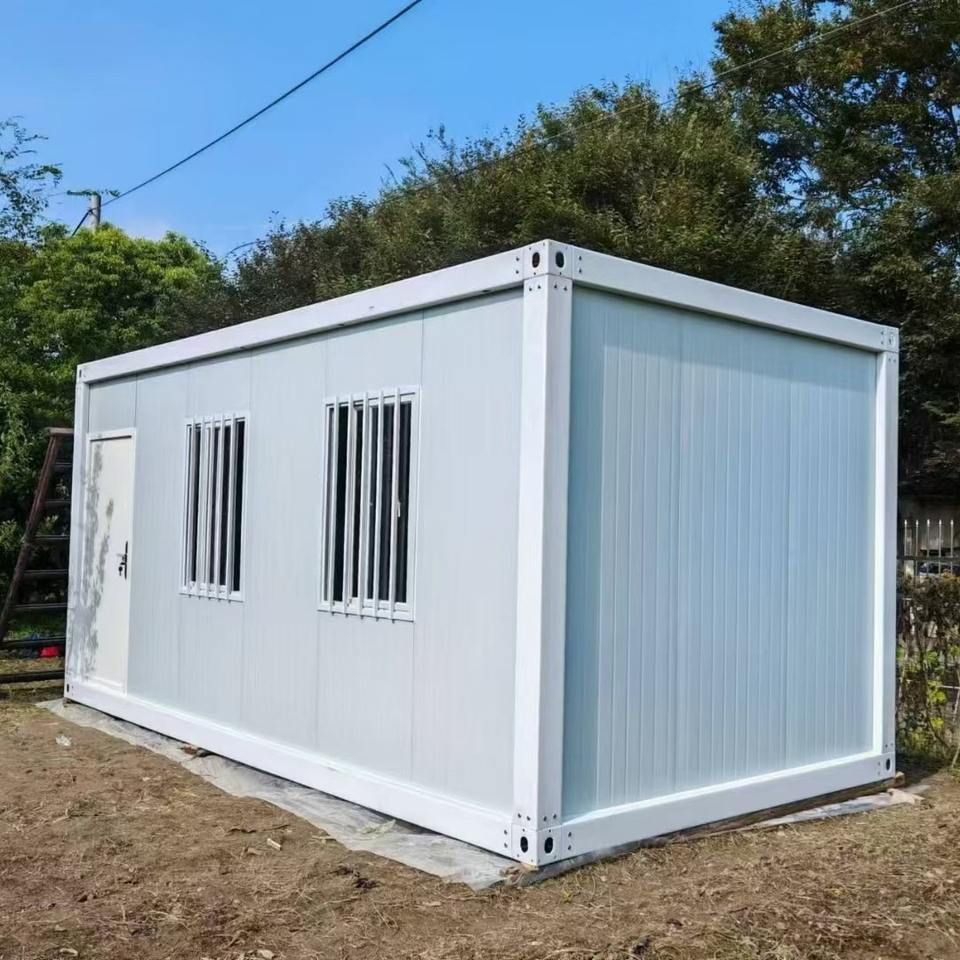
Prefabricated assembled housing, also known as prefabricated modular construction, refers to a building form where building components are industrially produced and assembled on-site. The following provides a detailed introduction from the aspects of definition, component production, assembly methods, main types, and production characteristics:
Definition and Basic Concepts
The core of prefabricated assembled housing lies in the combination of 'industrial production' and 'on-site assembly'. Its building components (such as walls, beams, and floor slabs) are prefabricated in advance in factories and then transported to the construction site, where they are quickly assembled into a complete building through reliable connection methods. This model breaks through the limitations of traditional construction that relies on on-site wet operations, achieving standardization and streamlining of building production.
Component Production and Transportation
In factories, standardized molds and automated equipment are used to produce components, ensuring dimensional accuracy and quality stability. For example, prefabricated concrete components are completed through processes such as steel bar binding, concrete pouring, and steam curing; steel structure components are formed into a whole through welding or bolt connections. After production, components are transported to the site using flatbed trucks and other transportation tools, and protective measures are taken during transportation to avoid damage.
On-site Assembly Methods
The assembly process is similar to 'building blocks', but it must strictly follow design specifications. Small components (such as wall panels and floor slabs) are positioned using lifting equipment and then fixed using methods such as bolt connections, welding, or grout sleeves; large modules (such as integrated bathrooms and kitchens) can even achieve 'plug-and-play' functionality, requiring only the connection of water and electricity pipelines to be put into use. During assembly, tools such as laser positioning instruments are used to ensure accuracy, and quality acceptance is carried out by professional teams.
Main Structural Types
- Prefabricated Modular Concrete Structures: Mainly composed of concrete components, suitable for multi-story residential buildings, schools, and other structures, with good fire resistance and relatively low cost.
- Steel Structures: Using steel beams and columns as components, they are lightweight and have fast construction speeds, commonly used in high-rise buildings and large-span factories.
- Modern Wood Structures: Using engineered wood products (such as glulam and cross-laminated timber), they have outstanding environmental performance and are mostly used in low-rise villas or landscape buildings.
Characteristics of Modern Industrial Production
This model integrates five major features: standardized design, factory-based production, modular construction, information-based management, and intelligent applications. Through BIM technology, design is optimized to reduce on-site errors; factory-based production reduces material waste; modular construction shortens the construction period (30%-50% shorter than traditional methods); information-based management enables full-process traceability; and intelligent applications (such as sensor monitoring) enhance building safety and durability.



