
What Counts as Container House Construction
Container house construction refers to the architectural form that uses containers as the basic structural modules and is transformed for habitation or office use. Here is a detailed introduction:
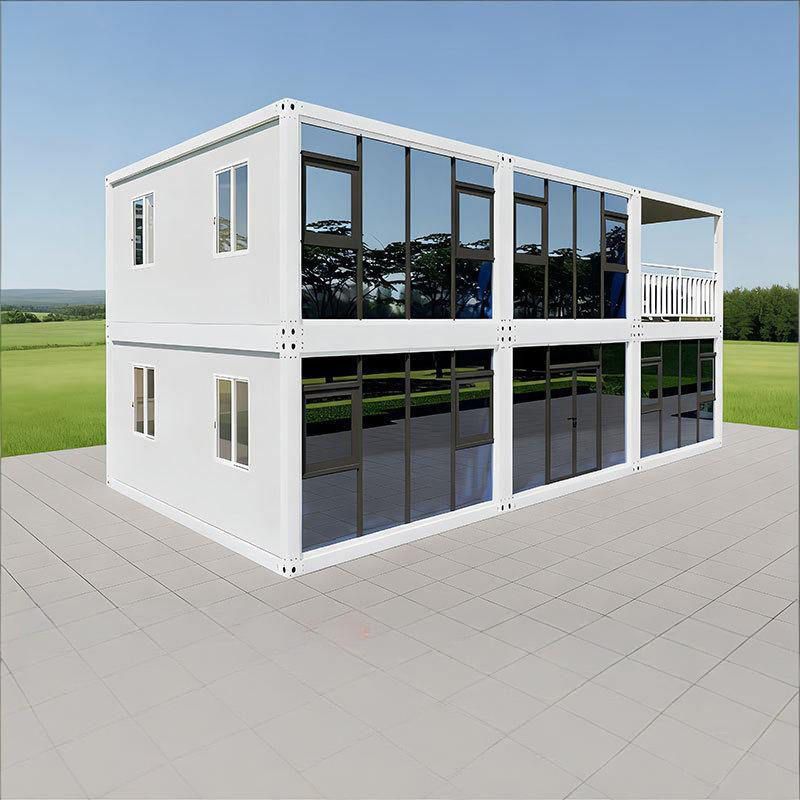
Transformation Methods:
There are two primary methods for transforming container houses. One involves directly modifying existing shipping containers. This approach utilizes pre-existing shipping containers, which are equipped with doors and windows and undergo interior renovations to make them suitable for living or working. The other method involves designing and constructing container-sized structures in factories. This process includes creating the roof and floor according to container dimensions, connecting them with high-load-bearing columns to form a frame, and finally assembling the walls using color-steel sandwich panels. This transformation method offers greater flexibility, allowing for customized design and construction based on specific needs.
Attribute Changes:
Containers are not traditionally considered buildings; they are standardized containers designed for cargo transportation. However, when containers are transformed to possess residential attributes, such as the installation of doors and windows, interior renovations, and being fixed in a specific location for living, storage, or other activities, their nature changes, and they can be regarded as buildings. This transformation is reflected not only in their functionality but also in their legal status and usage.
Legal Recognition:
If a container house possesses residential attributes and is fixed in a specific location, it can be considered a temporary building. According to the Urban and Rural Planning Law of the People's Republic of China, construction projects, including buildings and structures, within urban and town planning areas require a construction project planning permit. Temporary constructions also need approval from the urban and county people's government's urban and rural planning authorities. Early container house construction techniques were rudimentary, often involving direct modifications of shipping containers, which made it difficult to meet national building codes. Most of these were temporary structures used for on-site accommodation, offices, or exhibition halls. Over time, container house construction techniques have matured, and their widespread adoption is attributed to their ease of assembly, cost-effectiveness, and comfortable interior environments.



