
Wenzhou Integral Mobile Toilet
The Wenzhou integral mobile toilet is a movable temporary sanitation solution that takes modular technology as its core, integrating sanitation facilities, sewage systems, and functional accessories. The following describes its technical implementation, application characteristics, and service processes:
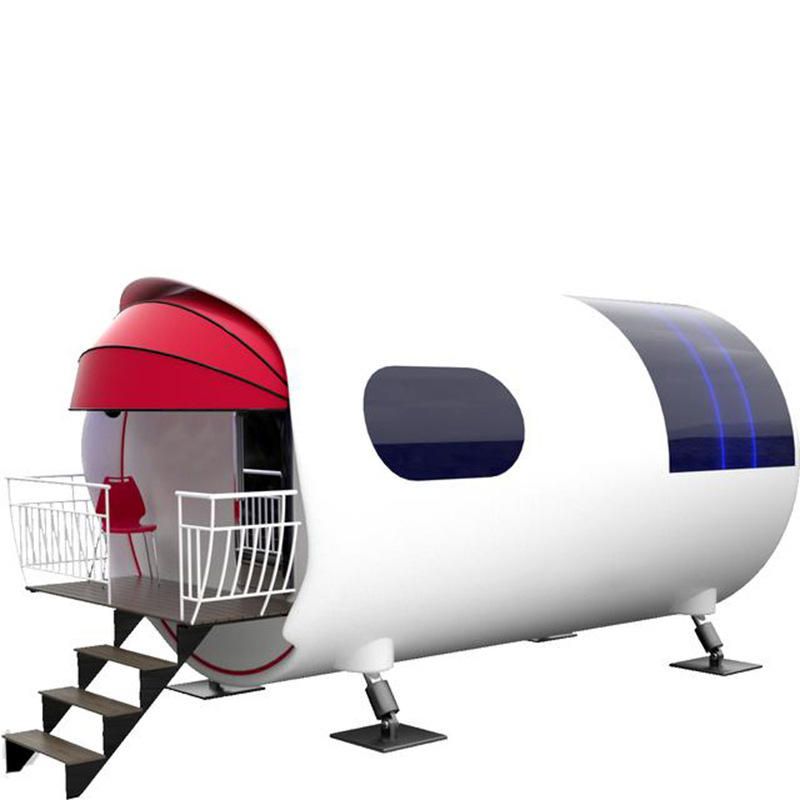
Technical Implementation and Composition
The integral mobile toilet adopts modular manufacturing technology, breaking down traditional sanitation facilities into standardized units, including the box structure, sewage system, and functional accessories. The box structure is mostly made of metal or composite materials, featuring modularity, lightweight yet high strength, wind and rain resistance, and thermal insulation, facilitating easy disassembly and transportation. The sewage system is divided into three types: water-flush, vacuum, and biodegradable. The water-flush type relies on water flow to flush and store waste in a sewage tank; the vacuum type uses air pressure differences to suction waste; the biodegradable type decomposes solid waste through microorganisms or chemical agents. Some models are also equipped with small-scale sewage treatment equipment to achieve wastewater purification or safe temporary storage. The functional accessories cover auxiliary facilities such as ventilation, lighting, and handwashing, as well as environmental maintenance systems (e.g., forced ventilation, temperature regulation devices) and auxiliary service interfaces (e.g., barrier-free access, maternal and infant care stations), directly affecting the user experience.
Application Characteristics and Scenarios
Its core advantages lie in rapid deployment and strong adaptability. Modular design allows most of the toilet assembly to be completed in the factory, with only site leveling and basic interface connections required on-site for immediate use, significantly shortening installation time. It can also adapt to complex terrains such as tidal flats and mountains, meeting the short-term or mobile needs of commercial exhibitions, construction projects, cultural and tourism activities in the Wenzhou area. Rental scenario configurations need to match usage requirements: For short-term outdoor events (e.g., markets, festivals), lightweight biodegradable toilets can be selected to reduce water supply dependence; for construction sites or long-term projects, water-flush or vacuum toilets equipped with large-capacity sewage storage devices are suitable, and the number of toilet units and cleaning frequency need to be calculated based on peak foot traffic.
Maintenance Management and Environmental Adaptability
In the maintenance process, focus should be placed on cleaning, disinfection, and waste disposal: The cleaning frequency should be adjusted according to usage intensity; disinfectants should balance corrosiveness and environmental safety; waste disposal must comply with local sanitation regulations to ensure sealed transportation and legal disposal. In terms of environmental adaptability, the humid and rainy climate in Wenzhou requires anti-rust and moisture-proof treatment for metal components (e.g., coating processes). During the summer typhoon season, reinforcement measures are needed, and for the high-salt coastal air, regular inspection of seals and connections is required to prevent component corrosion.



