
Image of Welding Frame as Mobile Toilet
Currently, it is not possible to directly provide specific images of 'welding frames used as mobile toilets', but a popular science introduction can be made based on the common welded frame structures of mobile toilets.
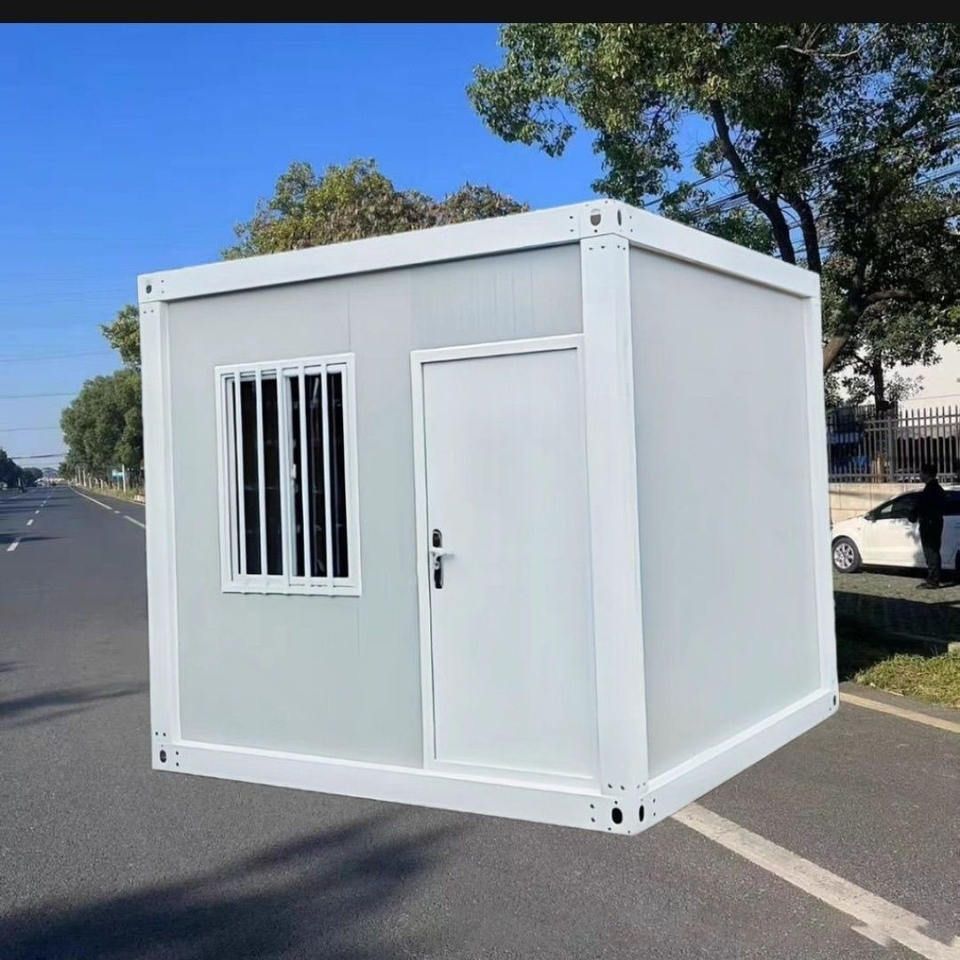
The main frame of a mobile toilet is typically welded from steel materials to ensure structural stability and durability. Common welding materials include galvanized steel pipes, galvanized steel, square steel, channel steel, and I-beams, among others. After welding, these steel materials form a sturdy frame that supports the entire structure of the mobile toilet.
Taking metal carved panel toilets as an example, their main structures are mostly welded from galvanized steel pipes. Galvanized steel pipes offer good corrosion resistance and strength, enabling them to withstand external environmental erosion and ensuring the long-term use of the toilet. During the welding process, craftsmen precisely cut, bend, and weld the galvanized steel pipes according to design drawings to form the toilet's skeleton. This skeleton not only supports the toilet's walls and roof but also carries internal facilities such as toilets and sinks.
The steel-structured mobile toilets in Xingtai and the steel-structured simple toilets in Maoming also adopt similar welding processes. Their main frames are typically welded from galvanized steel or square steel, while the bottoms are reinforced with channel steel or I-beams to enhance overall stability and load-bearing capacity. Square steel is used for the columns, ensuring structural strength while facilitating installation and disassembly.
Although it is not possible to directly display images of 'welding frames used as mobile toilets', one can imagine that a frame welded from steel materials, through careful design and construction, can transform into a fully functional and structurally sound mobile toilet. These welded frames not only provide necessary support for the toilet but also, through reasonable layout and design, maximize the utilization of internal space, meeting people's usage needs.



