
Weishi Mobile Toilet Treatment
The treatment methods for Weishi mobile toilets mainly include chemical treatment, anaerobic digestion, compression and storage, equipped with multi-functional sewage outlets, mechanical treatment, as well as flush and non-flush suction treatment methods.
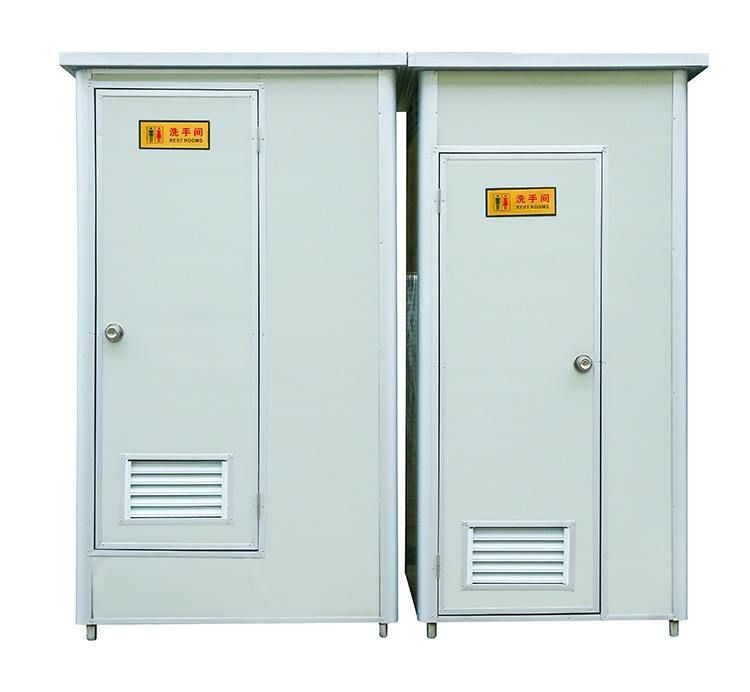
Chemical treatment: Chemical treatment is a commonly used method in Weishi mobile toilets. It involves the use of specific chemical agents to decompose and eliminate excreta. These agents can effectively control odors and promote the decomposition process of excreta. The decomposed substances can be further treated through specialized equipment or directly flow into the sewage system for centralized treatment. This method offers high treatment efficiency and effectively reduces odors, enhancing the user experience.
Anaerobic digestion: Anaerobic digestion is a method that utilizes microorganisms to decompose and digest excreta in an oxygen-free environment. During this process, microorganisms break down excreta into biogas and fertilizer, reducing the volume of excreta and generating reusable resources. Biogas can be used as an energy source, while fertilizer can be applied to agricultural cultivation, achieving resource recycling.
Compression and storage: For situations where the mobile toilet needs to be away from treatment facilities for an extended period, Weishi mobile toilets can adopt compression and storage methods for excreta treatment. By using compression equipment to reduce the volume of excreta, the demand for immediate treatment is delayed, providing convenience for subsequent centralized treatment.
Equipped with multi-functional sewage outlets: Some Weishi mobile toilets are equipped with multi-functional sewage outlets such as fecal storage tanks or pre-buried septic tanks. These facilities require regular manual cleaning, and the collected feces are treated centrally to ensure the normal operation of the toilet and environmental hygiene and safety.
Mechanical treatment: Mechanical treatment involves the use of specialized equipment for solid-liquid separation, decomposition, and disinfection of excreta. This method significantly reduces the environmental impact of excreta and ensures post-treatment hygiene and safety, making it suitable for occasions with high hygiene requirements.
Flush and non-flush suction treatment: Flush mobile toilets use water flow to flush excreta into the sewage system, but may require a high frequency of suction. The circulating flush type, on the other hand, accelerates fermentation and decomposition through anaerobic treatment and biological bacteria, reducing the number of suction operations and being more environmentally friendly and energy-efficient. The non-flush suction type directly sucks away excreta using suction equipment, making it suitable for areas with scarce water resources.



