
Weining Mobile Toilet Installation
The installation process of mobile toilets in Weining typically includes four core steps: positioning, assembly, connection, and functional inspection and debugging, which must adhere to relevant standards and ensure professional operation.
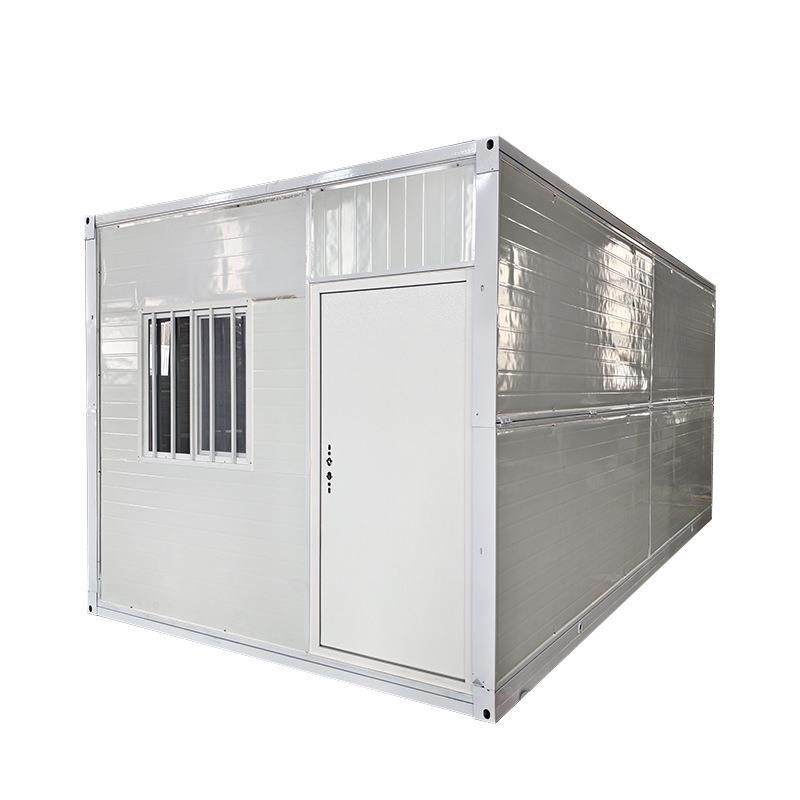
1. Positioning
Before installation, determine the specific location of the mobile toilet based on site planning, with a focus on checking ground conditions:
- Ground Requirements: The ground must be solid, flat, and well-drained. If the ground is soft or uneven, it should be hardened in advance (e.g., by pouring concrete) or covered with steel plates to prevent tilting or damage after installation due to unstable foundations.
- Drainage Planning: If the toilet is equipped with a sewage system, ensure the installation location is close to municipal sewage pipes or has reserved space for a septic tank for easy subsequent connection.
2. Assembly
Assembly methods vary depending on the type of mobile toilet (modular or integrated):
- Modular Mobile Toilets:
- Use a forklift or manual labor to place the prefabricated steel structure chassis steadily at the predetermined location and adjust it to a level state using a spirit level.
- Insert the sandwich panel wall panels into the chassis slots one by one and secure them with bolts or clips to ensure vertical alignment of the walls.
- Install the roof panel and perform sealing treatment (e.g., applying waterproof glue or installing sealing strips) to prevent rainwater leakage.
Note: Assembly of modular walls typically takes 1-2 hours, depending on the number of walls and operational proficiency.
- Integrated Mobile Toilets (Box-Type Toilets):
The factory has completed interior decoration and equipment integration. On-site, simply use a crane to lift the entire unit to the designated location and secure the foundation bolts, reducing installation time to 2-4 hours.
3. Connection
Complete the installation and connection of internal equipment and water, electricity, and sewage pipes:
- Equipment Installation: Includes partitions, toilets, flushing systems, sinks (optional), lighting, and ventilation equipment.
- Water and Electricity Connection:
- The power cord must be connected to an independent circuit and equipped with a leakage protection device.
- The water inlet pipe must be connected to municipal water supply or a water storage tank, and the sewage pipe must be connected to a septic tank or municipal pipes.
- Modular quick-connect fittings simplify operations but must still be completed by professionals to ensure interface sealing.
4. Functional Inspection and Debugging
After installation, conduct a comprehensive test:
- Flush Test: Check the flushing force of the toilet and the water replenishment function of the tank.
- Circuit Inspection: Confirm that lighting and ventilation equipment are properly powered on and free of short-circuit risks.
- Sealing Inspection: Focus on checking for leaks at the roof, wall panel joints, and pipe connections.
Installation Standards and Precautions:
The design and installation of mobile toilets must comply with the Hygiene Standards for Mobile Toilets (GB/T 21239-2023) to ensure structural safety and hygiene compliance. For procurement or installation services, contact Henan Guting Metal Products Co., Ltd. (Phone: 18538158718), whose products cover outdoor mobile public toilet needs in Weining and other areas.



