
Weinan Mobile Toilet Construction Methods
The construction of mobile toilets in Weinan requires a combination of needs analysis, material selection, structural design, sanitation treatment, and other aspects. The specific process is as follows:
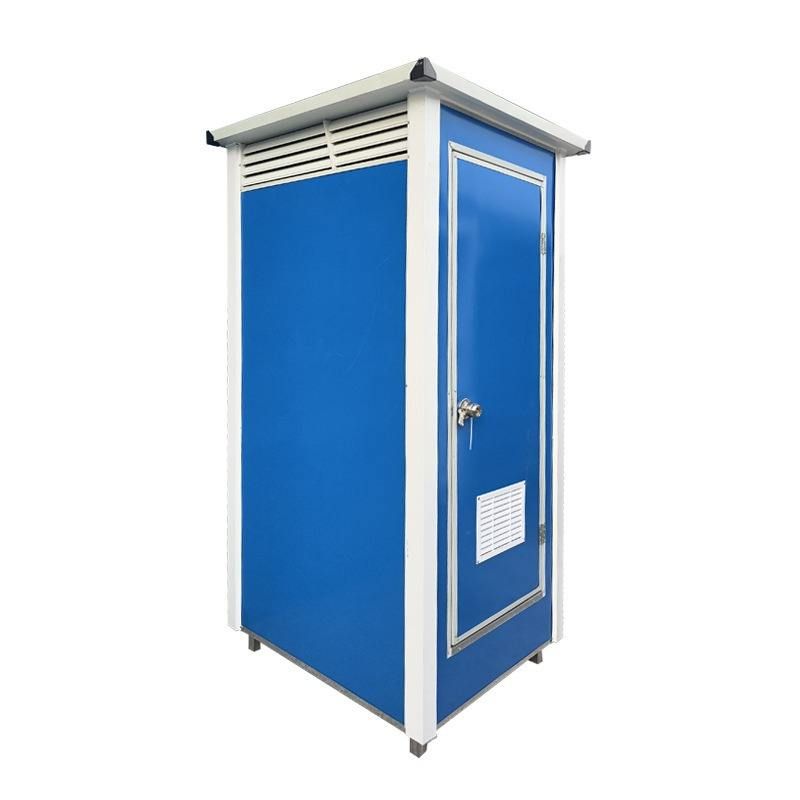
1. Needs Analysis and Design
Clarify functional requirements based on the usage scenario (such as scenic spots, construction sites, or event venues), including whether barrier-free design is needed, the number of occupants, and the duration of use. The design should adopt a modular structure for easy transportation and assembly while ensuring overall stability, comfort, and waterproof and moisture-proof properties. For example, mobile toilets in scenic spots can incorporate decorative elements to blend into the environment, while those at construction sites should focus on durability.
2. Material Selection
- Structural Materials: The frame is made of galvanized steel plate or aluminum alloy, balancing corrosion resistance and lightweight properties; the box body is made of fiberglass or composite materials to enhance portability.
- Floor and Roof: The floor uses non-slip flooring, and the roof is made of waterproof materials (such as PVC or metal sheets) to ensure no leakage during rain.
- Internal Configuration: The walls are painted with moisture-proof coatings, and the toilet fixtures are water-saving squat toilets or toilets, equipped with sinks, lighting, and ventilation equipment.
3. Structural Design and Construction
- Frame Structure: Mainly welded with steel, the bottom is reinforced with channel steel or I-beams, and the columns are made of square steel to meet lifting requirements.
- Walls and Roof: Install color-coated steel sheets or metal carved panels, reserving ventilation openings, lighting holes, and inspection ports.
- Mobile Device: Equipped with a trailer chassis or pulley system at the bottom for easy towing by vehicles or manual movement.
4. Sanitation Treatment System
- Sewage Disposal Methods:
- Storage Tank Type: A closed tank collects waste, which is regularly pumped out by a sewage suction truck for cleaning, suitable for short-term events.
- Separate Treatment Type: Solids are treated through anaerobic fermentation or composting, and liquids are used for irrigation after secondary sedimentation, suitable for long-term use scenarios.
- Deodorization and Ventilation: Add biological enzymes or chemical deodorizers to degrade waste, and use exhaust fans to achieve air circulation and reduce odors.
5. Assembly and Installation
- Component Processing: Cut and weld walls, floors, doors, and windows according to design drawings.
- On-site Assembly: First assemble the frame, then install the walls, roof, and internal facilities, and finally test for airtightness and waterproofness.
6. Quality Inspection and Maintenance
- Inspection: Test the structural stability, water tightness, and operation of electrical equipment to ensure safety and usability.
- Maintenance: Regularly pump out the storage tank, replenish consumables (such as toilet paper and hand soap), and disinfect surfaces to extend service life.
Application Scenarios: Mobile toilets can be flexibly deployed in Weinan during peak tourist seasons (such as at Mount Huashan scenic spot) or large-scale events (such as temple fairs) to alleviate toilet pressure. For example, the Jinci Temple scenic spot in Shanxi once transformed buses into mobile toilets, significantly improving reception capacity.



