
Weihai Prefabricated Houses
Weihai prefabricated houses mainly include two categories: prefabricated warehouse houses and prefabricated integrated houses. They are characterized by adaptability to coastal climates, efficient construction, and environmental protection and energy conservation, with strong technical capabilities among related enterprises.
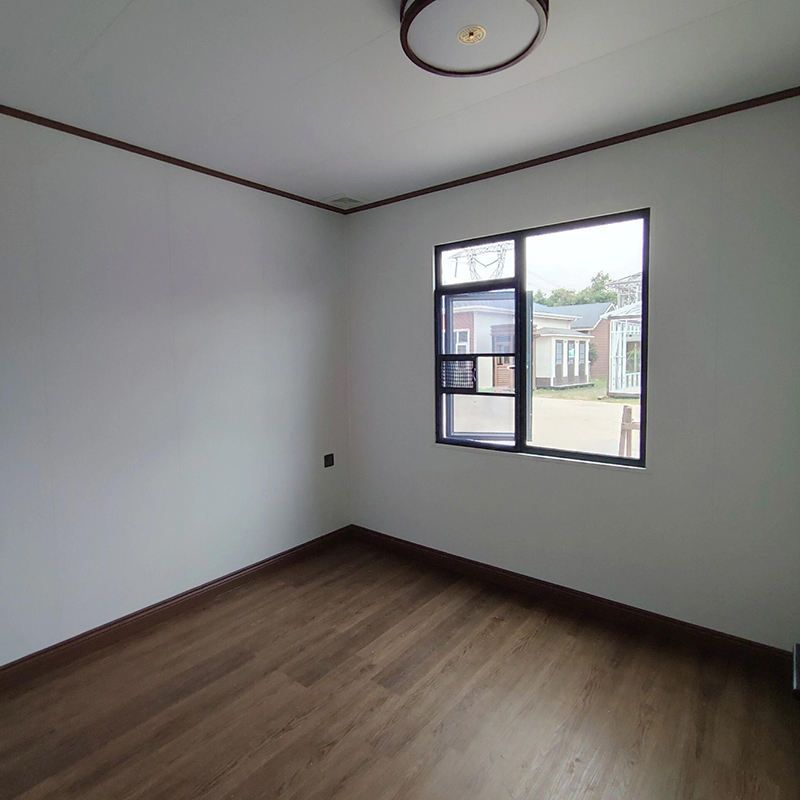
Prefabricated Warehouse Houses
Weihai's humid climate and strong sea breezes impose high requirements for anti-corrosion and structural stability in warehouse buildings, leading to the emergence of prefabricated warehouse houses. These houses adopt standardized designs and factory-produced steel or light steel structure modular buildings, which are quickly assembled on-site. Advantages: Lightweight, short construction periods, good seismic performance, and reusability for disassembly and reassembly. They effectively cope with high salt-spray corrosion environments, enhancing durability through galvanizing and spraying processes to meet long-term stable usage needs. Technical Features: High-strength steel and modular connection technologies are widely used. Wall and roof systems integrate insulation, waterproofing, and fireproofing functions, with some high-end products equipped with intelligent ventilation and temperature and humidity monitoring systems. Structural designs fully consider local wind and snow loads to ensure safety during extreme weather conditions. Factory prefabrication rates exceed 80%, significantly reducing on-site wet work and minimizing the impact of construction on the surrounding environment, aligning with green construction trends.
Prefabricated Integrated Houses
Weihai's pleasant climate but strong sea breezes necessitate high requirements for wind and corrosion resistance in buildings, leading to the development of prefabricated integrated houses. These houses are widely used in tourist resorts, temporary office, and residential projects, with advantages including short construction periods, controllable quality, and environmental protection and energy conservation. Structural Systems: Mostly adopt light steel structures or modular container designs, with integrated production of exterior walls and insulation layers to effectively resist sea breeze erosion and humid environments, meeting durability requirements under local special climatic conditions. Technical Aspect: BIM technology is widely used for design optimization, enabling precise prefabrication and rapid assembly of components. Automated production lines in factories manage processes from steel cutting and welding to spraying and assembly, ensuring product consistency. Additionally, integrated houses offer good seismic and thermal performance, with some projects incorporating solar photovoltaic systems to enhance energy self-sufficiency, aligning with green building trends.
Related Enterprises
Weihai is home to enterprises such as Shandong 501 Intelligent Equipment Manufacturing Co., Ltd., a steel structure manufacturing enterprise located in the Weihai Economic and Technological Development Zone, a leading integrated house manufacturing enterprise in Weihai, and Weihai Fangyu Integrated House Co., Ltd. These enterprises possess strong technical capabilities in the field of prefabricated houses, with their products widely applied across multiple sectors.



