
Designing Houses from Waste Containers
Designing houses from waste containers is an innovative and sustainable construction approach, but it requires comprehensive consideration of structural safety, functional layout, environmental adaptability, and compliance with regulations.
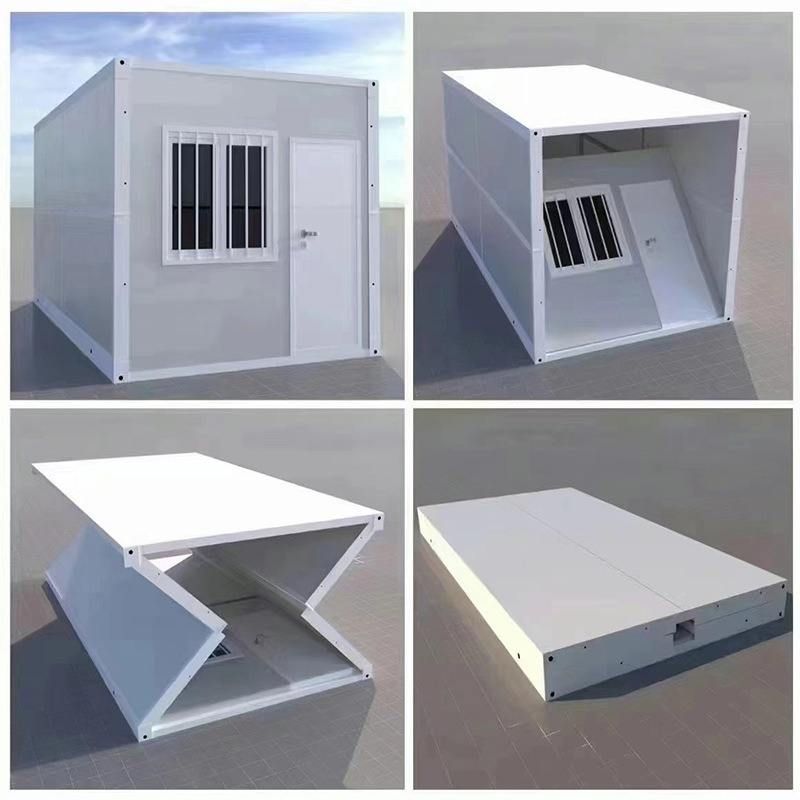
In terms of structural design, the traditional container's bottom frame has large longitudinal beam spacing, resulting in insufficient floor stiffness for direct habitation. By adding C-shaped steel purlins between the bottom beams, the load can be evenly distributed to each main beam, maintaining structural stability even when stacking up to three containers. Additionally, shot blasting the container surface to remove rust and then applying protective paint can extend the lifespan of the steel.
Regarding functional layout, the interior space of container houses is limited and requires careful planning. For example, adopting an open-plan design and using foldable furniture can enhance space flexibility. Installing recessed storage partitions to separate functional areas increases storage capacity. Designing equipment storage areas beneath bedroom beds maximizes space utilization. Furthermore, outdoor spaces such as terraces and decks can be added based on needs to enhance the living experience.
In terms of environmental adaptability, to address the thermal bridge effect of metal container walls, a thermal break lining structure can be employed. This involves filling hard polyurethane foam between the steel frame and interior wall panels and adding rubber insulation pads to reduce heat exchange efficiency. Additionally, installing solar collectors for electricity and heat generation and setting up rainwater harvesting systems to address domestic water needs can improve the house's self-sufficiency.
Regarding compliance, it is important to note that converting containers into houses without permission may involve illegal construction issues. When designing container houses, it is essential to ensure compliance with local urban and rural planning regulations, obtain necessary construction permits or filings, and avoid encroaching on public land or creating safety hazards.



