
Vehicle-Pulled 3x6 Container House
Transporting a 3x6 container house typically requires specialized vehicles, with the specific transportation plan depending on the type of house and logistics requirements.
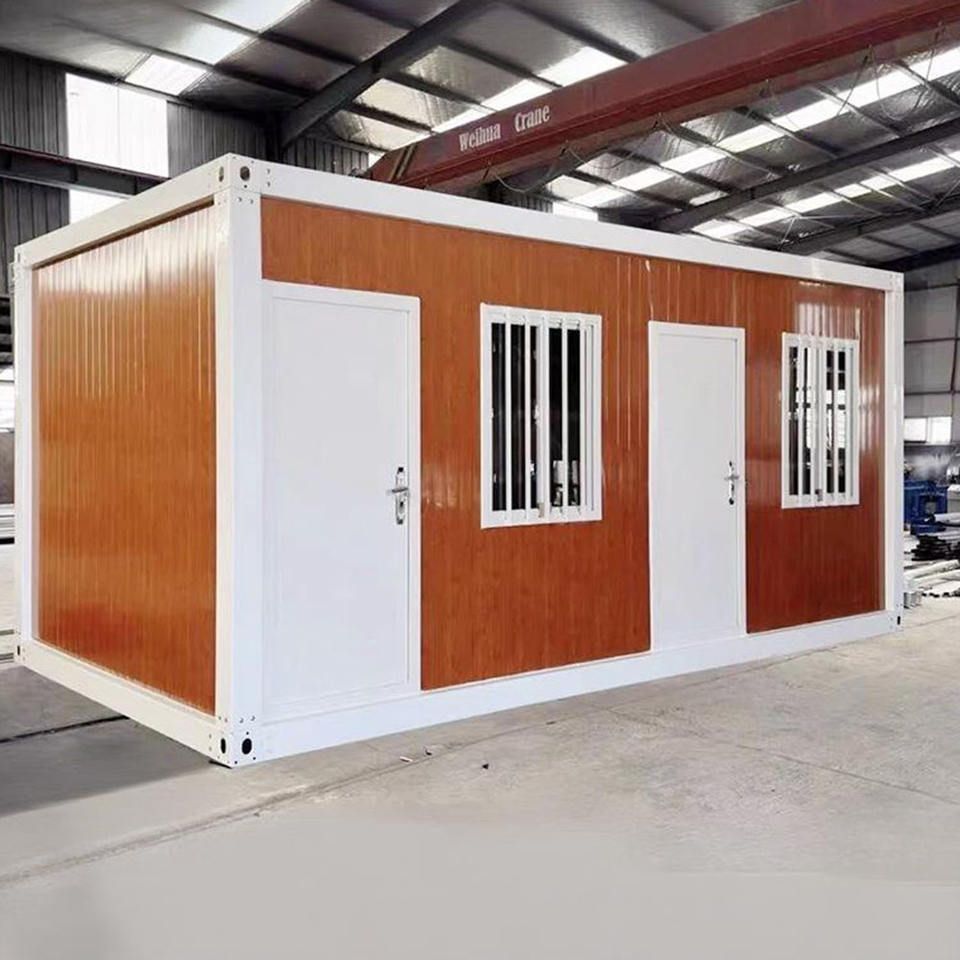
I. Selection of Transportation Vehicles When transporting a 3x6-meter container house, specialized vehicles that match the container's dimensions and weight must be selected. Common vehicle types include skeletal semi-trailers and flatbed semi-trailers:
- Skeletal Semi-Trailer: Designed specifically for containers, it secures the container using corner fittings and locks, ensuring transportation stability. Its wheelbase and load-bearing capacity must be chosen based on the total weight of the container (including the house structure, finishing materials, etc.) to avoid overloading risks.
- Flatbed Semi-Trailer: Suitable for assembled houses without specialized corner fittings, it requires auxiliary tools such as straps and supports to secure the house structure, preventing shifting or overturning during transportation.
II. House Types and Transportation Plans The transportation plan for a 3x6-meter container house varies depending on its structural differences:
- Practical Single-Room Houses: For example, an 18-square-meter one-bedroom, one-bathroom unit typically adopts a standard container structure, allowing three units to be transported simultaneously on one vehicle. These houses are relatively light (approximately 2-3 tons per unit), and a regular skeletal semi-trailer can meet the requirements, offering high transportation efficiency.
- Assembled Multi-Room Houses: For instance, a new type of mobile house with three bedrooms, a living room, and a bathroom may adopt a split design or non-standard structure. Such houses need to be disassembled into modules for transportation or transported as a whole structure using a flatbed semi-trailer. The logistics cycle is longer (e.g., 15 days for delivery), and it is necessary to negotiate transportation routes, loading and unloading methods, and other details with the seller in advance.
III. Transportation Precautions
- Compliance: Before transportation, confirm vehicle qualifications (such as oversized transport permits) and route restrictions (such as bridge and tunnel heights) to avoid illegal driving.
- Securing Measures: Regardless of the vehicle type used, the house must be secured with professional tools to prevent structural damage caused by bumps during transportation.
- Insurance Coverage: It is recommended to purchase transportation insurance for high-value houses to reduce the risk of losses caused by accidents (such as collisions or rollovers).
IV. Key Points for Logistics Negotiation If the house has a non-standard design or requires cross-regional transportation, clarify the following with the seller:
- Transportation costs (including loading and unloading fees, tolls, etc.);
- Delivery time and delay compensation terms;
- Division of loading and unloading responsibilities (e.g., whether the buyer needs to arrange lifting equipment independently).



