
Volver al blog
Artículo
Vehicle-mounted Mobile House Container
Admin 16 de septiembre de 2026
Vehicle-mounted mobile house containers generally refer to movable, modular container-style buildings suitable for vehicle transportation or as temporary living or office spaces. They are characterized by portability and reusability, with common types including foldable containers, quick-assembly containers, and customized mobile houses. The following provides an introduction from the perspectives of performance, application scenarios, and purchasing considerations:
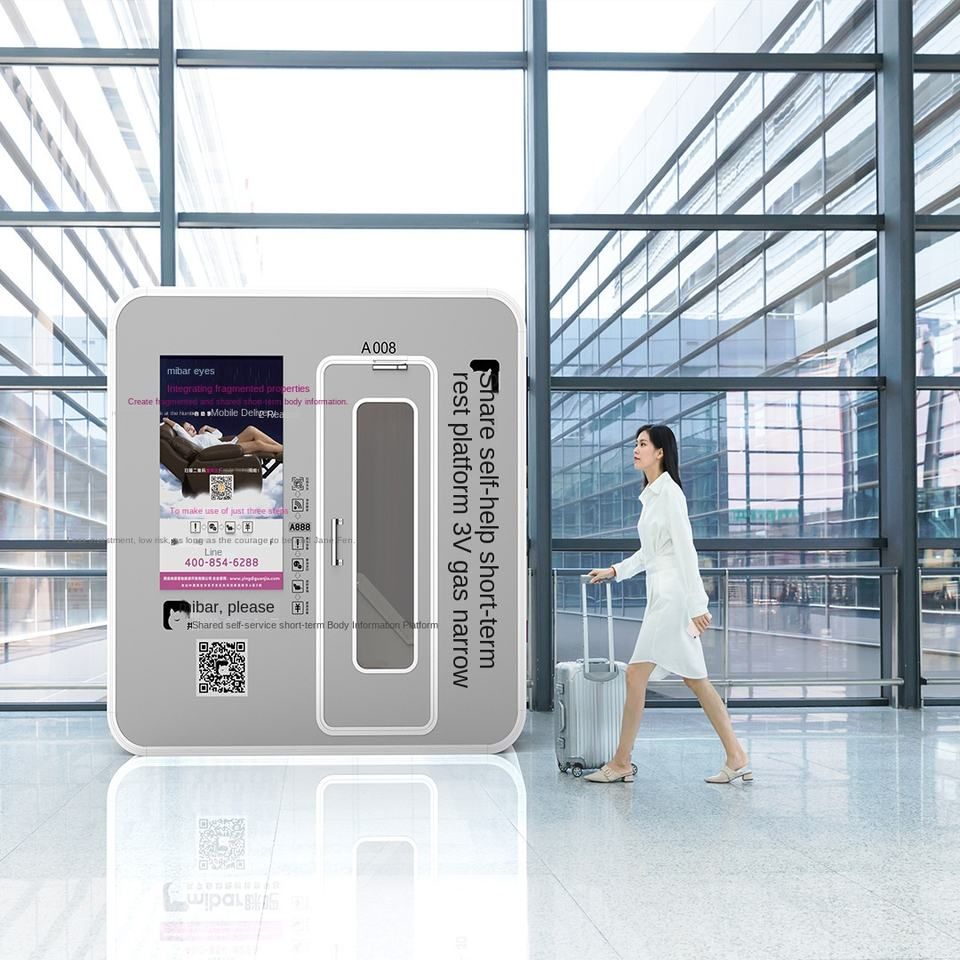
Performance Characteristics
- Wind and Earthquake Resistance: Products from leading companies can withstand wind speeds of up to 10-12 levels and seismic intensities of 7-8 degrees, with frame deformation rates as low as 0.2%-0.3%, complying with building structural load standards and capable of withstanding severe weather conditions. For example, products from Suzhou Zhongnan Steel Structure Co., Ltd. can withstand winds up to level 12, making them suitable for coastal typhoon-prone areas.
- Portability and Reusability: Foldable containers, when folded, occupy only 1/5 to 1/3 of their expanded volume, allowing each standard freight truck to carry 12-20 units, reducing transportation costs by 25%-40%. During storage, they can be stacked 6-8 layers high, increasing space utilization by 60%, making them suitable for emergency rescue and short-term turnover scenarios.
- Installation Efficiency: Quick-assembly container products can be installed in 2-4 hours per unit, with a 100-unit camp setup period of 7-12 days. The higher the degree of factory prefabrication, the faster the setup. For example, Suzhou Zhongnan's quick-assembly containers can be installed in just 2 hours per unit, with 100 units ready for use in 7 days.
Application Scenarios
- Engineering Camps: Used as temporary dormitories and offices to meet short-term engineering needs.
- Commercial Pop-up Shops: Customized interiors are pre-installed, allowing a 20㎡ store to be set up in 2 days, saving on opening preparation time.
- Emergency Support: Quickly transported to disaster areas to provide temporary living and medical spaces, with significant advantages in transportation and storage costs.
- Cultural Tourism Homestays: Through modular assembly and facade customization, they are suitable for diverse scenarios such as mobile commerce and cultural tourism accommodations.
Purchasing Considerations
- Compliance: Prioritize companies with production qualifications and domestic and international certifications to ensure project delivery and after-sales capabilities.
- Process Performance: Pay attention to weld-free quick-assembly processes and the degree of disassembly and assembly losses, ensuring structural stability after multiple relocations.
- Scenario Adaptation: Choose product types based on needs, such as focusing on transportation and storage costs for emergency scenarios and customization flexibility for commercial scenarios.
- Cost-effectiveness: Evaluate the reuse and maintenance costs over the entire lifecycle. Leading compliant products can be disassembled and reused an average of more than 8 times, reducing construction waste emissions by approximately 90%.
Relacionados



