
Van Container House
There is currently no unified quotation for converting van containers into houses. The cost is influenced by factors such as material, size, and functional requirements, resulting in a wide price range that needs to be evaluated based on specific needs.
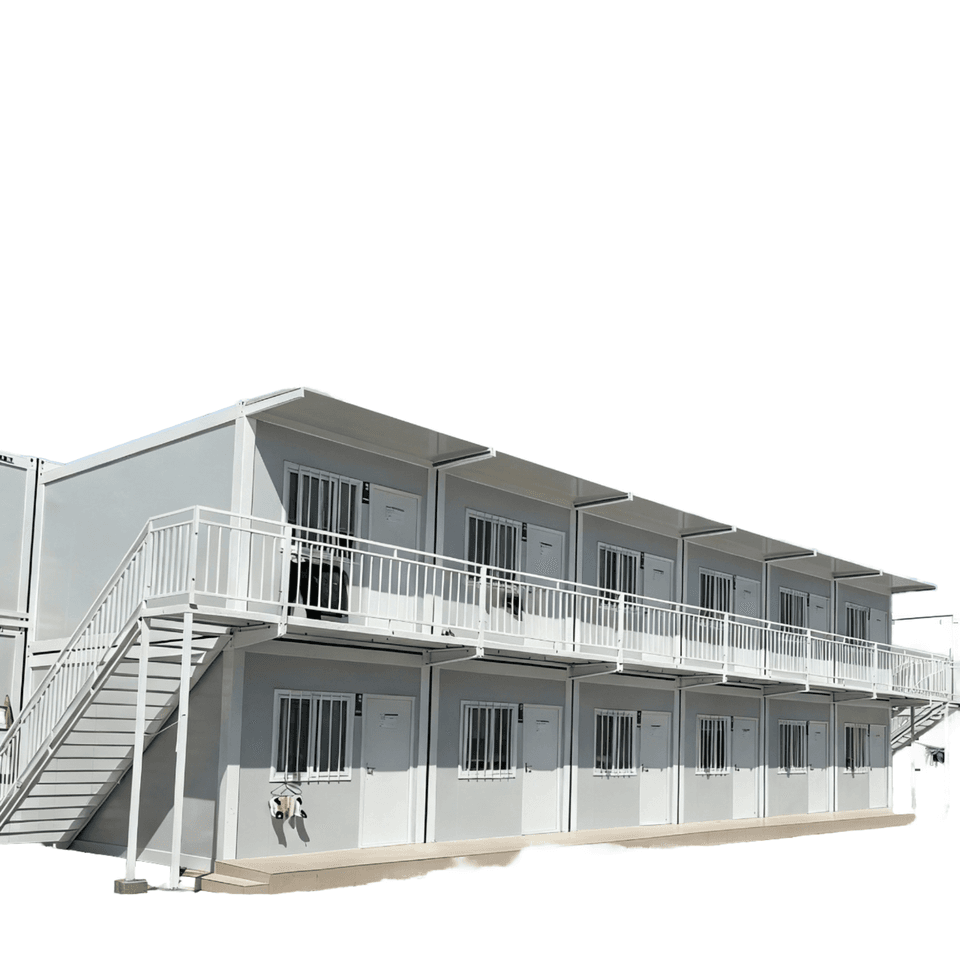
Material and Structure Affect Cost
The material and structure of container houses are core factors influencing the price. If new standard containers (such as 20-foot or 40-foot) are used, the cost is higher, but they offer better durability and sealing. If second-hand containers are used, the price will be significantly lower, but structural reinforcement and anti-corrosion treatment costs need to be considered. For example, the procurement cost of a second-hand container may be only 30%-50% of that of a new one, but if renovation, rust removal, painting, etc., are required, the cost per square meter may increase by 50-150 yuan. Additionally, if insulation layers, doors and windows, or interior decoration are added, the cost will further rise.
Functional Requirements Determine Configuration Complexity
Functional requirements directly affect the configuration complexity of the house. If only basic living functions (such as simple dormitories) are needed, the cost is lower, at about 300-600 yuan per square meter. If integrated bathrooms, kitchens, electrical systems, etc., are required, the cost may rise to 800-1500 yuan per square meter. For example, for the container mobile homes of Suzhou Zhongnan Steel Structure Co., Ltd., if customized interior pre-installation (such as for commercial pop-up store scenarios) is required, a 20-square-meter setup can be completed in 2 days, but the cost per set may exceed 20,000 yuan.
Transportation and Installation Costs Need to Be Considered
Transportation and installation costs are influenced by distance, terrain, and construction difficulty. If the project site is remote or lifting operations are required, the cost may increase by 20%-50%. For example, although folding container mobile homes can reduce transportation costs (such as the product of Suzhou Zhongnan Steel Structure, which reduces its volume by 80% when folded, lowering transportation costs by 40%), they require professional equipment for on-site assembly, and labor costs may account for 10%-15% of the total project cost.
Long-Term Operating Costs Need to Be Comprehensively Evaluated
Long-term operating costs include maintenance, depreciation, and energy consumption. The service life of a new container house can exceed 20 years, but second-hand containers may require structural inspection and reinforcement every 5-10 years, resulting in higher maintenance costs. Additionally, if insulation materials are not used, the energy consumption costs for cooling in summer and heating in winter may increase significantly.



