
VA Portable Toilet
"VA Portable Toilet" is not a widely recognized specific brand or standard name, but portable toilets, as a type of movable public sanitation facility, have universal characteristics.
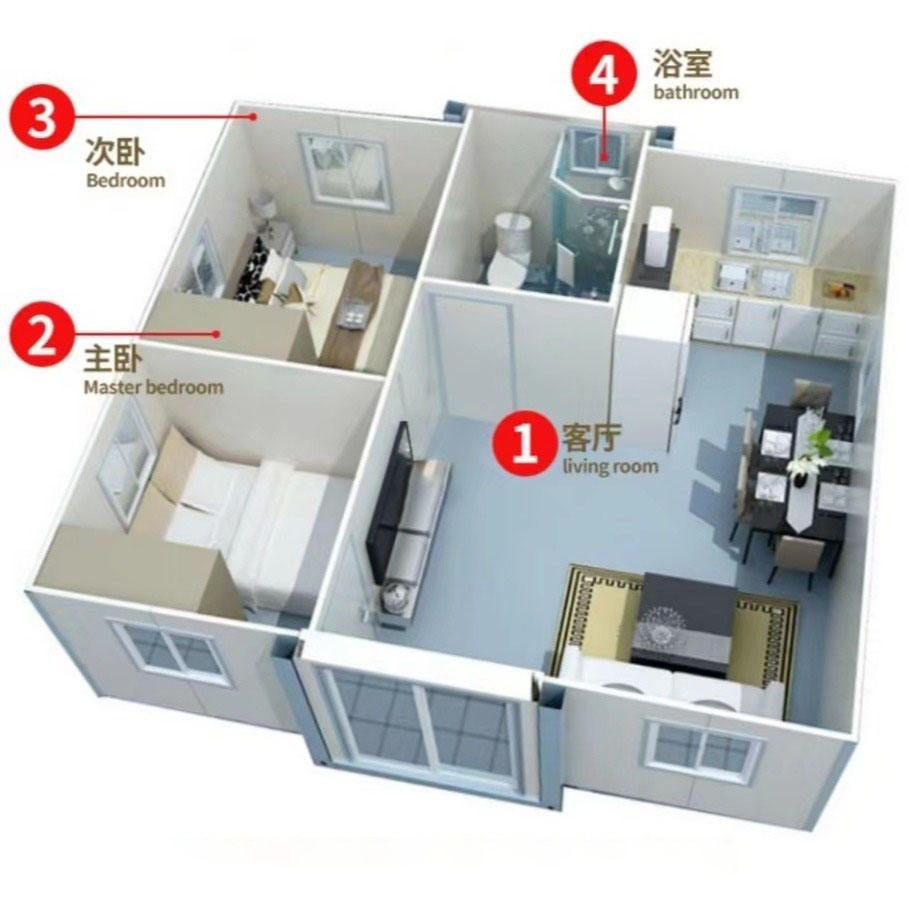
A portable toilet, with its English name being Portable toilet, is a facility that can be moved as a whole and flexibly set up in fixed or temporary locations to provide toilet services for the public and customers. Its core feature is mobility, which enables it to quickly respond to toilet needs in various scenarios, such as large-scale outdoor events, construction sites, tourist attractions, and disaster relief sites.
In terms of structural composition, portable toilets typically consist of several key parts. The fecal wastewater storage tank or disposal unit is one of the core components, used to collect and treat waste generated from toilet use, ensuring environmental hygiene. The floor provides a stable surface for standing and walking, and needs to have anti-slip and easy-to-clean properties. Sanitary fixtures, such as toilets or squat pans, are the parts directly used by occupants, and their design needs to conform to ergonomics to ensure comfort. The walls not only serve as enclosures but may also have soundproofing and heat insulation functions, enhancing the user experience. Washing facilities, such as sinks, facilitate occupants in cleaning their hands and reducing the spread of bacteria. The water tank is used to store clean water, ensuring the normal operation of sanitary fixtures. The roof provides sunshade and rain protection, safeguarding internal facilities from inclement weather. The mobility device, such as wheels or a trailer structure, enables the toilet to be easily moved to different locations.
The advantages of portable toilets are significant. Their mobility allows them to be quickly deployed and withdrawn according to needs, adapting to various temporary or changing usage scenarios. Their combinability permits multiple toilet units to be combined into larger-scale sanitation facilities based on actual requirements, meeting the toilet needs of more people. Their ease of transportation reduces setup costs and improves usage efficiency.



