
Urban Prefabricated Housing
The prices and demolition compensation for prefabricated housing within the same city vary by region, and specific determinations need to be made by combining factors such as housing type, location, and policies. The following provides an explanation from the perspectives of price differences and demolition compensation:
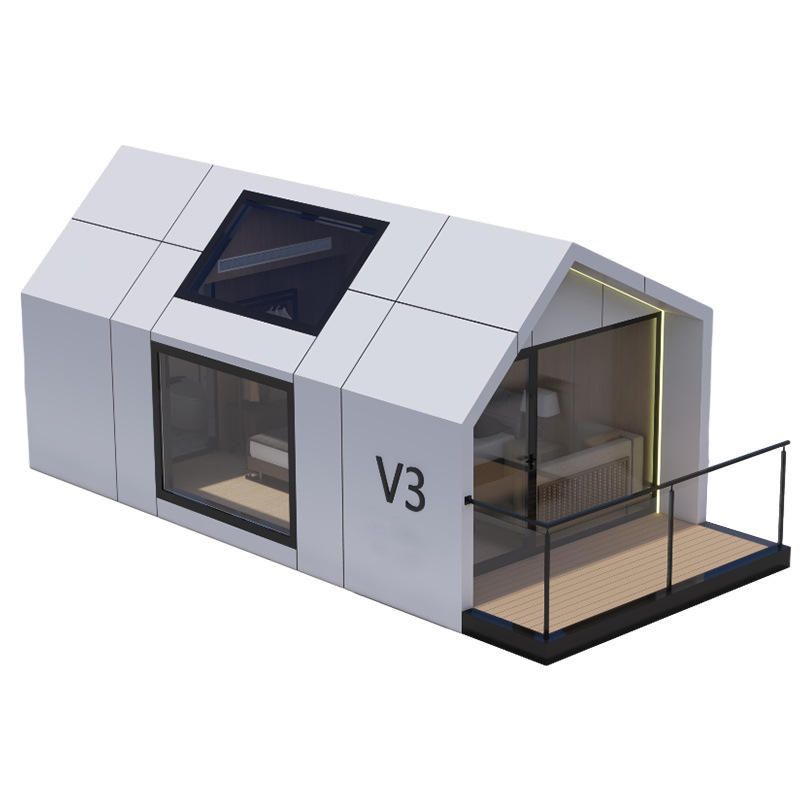
I. Significant price differences in prefabricated housing due to region and type
The price of prefabricated housing is greatly influenced by materials, structural types, and regional economic levels. For example, the price of a light-steel villa prefabricated house in Shijiazhuang, Hebei, is 1280.00 yuan per square meter. This type of house typically uses a light-steel structural frame, paired with thermal insulation and soundproofing materials, making it suitable for long-term residential use and thus having a higher cost. The price of a prefabricated house in Chongqing is 1100.00 yuan per square meter, possibly due to differences in local building codes or material supply chains, resulting in a slightly lower price compared to Shijiazhuang. In contrast, the price of a rural light-steel prefabricated house in Cangzhou, Hebei, is only 480.00 yuan per square meter. This type of house is mostly used for temporary residence or agricultural auxiliary buildings, with simplified structures and lower material costs, resulting in a significantly lower price than the previous two. The core of price differences lies in the housing's purpose, structural complexity, and regional market supply and demand relationships, and consumers need to choose the appropriate type based on actual needs.
II. The phenomenon of 'different fates within the same city' in demolition compensation for prefabricated panel houses
Within the same city, the demolition compensation standards for prefabricated panel houses may vary due to factors such as location assessment value, housing area, and compensation coefficients. For example, prefabricated panel houses in urban core areas may have significantly higher compensation amounts due to high land values compared to those in the suburbs. Even within the same area, larger housing areas and more complete structures result in higher compensation coefficients, leading to more compensation payments. Additionally, some cities adjust compensation standards based on factors such as the construction year of the house and whether it complies with planning regulations, with older or illegally constructed prefabricated panel houses potentially facing lower compensation or even no compensation. The essence of compensation differences is a comprehensive reflection of land value and housing legality, and residents need to understand local policies in advance to ensure their rights and interests.
Summary: There are no unified standards for the prices and demolition compensation of prefabricated housing within the same city, and comprehensive judgments need to be made by combining factors such as housing type, regional economic level, and policy details. When purchasing or facing demolition, it is advisable to consult local suppliers or demolition departments to obtain specific quotes and compensation plans.



