
Urban Mobile Toilet Samples
Urban mobile toilet samples come in a variety of types, covering different functions, structures, and waste treatment methods. Here are the specific classifications and their characteristics:
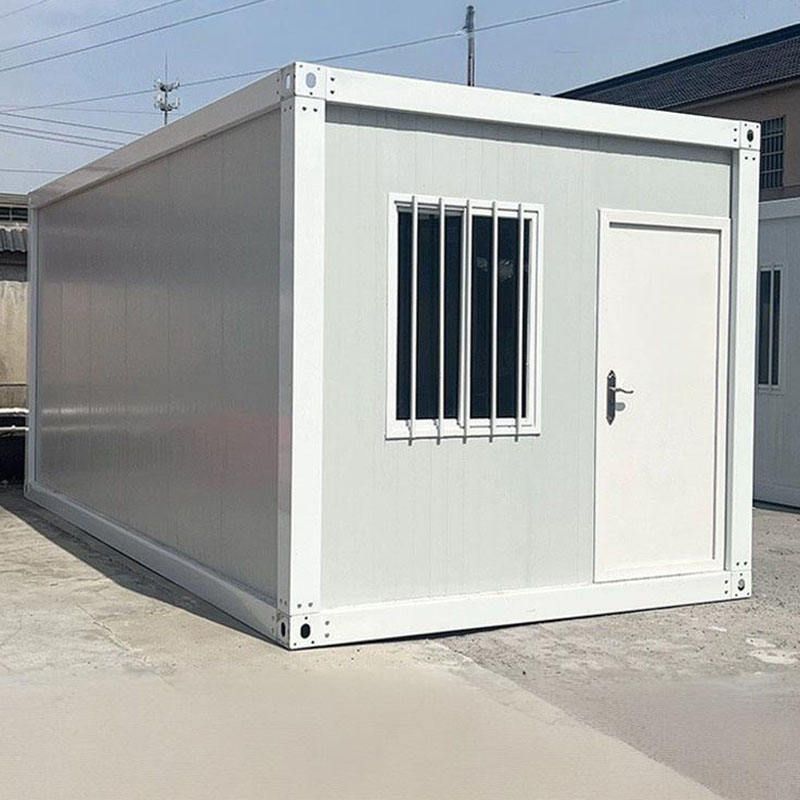
Classification by Functional Design
Economical and Practical Mobile Toilets
These toilets focus on basic functions, with an overall appearance featuring gray and white metal carved panels. They are designed with 8 squatting positions, separate entrances for men's and women's restrooms, sliding windows and stone wall lights on the front wall, and independent squatting compartments. Their core advantages lie in their low cost and sturdy structure, making them suitable for public areas with high foot traffic, such as temporary event venues and construction sites, to meet basic restroom needs.Mobile Intelligent Eco-Friendly Public Toilets
Customized for urban parks, scenic spots, and other settings, these toilets measure 1.15 meters in width and 2.45 meters in height, integrating intelligent equipment. For example, they are equipped with air conditioning for warmth in winter and coolness in summer, fresh air systems to maintain air quality, intelligent lighting that automatically adjusts brightness based on the environment, intelligent disinfection systems for regular sterilization, and intelligent sensor-based flushing systems to reduce contact contamination. These toilets emphasize user experience and environmental friendliness, making them suitable for places with high hygiene requirements.
Classification by Structural Form
Single-Module Mobile Toilets
Composed of a single module, these toilets have a simple structure and are easy to install, typically serving as independent units that can be quickly deployed in temporary venues. They offer high flexibility but have lower space utilization, making them suitable for short-term use or scenarios with limited space.Composite-Structure Mobile Toilets
Made up of multiple modules, these toilets can be expanded to include multiple squatting positions and multifunctional areas (such as management rooms and accessible restrooms). They have strong structural stability and a more reasonable space layout, making them suitable for long-term fixed use or areas with high foot traffic, such as commercial streets and transportation hubs.
Classification by Mobility Method
Lifting and Handling Mobile Toilets
These toilets rely on lifting equipment or manual handling and are suitable for flat ground or short-distance movement. Their advantage lies in not requiring a power unit, resulting in lower costs, but their movement efficiency is limited by the venue.Powered and Trailer-Type Mobile Toilets
Equipped with engines or trailer devices, these toilets can move autonomously or be towed by vehicles, making them suitable for long-distance transportation or scenarios requiring frequent movement, such as large-scale event tours and emergency rescue operations.
Classification by Sewage Treatment Method
Water-Flush and Waterless Suction Mobile Toilets
Water-flush toilets use water from tanks for flushing and require regular cleaning of septic tanks; waterless suction toilets use negative pressure to suction feces, reducing water consumption but requiring supporting sewage suction vehicles. Both require external treatment of waste and are suitable for areas with sewage pipes or access to sewage suction services.Recirculating Water-Flush Mobile Toilets
These toilets purify sewage through biodegradation or physical filtration technology to achieve water resource recycling, reducing reliance on external sources. They are suitable for water-scarce areas or scenarios with high environmental requirements.Dry-Packing Mobile Toilets
These toilets use biodegradable bags to collect feces, requiring no water. The bags are packed and disposed of centrally, with no pollution emissions, making them suitable for remote areas or temporary events without water sources or sewage facilities.



