
Urban Container House
Urban container houses are buildings formed by using containers as basic modular units through industrial manufacturing and rapid on-site assembly. They have characteristics such as being cost-effective, flexible, and environmentally sustainable, but they may also have issues like cramped space and subpar living experiences.
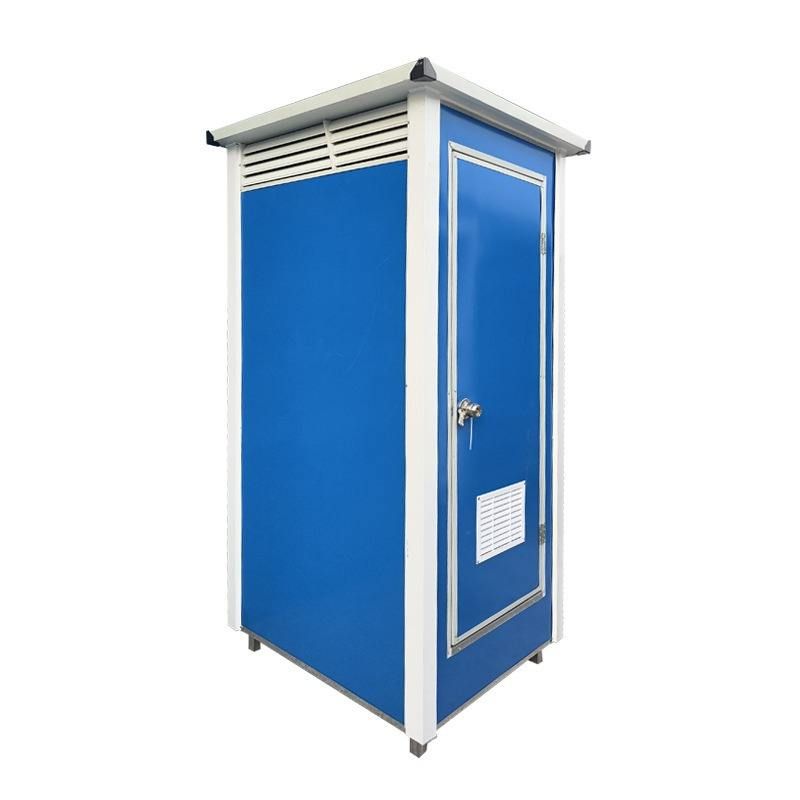
Cost-effective and Flexible
The procurement and renovation costs of container houses are relatively low, giving them significant economic advantages. Their modular design allows containers to be quickly assembled on-site according to different uses and functions, forming various styles of housing structures. This flexibility enables container houses to adapt to a wide range of scenario requirements, such as temporary exhibition venues, urban living rooms, public stations, non-standard commercial spaces, and creative offices. For example, the Rong·Gubei Station in Shanghai uses container spaces to build a shared service network, and the TEU Container Tribe in Qingdao creates a fashionable commercial complex, both demonstrating the potential of container houses in enriching public services and promoting the integration of culture, commerce, and tourism.
Environmentally Sustainable with Material Recycling
The core value of container houses lies in the full life-cycle recycling of their materials. Each standard container consumes about 1.2 tons of steel, resulting in lower carbon emissions compared to traditional concrete temporary buildings. Container houses can be hoisted as a whole to new sites, with disassembly and assembly loss rates controlled within 5%, significantly reducing construction waste generation. Additionally, some container houses are equipped with self-circulating sewage systems, further enhancing their environmental performance.
Cramped Space and Limited Living Experience
Despite their many advantages, the cramped space of container houses is an issue that cannot be ignored. Taking the athlete accommodations at the Nagoya Asian Games as an example, the bed sizes in the container houses were small, making it difficult for tall athletes to live comfortably. At the same time, container houses also have deficiencies in sound insulation and air conditioning configuration, affecting the living experience.



