
Volver al blog
Artículo
Portable Toilets for Unit Employees
Admin 22 de septiembre de 2026
Portable toilets for unit employees are movable and rapidly deployable sanitation facilities suitable for both temporary and long-term sanitation needs, with core advantages of high flexibility, easy installation, and independence from fixed sewage pipes.
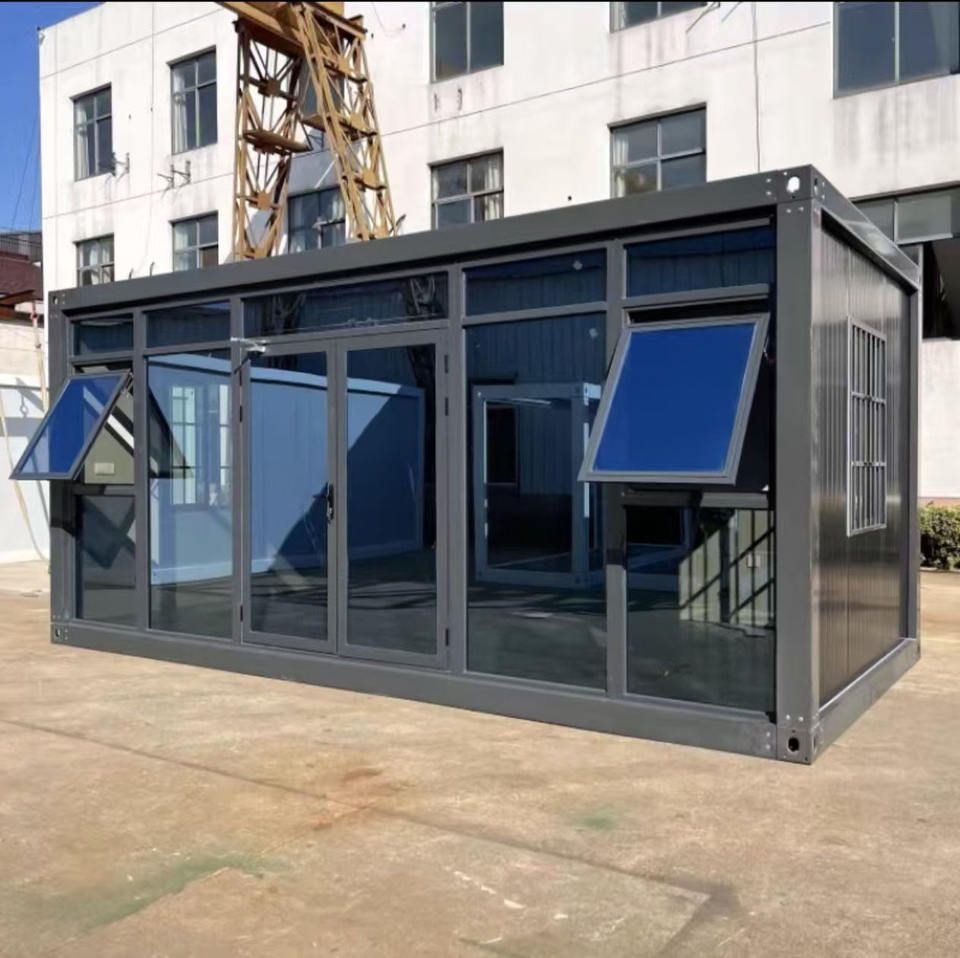
Applicable Scenarios
- Construction Sites: Construction sites are densely populated with personnel and have dynamically changing work areas, making it difficult to relocate traditional fixed toilets. Portable toilets can be flexibly placed at locations such as tower cranes, steel processing areas, and dormitory areas according to construction progress. Each toilet can accommodate 1-2 people, meeting the needs of 50-100 person teams, effectively improving sanitation management levels on construction sites.
- Logistics Parks and Freight Stations: Logistics parks cover large areas with frequent vehicle movement, and drivers and porters need nearby toilet facilities. Configuring portable toilets at key nodes such as main roads, loading and unloading areas, and parking lots can prevent illegal parking and enhance operational efficiency. Industry standards recommend configuring 2-3 toilet stalls for every 100 workers.
- Temporary Offices and Emergency Sites: Temporary project departments, disaster relief sites, or large-scale quarantine points require immediate sanitation facilities. Portable toilets can be rapidly deployed, with some models featuring water flushing and self-circulating fecal collection tanks, eliminating the need for external water supply and drainage, making them suitable for emergency scenarios.
- Mines and Remote Work Sites: Fieldwork environments are far from urban sewage networks and have frequently changing locations. Portable toilets are made of corrosion-resistant and rust-proof materials, equipped with large-capacity fecal storage tanks, and can be cleaned and transported every few weeks, ensuring basic sanitation needs for field personnel.
- Schools and Training Institutions: During campus expansions, large-scale exams, or military training periods, there is a high density of personnel, and portable toilets can serve as a supplement to fixed toilets. For example, portable toilets are configured outside college entrance examination sites for parents to use, and are also commonly placed on sports fields and military training grounds.
Product Types
- Simple Type: Simple structure and low cost, suitable for short-term events.
- High-Quality Type: Spacious interior, equipped with mirrors, hooks, and other facilities, suitable for high-end occasions.
- Barrier-Free Type: Wide entrance with auxiliary devices such as handrails inside, specifically designed for individuals with mobility impairments.
- Eco-Friendly Biological Toilets: Utilize microbial degradation or circulating water flushing technology to reduce pollution.
- Luxury Portable Toilets: Equipped with air conditioning, lighting, ventilation fans, etc., enhancing user comfort.
Configuration Recommendations
When selecting portable toilets, enterprises and institutions should comprehensively consider factors such as the number of users, usage duration, waste disposal methods (water flushing, foam sealing, waterless packaging, etc.), and environmental regulations. Generally, it is recommended to configure toilet stalls at a ratio of 1:15-1:20, prioritizing models with ventilation, lighting, and non-slip floors to enhance safety and user experience.
Relacionados



