
Is the Underground Container House Moisture-Proof?
Underground container houses generally possess moisture-proof characteristics. Their moisture-proof design is mainly achieved through four aspects: external protection, internal structure, sealing treatment, and moisture-proof layer installation, as detailed below:
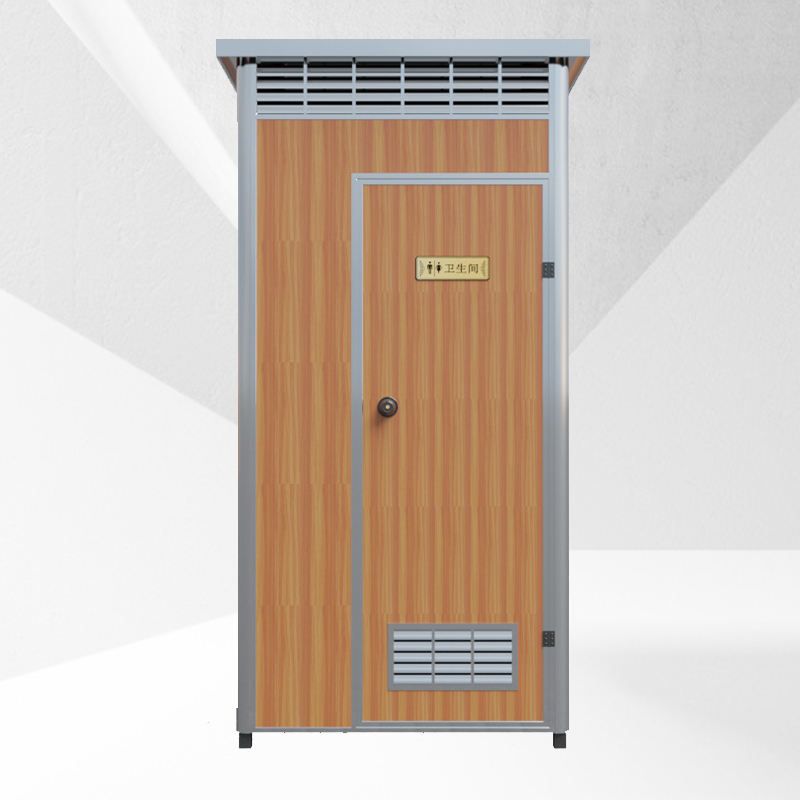
In terms of external protection, the exterior of underground container houses is coated with anti-corrosion coatings. Given the high humidity in underground environments and the potential for chemical erosion from soil, these coatings not only resist corrosion but also prevent moisture penetration to a certain extent, providing the first layer of moisture-proof protection for the house. These coatings typically have good durability and anti-permeability, effectively extending the house's service life and reducing structural damage caused by moisture.
Regarding internal structural design, the bottom of residential container houses uses channel steel square tubes or zigzag steel welded as cross-braces. These steel structures offer excellent moisture and corrosion resistance, providing solid support for the house's bottom. When laying flooring materials on top, a certain distance is maintained from the bottom, with only the outer frame, such as channel steel or zigzag steel, directly contacting the ground. This design prevents the flooring materials from directly contacting the damp ground, reducing the pathways for moisture to rise and thereby lowering the likelihood of indoor dampness.
In the sealing treatment process, high-quality sealing strips and sealants are used to tightly seal doors, windows, joints, and other areas during construction. Doors and windows are important channels for air and moisture exchange between the house and the outside world, and joints are also vulnerable points for moisture penetration. By using sealing strips and sealants, rainwater and moisture can be effectively prevented from infiltrating into the interior through these areas, maintaining a dry indoor environment.
Regarding the installation of moisture-proof layers, a moisture-proof layer is installed at the bottom of the container body, typically using moisture-proof mats or moisture-proof films. These moisture-proof materials can isolate ground moisture from rising, acting like an 'isolation zone' laid at the bottom of the house, preventing underground moisture from entering the interior and further enhancing the house's moisture-proof performance.



