
Types of Mobile Toilets
Mobile toilets can be classified into the following types based on different criteria:
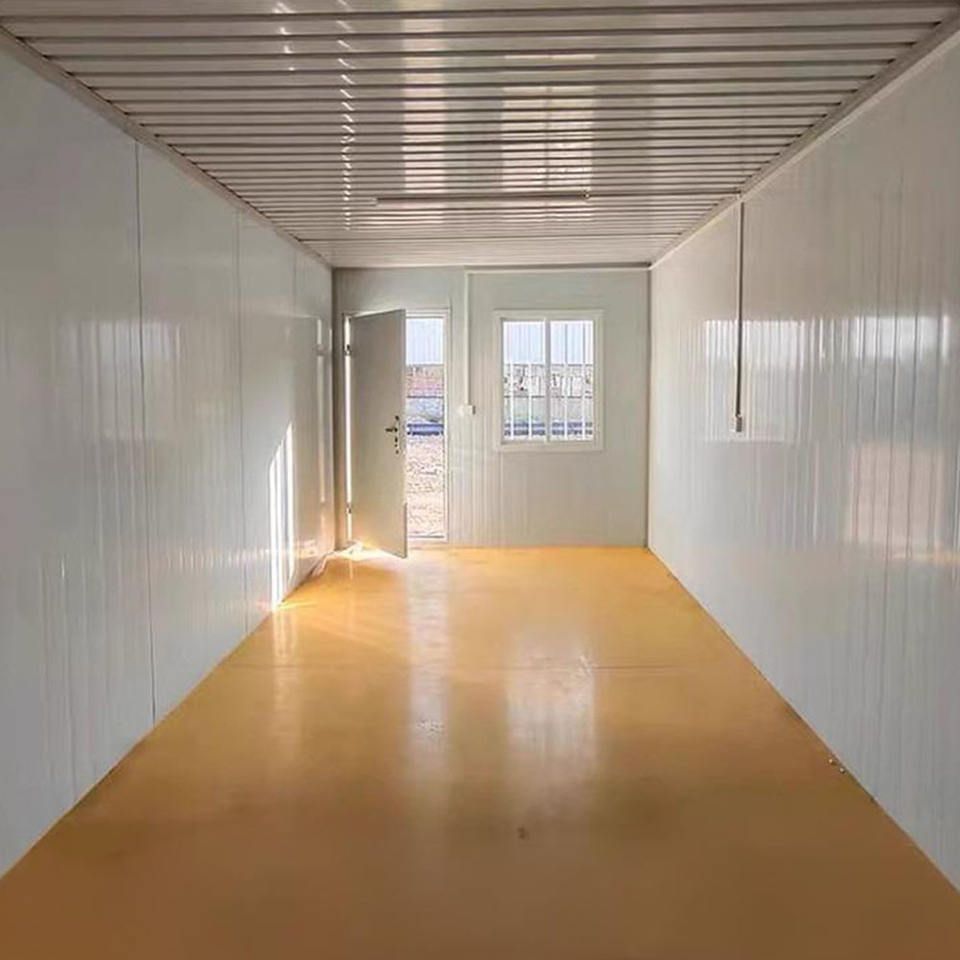
In terms of structural form, they can be divided into single-structure mobile toilets and composite-structure mobile toilets. Single-structure mobile toilets are usually independent units with relatively simple structures, occupying a small area, and are suitable for places with limited space or low demand for the number of toilets. Composite-structure mobile toilets are composed of multiple units and can be flexibly adjusted in scale according to actual needs, meeting the usage requirements of places with a large flow of people, such as large-scale event sites.
Based on the method of movement, there are lifting and handling-type mobile toilets and powered and towed-type mobile toilets. Lifting and handling-type mobile toilets do not have their own power devices and require lifting equipment such as cranes and forklifts for movement and installation. They are suitable for places with low requirements for movement frequency and corresponding lifting conditions. Powered and towed-type mobile toilets come with their own power systems or can be towed by vehicles, making movement relatively convenient and quick. They can be adjusted in position as needed and are often used in temporary and highly mobile places, such as construction sites moving with the progress of the project.
In terms of materials, plastic toilets are lightweight, inexpensive, easy to install and dismantle, and have low costs, making them suitable for temporary use on construction sites. Color-steel toilets have the advantages of heat and sound insulation, a beautiful appearance, and are commonly found in places with certain environmental requirements such as parks and streets. Fiberglass-reinforced plastic toilets have good impact resistance and can withstand a certain amount of external force, making them suitable for special environments such as disaster relief and emergency rescue. Tent-type toilets are simple to assemble and disassemble, can be quickly set up and taken down, and are suitable for temporary events such as outdoor music festivals.
Based on sewage treatment methods, among water-flush and non-water-flush suction-type mobile toilets, the water-flush type is currently the most mainstream and offers a user experience closest to that of traditional toilets. It is equipped with a clean water tank and a sewage tank inside. After use, waste is flushed into the sewage tank by water, and the sewage needs to be cleaned regularly. It has good sanitary conditions and no odor, making it suitable for long-term fixed use. Circulating water-flush mobile toilets can recycle and reuse sewage. Non-water packing types are like diapers, which can be directly sealed after use and are suitable for water-scarce areas such as desert camping. Foam-sealing types squeeze out some foam to cover the odor, saving water and being environmentally friendly, suitable for places with high environmental requirements such as scenic spots. Microbial degradation types can turn feces into fertilizer and are mostly used in high-end scenic spots or ecological protection areas.



