
Prefabricated Panels for Houses in Turkey
Prefabricated panels for houses in Turkey have both advantages and serious problems in their application.
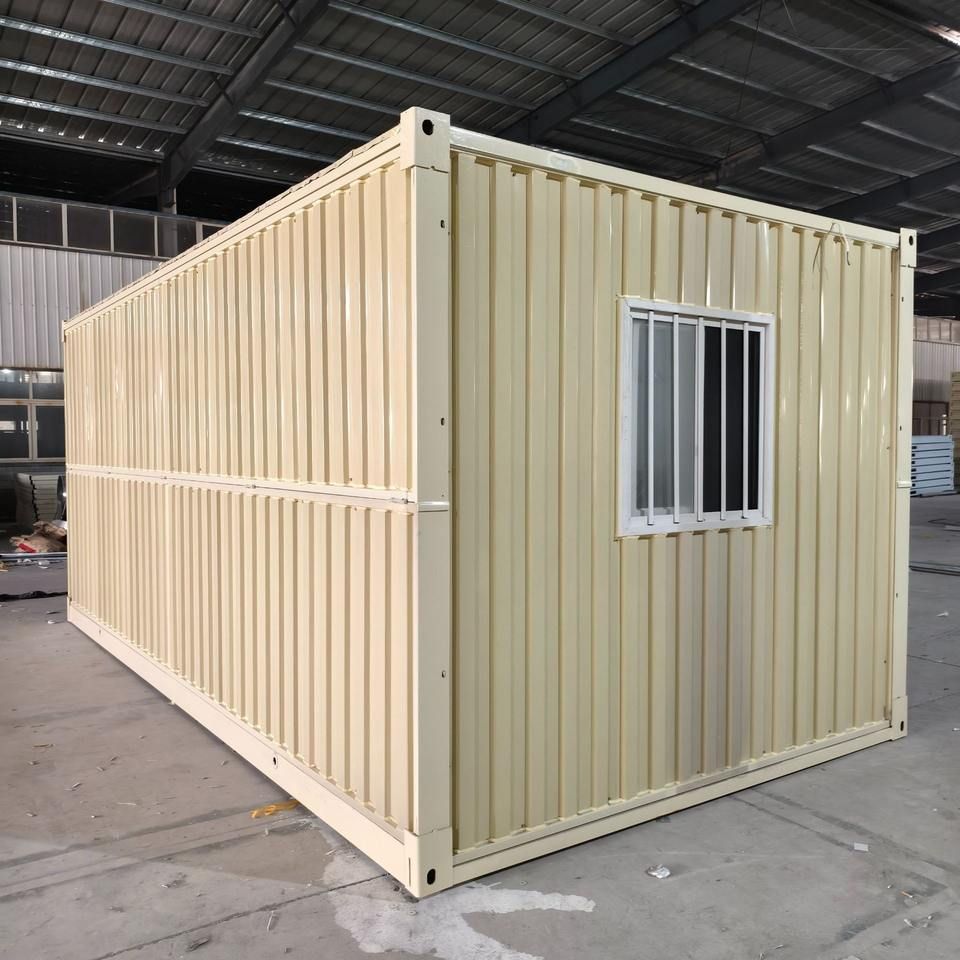
Advantages: Karmod, a well-known Turkish construction company, has a deep accumulation of technology in the field of prefabricated buildings. It has exhibited 22 different specifications of prefabricated panel products with a wide range of application scenarios. In addition to conventional construction sites, they also extend to complex fields such as energy, mining, road construction, and collective housing. The company uses lightweight steel structures, prefabricated building modules, and container-style houses (Kerfane), achieving rapid assembly and disassembly through standardized design, significantly improving construction efficiency. For example, in scenarios requiring temporary facilities, modular structures can reduce on-site construction time by more than 50% while reducing construction waste generation. In addition, the factory-based production of prefabricated components ensures quality stability, the lightweight steel structure enhances on-site operational safety, and the mobility of container-style houses meets the dynamic needs of industries such as energy and mining.
Problems and Challenges: The seismic performance of prefabricated panel houses in Turkish earthquakes has exposed serious flaws. Taking the 7.7-magnitude earthquake in 2023 as an example, more than 2,000 buildings collapsed and 118,000 were damaged. Among them, prefabricated panel houses were prone to overall disintegration under seismic waves due to weak structural connections, resulting in a large number of casualties. The root causes of the problems include three aspects:
- Engineering Quality Defects: Some prefabricated panel houses have problems such as cutting corners, such as not using seismic design for connection nodes and insufficient concrete strength, resulting in structural bearing capacity lower than the standard requirements.
- Structural Type Limitations: Houses with early brick-concrete structures and prefabricated panel structures have poor integrity and are difficult to resist seismic horizontal forces. Although Turkey upgraded its building codes in 1999, old houses have not been fully rectified.
- Inadequate Regulatory Enforcement: Although the law clearly requires seismic design, the regulatory force is insufficient and the crackdown on violations is weak, allowing inferior buildings to still pass acceptance. For example, after the earthquake, Turkey arrested a number of contractors and engineers directly responsible for inferior buildings, highlighting regulatory loopholes.
Improvement Directions: It is necessary to take a two-pronged approach of technological upgrading and regulatory strengthening. Technologically, promote seismic improvement measures such as high-strength connection nodes and the addition of energy dissipation devices; in terms of regulation, establish a full-life-cycle quality traceability system, increase penalties for violations, and promote the seismic reinforcement and renovation of old prefabricated panel houses.



