
Where Does the Water in Mobile Toilets Come From
The sources of water in mobile toilets vary depending on their types, mainly including the following situations:
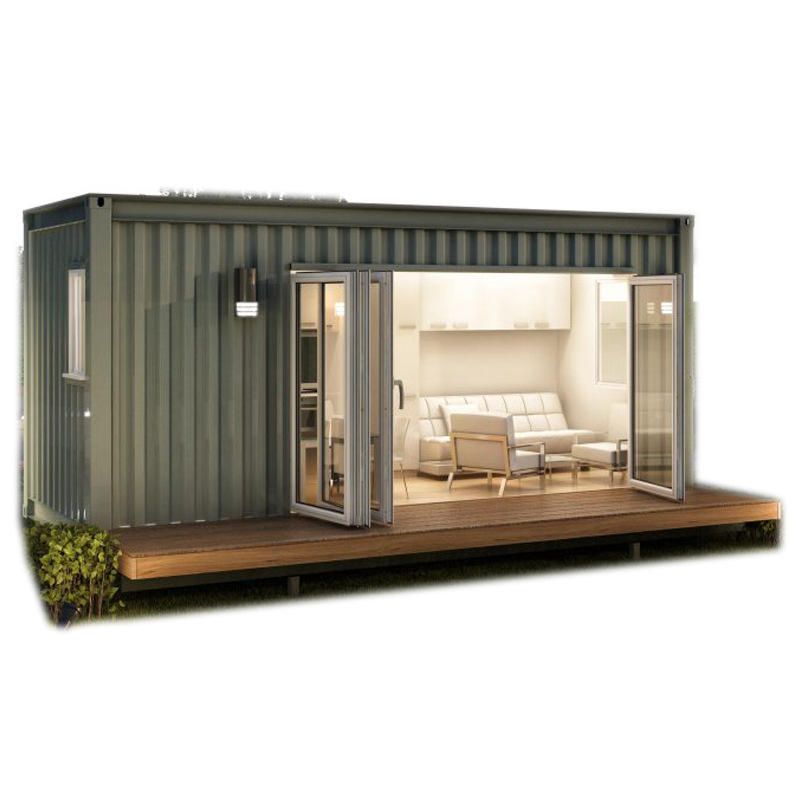
Flush-type mobile toilets: These toilets are usually equipped with a water tank, generally placed on top of the toilet. There are two main ways to obtain water. One is through tap water connection, which is suitable for places with municipal tap water supply. For example, when there are well-established water supply facilities around some large-scale event venues in cities, the mobile toilet can be directly connected to the tap water pipeline to achieve a continuous and stable water supply. The other is relying on external water supply from water tank trucks. In remote areas or places without tap water connection conditions, water tank trucks are used to transport water to the side of the mobile toilet, and water is injected into the water tank through a specific interface to meet the toilet's flushing needs.
Non-flush suction-type mobile toilets: This type of toilet has no flushing device, so it does not involve the regular use of water. Its working principle is that the excrement is directly received by a sewage tank at the bottom of the toilet. After the sewage tank is full, the excrement is drawn out by a special suction device and transported to a designated treatment site. The whole process does not require water.
Recirculating flush-type mobile toilets: This kind of toilet is equipped with an intermittent aerobic and anaerobic treatment device for fecal sewage. It adds biological strains and uses biofilm technology to treat fecal sewage. After treatment, the fecal sewage can reach a certain water quality standard and can be recirculated for flushing toilet fixtures, achieving the recycling of water resources and greatly reducing dependence on external water sources.
Dry-packing mobile toilets: They have no flushing device and do not use water for flushing at all. The excrement is received by biodegradable plastic bags. When the plastic bags are full, they are sealed and replaced with new ones. The whole process does not require water and is suitable for places with scarce water resources or high environmental protection requirements where it is desired to reduce sewage discharge.



