
Anji Prefabricated Housing Finished Products
Anji prefabricated housing finished products mainly refer to old prefabricated panel-structured residential buildings that meet the conditions of the 'trade-in' policy. The policy promotes their renovation into newly built commercial housing through evaluation and replacement.
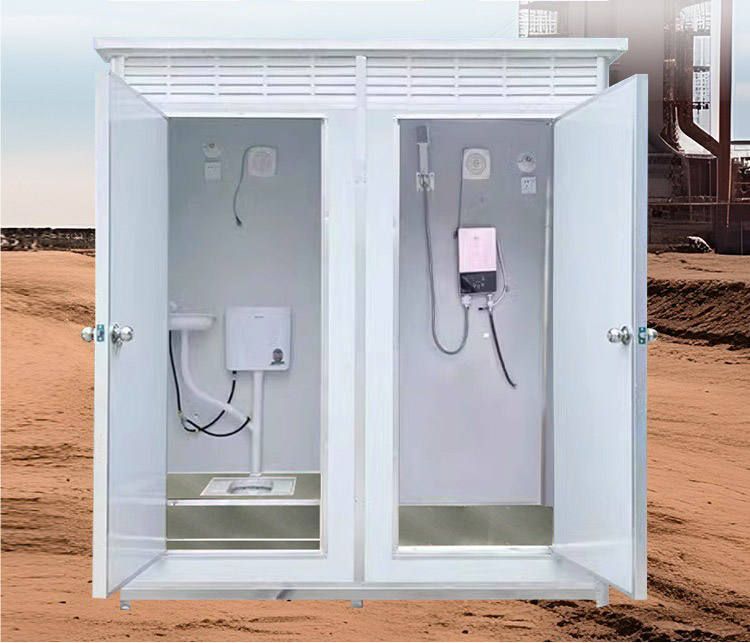
Definition and Characteristics of Prefabricated Panel-Structured Houses
The 'trade-in' policy in Anji County specifies that prefabricated housing finished products must be ordinary commercial residential buildings with prefabricated panel structures and the sole residence of the homeowner. These houses were mostly built in the 1980s and 1990s, primarily as brick or mud-walled houses, using prefabricated panels as flooring materials. Their typical characteristics include:
- Structural Features: Prefabricated panels are manufactured in factories and assembled on-site, offering high construction efficiency but weaker overall integrity, with relatively poor sound insulation and heat resistance.
- Construction Era: Concentrated in the 1980s-1990s, belonging to early commercial housing or self-built houses.
- Property Rights Requirements: Property rights must be clear, with no mortgages, guarantees, mortgages, or leasing relationships, and all utility bills and property management fees must be settled.
Policy-Based Handling of Prefabricated Houses
Acquisition Conditions
The policy sets strict standards for the acquisition of prefabricated houses:- The house must be the homeowner's sole residence and meet the definition of a prefabricated panel structure.
- Property rights must be 'clean,' meaning no disputes or unpaid fees.
- Only ordinary commercial residential buildings are eligible, excluding commercial properties or small-property-right houses.
Evaluation and Replacement Process
- Value Assessment: The market value of the old house is independently assessed by a third-party institution to ensure fairness.
- Replacement Rules: Homeowners must purchase a new house at a price not lower than the total value of the old house, with any difference to be made up by the homeowner.
- Pilot Housing Options: The first batch offers 50 housing units, including projects such as Lanyuan (48-140㎡), Linxi Zhuyu (87-237㎡), and Xingyuelli (89-145㎡), to meet the needs of different families.
Prefabricated House Renovation in Actual Cases
The renovation case of Anji Songguo Homestay demonstrates that some prefabricated panel houses can enhance living quality through modern renovations. For example, a prefabricated panel brick house built in the 1980s was upgraded with underfloor heating, central air conditioning, and American or French-style guest rooms. However, such renovations are individual actions; at the policy level, the focus is on promoting overall housing renovation through the 'trade-in' policy rather than simply renovating old houses.
Summary: The core of Anji prefabricated housing finished products lies in old prefabricated panel residential buildings that meet policy conditions, with evaluation and replacement as the primary handling method aimed at promoting housing structure optimization. For information on specific housing units or the replacement process, contact policy implementers such as Anji County Urban Investment Group or Construction Control Group.



