
Trailer-mounted Mobile Toilet
A trailer-mounted mobile toilet is a toilet facility that can be moved as a whole and relocated through towing. It is suitable for public places such as stations, docks, and tourist attractions, offering advantages such as mobility, modularity, and ease of transportation.
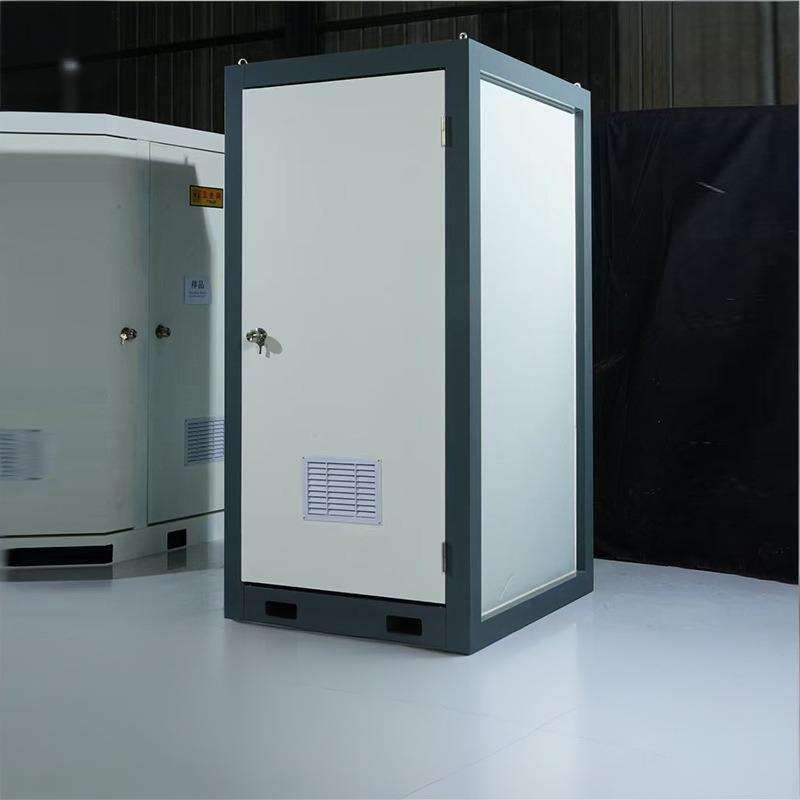
The composition of a trailer-mounted mobile toilet is relatively complex, typically including core components such as a fecal sewage storage tank (or disposal unit), flooring, sanitary fixtures, walls, washing equipment, water tanks, roofs, and mobile units. Its structural forms can be divided into single-unit and composite structures: single-unit structures are mostly independent units suitable for scenarios with limited space; composite structures are composed of multiple units and can be flexibly expanded in capacity. In terms of mobility, it can be classified into hoisting and handling types and powered towing types. The former relies on lifting equipment, while the latter is towed by a tractor, adapting to different terrain requirements. Sewage treatment methods are key indicators for distinguishing its types: flush toilets require a water connection and discharge sewage through pipes; non-flush suction types use vacuum pumps to suction feces, reducing water consumption; circulating flush types achieve water reuse through filtration systems; and dry-pack types use biodegradable bags to collect excreta without the need for sewage pipes, making them suitable for areas without infrastructure.
The core advantages of trailer-mounted mobile toilets lie in their flexibility and environmental friendliness. Through towing devices, they can be quickly deployed to temporary event sites, disaster relief areas, or remote construction sites without the need for fixed infrastructure, significantly reducing construction costs. High-end models, such as the best-selling 10-unit trailer-mounted toilet and shower trailer for export in 2024, integrate shower functions to meet diverse needs; environmentally friendly real-foam mobile toilets use solid tires to avoid puncture risks and are equipped with microbial vacuum foam squat toilets, reducing odors and pollution through biodegradation technology, reflecting green design principles.
In practical applications, the selection of trailer-mounted mobile toilets should comprehensively consider usage scenarios, foot traffic, and environmental requirements. For example, tourist attractions should choose composite-structure models that harmonize with the natural environment; large construction sites should prioritize dry-pack models with large capacities and durability. Their reusable nature also makes them the preferred option for temporary public facilities.



