
Toilet Wall Mobility
Whether toilet walls can be moved depends on the situation, as the renovation logic for fixed-building toilets and mobile toilets is entirely different.
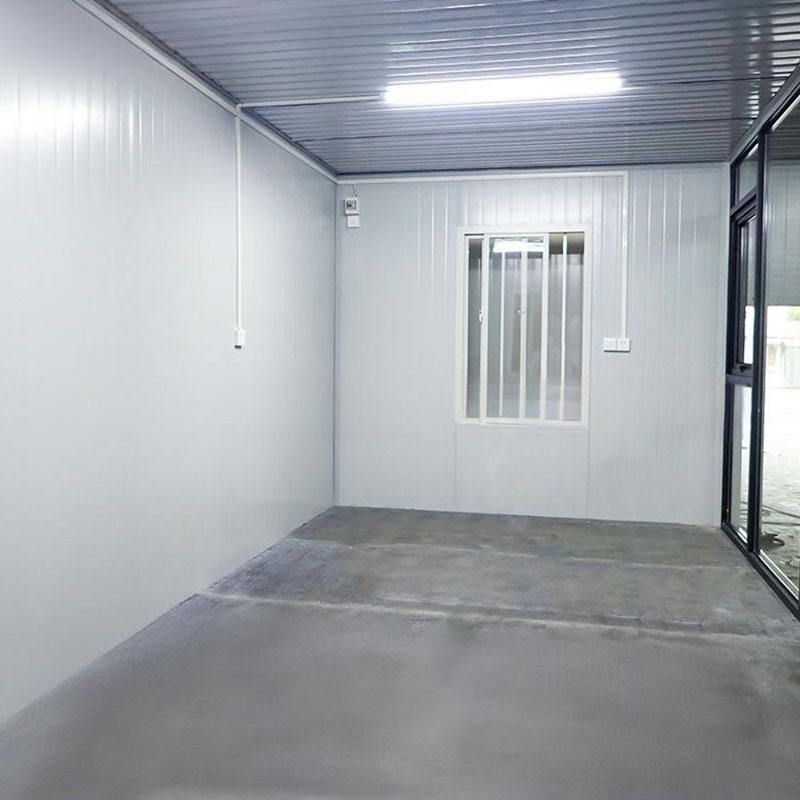
Careful assessment is required for moving walls in fixed-building toilets
For toilets in fixed buildings such as residential properties and shopping malls, moving walls requires consideration of the building structure and compliance with safety regulations. If the wall is non-load-bearing and has no special equipment, space adjustments can be made by demolishing and rebuilding, for example, moving the wall forward to expand the usable area, but it must be ensured that the renovation complies with regulations for fire exits and equipment installation. If there is a potential terminal box (marked 'Do not touch') installed on the wall, it is strictly prohibited to move it randomly. This device is a core facility for preventing electric leakage and static electricity, connected to electrical appliances such as water heaters through steel bars for grounding. Moving it may damage the grounding system, leading to electric shock risks or equipment damage. Such renovations must be assessed for safety by a professional electrician, and a renovation plan can only be formulated after confirming that the position of the terminal box can be adjusted.
The wall design of mobile toilets already supports mobility needs
The walls of mobile toilets (such as those used at stations and scenic spots) are unrelated to fixed buildings, and their original design purpose is to meet flexible deployment requirements. Wall materials usually include fireproof boards, metal carved panels, or color-steel sandwich panels. These materials are lightweight, corrosion-resistant, and easy to disassemble, supporting overall movement or modular reorganization. Production modes support customization, allowing adjustments to wall height, thickness, or the addition of observation windows and other functions according to the usage scenario, but all designs are based on the premise of 'mobility', eliminating the need for additional wall structure renovations.
Key considerations
- Confirm wall nature before renovating fixed buildings: Determine whether it is a load-bearing wall through property management or design drawings to avoid damaging the building's structural safety.
- Principles for handling potential terminal boxes: If movement is necessary, contact the power supply department or a professional agency to replan the grounding circuit and replace equipment that meets standards.
- Applicable scenarios for mobile toilets: They are only suitable for temporary or high-frequency mobile locations. For long-term fixed use, it is recommended to choose traditional building toilets to reduce costs.



