
Toilet Pipe Can Be Moved
The toilet pipe can be moved, but it needs to be operated carefully according to specific circumstances, and certain conditions must be met while following standardized procedures.
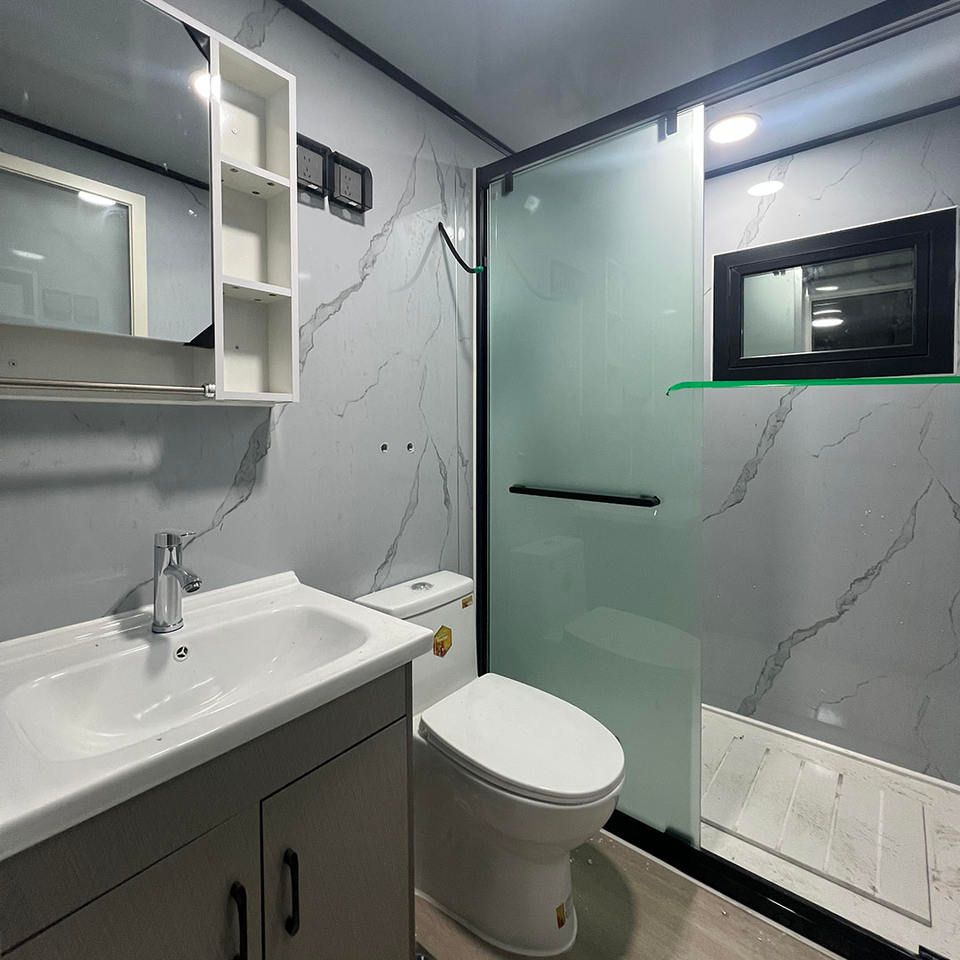
I. Short-distance Relocation (within 40 centimeters) If short-distance pipe relocation is required, special flat or round pipe shifters can be used. During operation, a slope of 1%-2% must be maintained to ensure that sewage can drain naturally and avoid poor drainage due to insufficient slope. At the same time, the number of elbows should be minimized as excessive elbows can increase the risk of blockage and affect the service life of the pipes.
II. Long-distance Relocation (over 40 centimeters) If the relocation distance exceeds 40 centimeters, the floor needs to be raised by about 20 centimeters and the pipes need to be re-laid. The purpose of raising the floor is to provide sufficient space for pipe installation while ensuring the slope requirements. When re-laying the pipes, appropriate pipe materials (such as PVC pipes) should be selected, and the connections should be well-sealed to prevent water leakage.
III. Handling of Special Cases
- Residents with high floor heights: The position of the toilet drain can be moved by increasing the height of the bathroom floor, but attention should be paid to the risk of toilet blockage. After the floor height is increased, the drainage path of the toilet becomes longer. If the slope is insufficient or the pipe design is unreasonable, blockage is likely to occur.
- Sunken bathrooms: The position of the sewage pipes can be changed, but red bricks, steel bars, and cement mortar should be used for backfilling to prevent floor settlement. The backfilling materials should be compacted to ensure that the floor is flat and has sufficient load-bearing capacity.
IV. Precautions
- Restrictions on the main pipe: The main sewage pipe in the bathroom of a regular commercial housing cannot be moved, but the branch pipes in one's own home can be changed. The main pipe is related to the drainage system of the entire building. Unauthorized changes may affect the normal use of other residents and even lead to legal disputes.
- Negotiation and approval: Before changing the pipes, it is necessary to negotiate with the property management and the residents downstairs to avoid disputes caused by noise, water leakage, and other issues during construction. Some communities may require the submission of a construction plan and approval from relevant departments before work can begin.
- Professional construction: Pipe changes involve key aspects such as drainage and waterproofing. It is recommended that professional personnel carry out the operation to ensure that the construction quality meets the standard requirements.



