
How to Install a Mobile Toilet Cabinet
The installation of a mobile toilet cabinet requires consideration of site conditions and equipment type, following standardized procedures. The core steps are as follows:
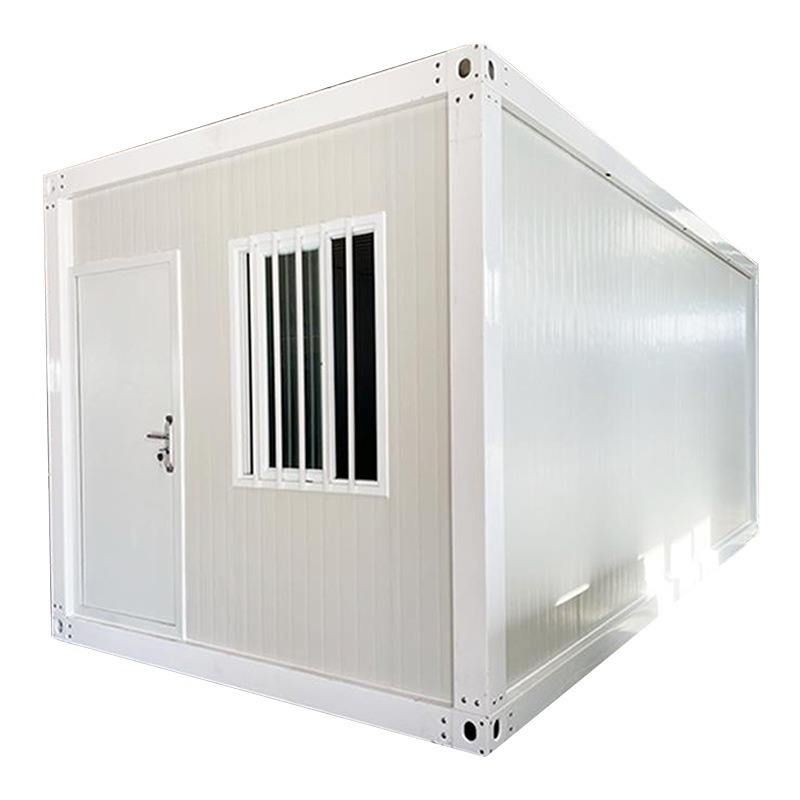
I. Pre-installation Preparation
Site Inspection
Determine the installation location in advance, ensuring the ground is level and solid, and away from main construction roads and pollution sources. For mobile toilets, assess the ground's load-bearing capacity, with a requirement of ≥200kg/㎡ for single-person toilets to prevent equipment damage from later settlement.Material Verification
Check that the cabinet or toilet body is intact and that all accessories (such as door locks, wheels, tracks, sewage pipes, etc.) are present. If any damage or missing parts are found, contact the supplier promptly for replacement to avoid installation interruptions.Foundation Preparation
Clear ground debris according to the equipment type. For mobile cabinets with floor tracks or wheels, pre-embed tracks or lay a concrete foundation; for mobile toilets, lay gravel or a concrete layer to ensure the drainage slope meets requirements (usually ≥2%).
II. Installation Steps
Positioning the Main Body
- Use a forklift or crane to lift the cabinet or toilet body smoothly into the designated position, maintaining a level state to avoid structural deformation from tilting.
- For mobile cabinets, pre-embed tracks or install ground tracks according to the hardware implementation method (such as overhead tracks + bottom wheels, floor tracks, etc.), ensuring the tracks match the cabinet.
Connection and Fixation
- Mobile Cabinet: Fix the overhead track hardware to the top of the cabinet's internal steel frame and install positioning wheels at the bottom, adjusting the wheel height to ensure the cabinet lands stably.
- Mobile Toilet: Connect the sewage pipe to the site's drainage system or temporary collection pit, sealing the interface with sealing tape or cement to prevent leakage; connect the water supply pipe to ensure the flushing system operates normally.
Functional Testing
- Mobile Cabinet: Test the smoothness of wheel or track sliding and adjust the braking distance to a safe range (usually ≤0.5 meters).
- Mobile Toilet: After connecting the water supply, test the flushing function and check that the drainage pipe is unobstructed to avoid blockages.
Internal and External Inspection
- Open the cabinet or toilet door to check that internal facilities (such as sinks, hooks) are secure and inspect the exterior for airtightness to ensure no water or air leaks.
- For mobile toilets, additionally check that the ventilation system operates normally to prevent odor accumulation.
III. Precautions
Load-bearing and Stability
The maximum load-bearing capacity of a single mobile cabinet group is 400 kilograms. Ensure the floor fully supports the cabinet to avoid local suspension and deformation.Waterproofing
If the cabinet is placed outdoors (such as on a balcony or outside the bathroom), apply waterproof paint or lay waterproof membranes around the area to prevent water leakage to the floor below.Safety Signage
Place reflective signs or warning signs around the cabinet or toilet to prevent personnel collisions; keep away from flammable and explosive materials to ensure safe use.
Special Scenario Tip: For factory-preassembled integrated mobile toilets, on-site installation only requires lifting, connecting water and electricity, and sewage pipes, reducing installation time to 2-4 hours.



