
Tieling Mobile Toilet Installation
The installation of mobile toilets in Tieling is typically handled by professional leasing or service companies, covering aspects such as demand analysis, equipment configuration, transportation and installation, and post-installation maintenance. The specific process is as follows:
Demand Analysis and Plan Formulation
The professional team first communicates with the client about the usage scenario (such as large-scale events, construction sites, tourist attractions, etc.), the scale of foot traffic, and the usage period. Based on this information, a personalized plan is formulated. For example, events with high foot traffic require more toilet stalls and shorter cleaning intervals; long-term usage at construction sites necessitates the selection of durable composite material structures. The plan also specifies the type of toilet (such as single-unit, connected-unit, or trailer-mounted) and supporting facilities (such as handwashing stations and lighting systems).Equipment Allocation and Transportation
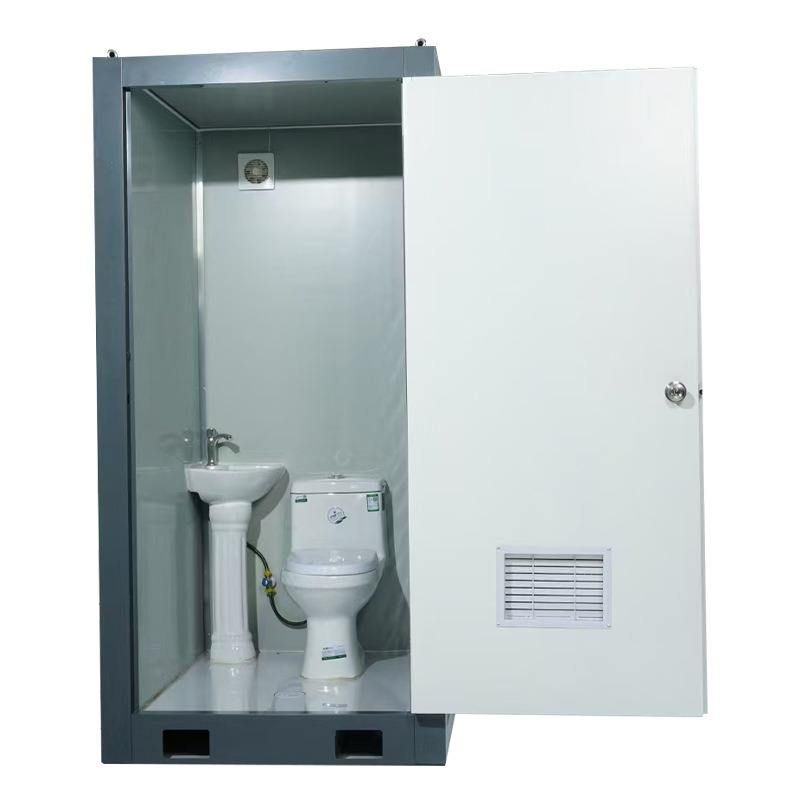
According to the plan, mobile toilet equipment that meets standards is allocated. The interior typically integrates toilets (such as foam-type, packing-type, or water-flush type), waste liquid collection tanks, ventilation devices, and disinfection systems. The equipment is transported to the designated location using specialized transportation vehicles (such as flatbed trucks or cranes). During transportation, the equipment must be secured to prevent damage from bumps and ensure compliance with road transportation safety regulations.On-Site Installation and Commissioning
Upon arrival at the site, the installation team prioritizes ground fixation work: using expansion bolts for hard surfaces and counterweights or ground anchors for soft surfaces (such as grass) to enhance stability. Subsequently, the piping system is connected, including waste liquid discharge pipes (which need to be connected to septic tanks or dedicated collection containers) and ventilation pipes (to ensure air circulation). Internal commissioning includes checking the toilet flushing/packing function, disinfectant spraying devices, and lighting circuits to ensure all components operate normally.Safety and Privacy Protection Measures
The external structure must meet wind and rain resistance requirements, such as using thickened steel plates or high-strength plastic shells, and designing drainage channels on the top. Toilet stall doors are equipped with locks and soundproofing materials, and windows use frosted glass or blackout curtains to protect user privacy. Additionally, warning signs are placed around the equipment to prevent collisions or accidental touches.Post-Installation Maintenance and Dismantling
The service company conducts regular inspections, cleans waste liquid tanks, replenishes disinfectants, and inspects and repairs equipment. After usage, the team follows the reverse process for dismantling: first disconnecting the piping connections, then loading the toilets onto vehicles using lifting equipment, and finally cleaning the site and restoring it to its original condition. The entire installation and dismantling process can usually be completed within a few hours, adapting to emergency needs or temporary scenarios.



