
Effect of Prefabricated Houses in Tibet
The effect of prefabricated houses in Tibet is remarkable, with outstanding performance in adapting to the environment, construction period, cost, environmental protection, functionality, and earthquake resistance and durability.
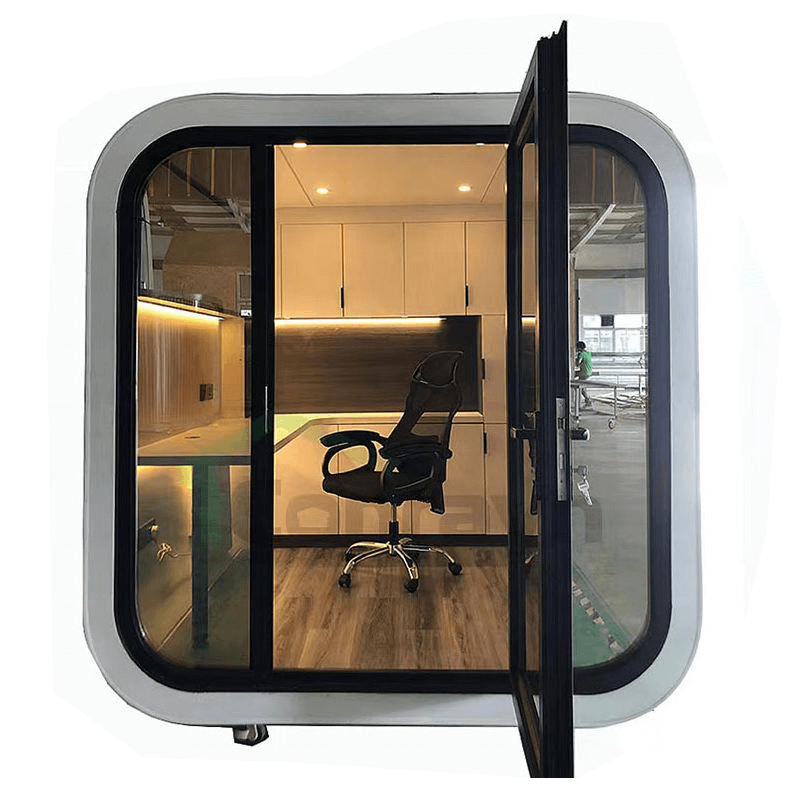
Adapting to the extreme plateau environment: Tibet is characterized by high altitude, cold, oxygen deficiency, strong ultraviolet rays, large temperature differences between day and night, and prominent frozen soil settlement issues. Traditional building materials are prone to aging, and connectors are prone to loosening. Prefabricated houses adopt an assembly-type building system specially customized for the plateau, with material formulations and structural nodes designed for the plateau environment throughout the entire chain. For example, insulation layers and connectors have been verified in extreme climates to ensure building lifespan and living comfort. Insulating, moisture-proof, and ultraviolet-resistant materials are used to ensure structural safety and thermal performance, effectively coping with the complex plateau climate.
Shortening the construction period: The construction window period in the plateau is only 4-6 months per year. Traditional cast-in-place models often lead to delivery delays due to frozen soil and snowstorms causing work stoppages. Prefabricated houses transfer 80% of the construction work to a controlled environment through factory prefabrication, with only assembly and finishing required on-site. The construction period is shortened from the traditional 12-18 months to 6-9 months. For example, Zangjian Technology adopts a prefabricated component + on-site assembly model, reducing the construction period by more than 50%. Packing-box units, after arriving at the site, can be put into use through quick foundation treatment and box body splicing. Dry construction is almost不受季节限制 (not restricted by seasons), significantly expanding the effective construction time.
Reducing costs:
- Transportation costs: Transportation costs in Tibet are several times those in the mainland. Traditional construction methods face difficulties and high costs in long-distance material transportation. The modular design of prefabricated houses facilitates transportation and assembly. Some enterprises reduce long-distance transportation losses by setting up mobile prefabrication workshops. Packing-box units, based on standard container structural modules, are produced in the factory and then 'packed' for transportation, reducing logistics costs.
- Construction costs: Factory prefabrication ensures component precision and quality consistency, reducing on-site errors and post-maintenance costs. Mass production lowers unit costs, and on-site work is reduced by about 80%, significantly reducing labor costs.
Good environmental performance: Traditional on-site wet construction generates a large amount of construction waste, sewage, and dust, which are difficult to degrade in the ecologically fragile plateau area and may cause lasting harm to the soil, vegetation, and water sources. Prefabricated houses move the processing links to the factory, greatly reducing on-site work and lowering construction noise, dust, and solid waste pollution. Some products adopt passive energy-saving designs, reducing energy dependence in the plateau area and aligning with sustainable development concepts.
Meeting multiple functional requirements: Prefabricated integrated houses adopt light steel structures or high-performance concrete frames, combined with functional materials, to meet various needs such as living, office, and medical. They have a high degree of integration, with水电 (water and electricity) and HVAC systems that can be pre-embedded simultaneously, improving overall performance. Packing-box units are not just simple temporary residences but sustainable building solutions.
Having good earthquake resistance and durability: The structural system has undergone special verification for plateau wind pressure and freeze-thaw cycles, possessing excellent earthquake resistance and durability, and can cope with the variable climate and geological conditions of the plateau.



