
Tibet Modular Container House
The Tibet Modular Container House is an architectural form optimized for the unique high-altitude environment, integrating features such as rapid construction, strong environmental adaptability, and flexible functionality.
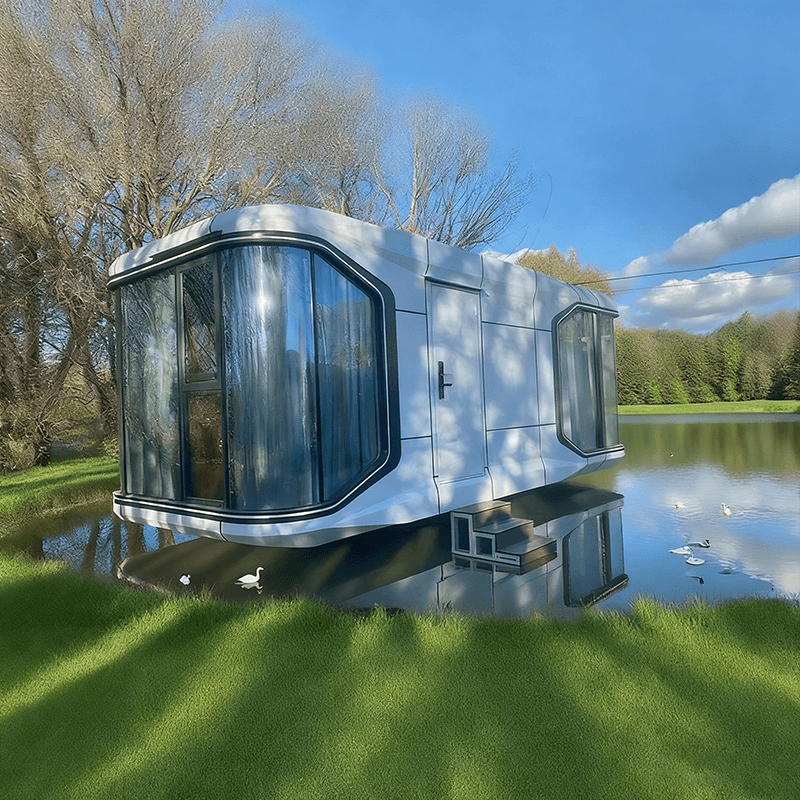
Material and Structural Optimization: In material selection, lightweight yet high-strength materials are commonly used to reduce transportation and lifting difficulties. Additionally, thicker insulation layers and UV-resistant coatings are applied to adapt to the high-altitude conditions characterized by thin air, intense sunlight, and significant temperature variations between day and night. Some products also incorporate solar photovoltaic systems to address power supply issues in remote areas and are equipped with oxygen supply system interfaces to enhance living safety. In terms of structural design, light steel structures or composite panels are predominantly used, combining strength with thermal insulation properties to meet seismic design requirements and adapt to high-altitude geological conditions. For example, some house units adopt double-layer insulation structures, with innovative sealing and assembly techniques enhancing waterproofing and improving assembly precision and quality, addressing insulation and waterproofing challenges in high-altitude regions.
Rapid Construction and Environmental Protection: The core advantage of modular container houses lies in their rapid construction. The architectural structure is broken down into standardized modules, with wall panels, floor slabs, and pipeline embeddings prefabricated in factories. On-site, only lifting and connection are required, significantly shortening the construction period and minimizing disruption to the fragile high-altitude ecosystem. For instance, the "Container Canteen" built by COSCO Shipping in Laju Township, Luolong County, Changdu City, Tibet, adhered to a green and environmentally friendly philosophy from design to implementation. After project completion, mechanical performance analyses were conducted on the overall structure of the house units to ensure structural rigidity and strength, guaranteeing the house's performance and lifespan.
Flexible Functionality and Reusability: Modular design supports flexible expansion and customization of functions, making it suitable for various uses such as residences, medical stations, and schools. The "Container Canteen" built by COSCO Shipping also demonstrates reusability, as it can be transformed into an indoor sports arena or multi-functional hall based on the school's actual needs in the future.
Environmental Adaptability and Reliability: Some enterprises in Tibet specializing in high-altitude architectural research have established high-altitude environmental simulation laboratories. Their modular products have passed low-oxygen and high-radiation tests, and the factories employ modular transportation packaging and on-site assembly techniques. These products are widely used along the Qinghai-Tibet Railway and in border areas, earning recognition for their environmental adaptability and reliability.



