
Is Tibet Mobile Toilet Recommended?
Mobile toilets in Tibet are highly recommended. Due to its unique plateau topography and ecological environment, Tibet faces numerous challenges in the construction of public restroom facilities. Mobile toilets, with their strong adaptability, have been widely applied in the region and demonstrated significant advantages.
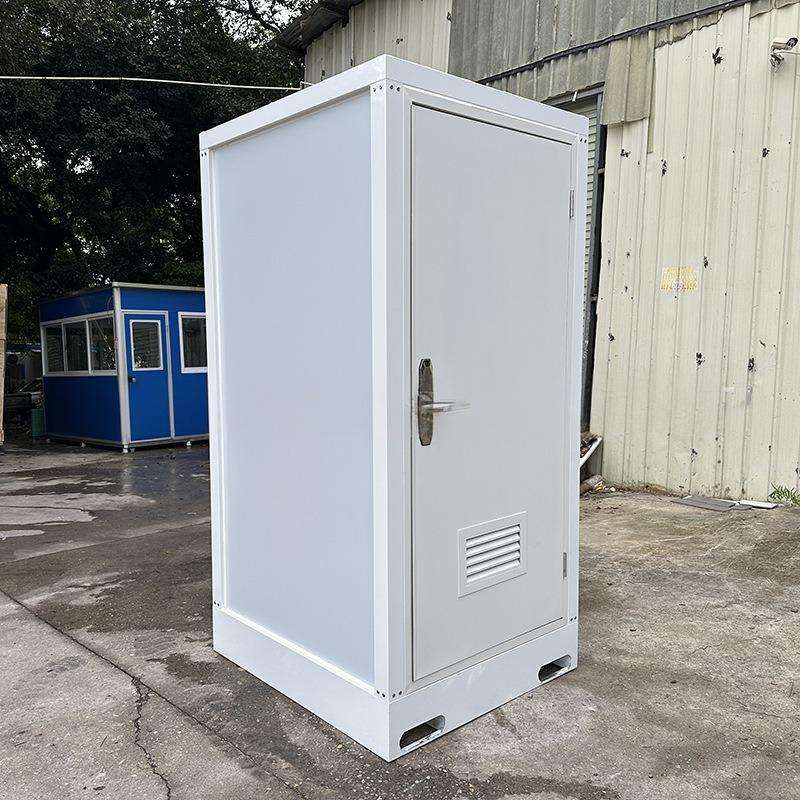
I. Rapid Market Development with Clear Demand
With the advancement of policies such as all-for-one tourism, ecological conservation, and rural revitalization, the market size for mobile toilets in Tibet has continued to expand, surpassing 200 million yuan by 2025, with an average annual growth rate of approximately 15%. Their application scenarios cover tourist attractions, municipal areas, transportation hubs, construction sites, and other fields, with clear demand characteristics that provide direction for product optimization.
II. Materials and Environmental Treatment Suitable for Plateau Conditions
Tibet experiences extreme weather conditions, including large temperature variations, strong ultraviolet radiation, and frequent snowstorms. Mobile toilets need to be constructed using materials that are corrosion-resistant, wind- and snow-resistant, and thermally insulating, such as stainless steel, metal carved panels, anti-corrosion wood, and color-coated steel. There are various environmental treatment methods, including direct water flushing, foam sealing, microbial degradation, and vacuum suction, which should be selected based on local sewage discharge regulations and water source conditions. For example, in areas without water sources, microbial degradation models can be chosen for harmless treatment, while in areas with sewage discharge conditions, water flushing models can be adopted to ensure compliance.
III. Diverse Product Types to Meet Multi-Scenario Demands
- Construction Site Scenarios: Taking construction sites in Lhasa as an example, it is necessary to choose models with steel structural frames and thermal insulation layers, with a minimum width of 1.2 meters per toilet cubicle, and equipped with sturdy wheels to adapt to plateau weather conditions and high personnel density demands. For environmental protection, priority should be given to water flushing or microbial degradation models to ensure compliance with hygiene standards and sewage discharge permits.
- Municipal and Tourist Attraction Scenarios: Outdoor finished mobile public toilets supplied in Lhasa are priced at 1,200 yuan per unit, supporting customization in terms of materials, specifications, and colors. They are equipped with squat toilets, handwashing basins, non-slip floors, etc., and are suitable for multiple fields. Some tourist attractions adopt ecological toilets that achieve source separation of feces and urine through physical separation and biological treatment technologies. The solid excreta can be used as soil amendments after treatment, and they do not require water sources or pipelines, aligning with Tibet's ecological conservation needs.
IV. Mature Supply System with Extensive Service Coverage
The mobile toilet market in Tibet has formed a mature supply system. The direct sales model from manufacturers shortens the procurement cycle, with a delivery period of 5 days and sufficient total supply. It also supports customization and processing according to demand, enabling rapid response to the needs of different regions.



