
Materials of Mobile Toilets in Ninghe, Tianjin
Common materials for mobile toilets in Ninghe, Tianjin, include color-coated steel plates, fiberglass-reinforced plastic (FRP), and plastic blow-molding, each suitable for different scenarios due to their distinct properties.
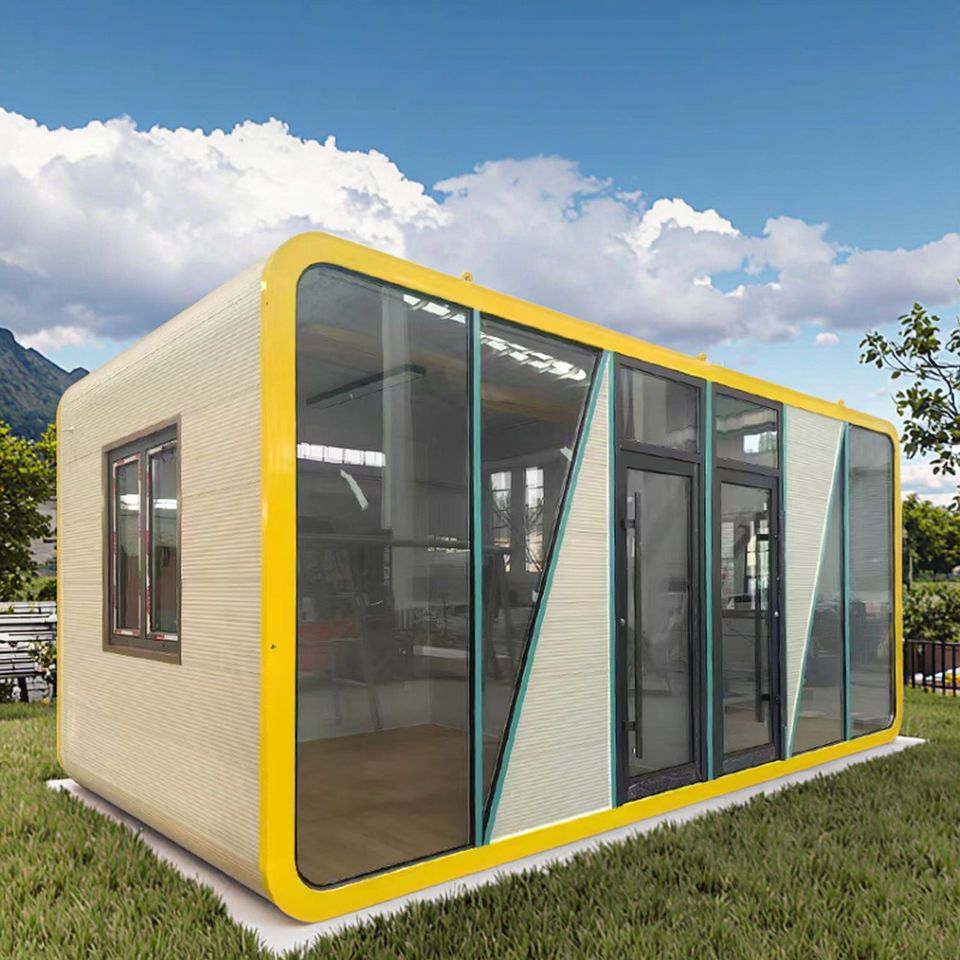
Color-Coated Steel Plate Material
Color-coated steel plates, composed of a colored coating layer on steel plates combined with foam, rock wool, or other core materials, are a popular choice for mobile toilets in Ninghe, Tianjin. Their key advantages are lightweight, easy installation, and low cost. The coated steel provides basic structural strength, while the core material enhances thermal insulation. These toilets often feature a modular design, allowing for rapid assembly or disassembly, making them ideal for scenarios with strong temporary needs, such as construction sites, large event venues, or temporary agricultural work areas. Additionally, the surface coating of color-coated steel plates offers some corrosion resistance, but regular maintenance is required to prevent coating peeling or core material moisture absorption when exposed to high humidity or strong acid-base environments for extended periods.
Fiberglass-Reinforced Plastic (FRP) Material
FRP, made by molding glass fibers with synthetic resins, combines lightweight, high strength, corrosion resistance, and aging resistance. Its highly malleable surface can be designed into streamlined or natural-texture patterns, making it highly suitable for complex outdoor environments like tourist attractions and seaside areas. In Ninghe, Tianjin, FRP mobile toilets are commonly used in damp or salt-spray environments such as fishing piers and wetland parks, as the resin matrix effectively resists moisture and chemical erosion, extending service life. Moreover, FRP does not require internal metal frame support, further reducing overall weight and facilitating transportation and redeployment.
Plastic Blow-Molding Material
Plastic blow-molding involves heating and softening plastic pellets before blowing them into molds to form mobile toilets with corrosion resistance, easy transportation, and controllable costs. In agricultural and fishing scenarios in Ninghe District, the chemical corrosion resistance of plastic (e.g., against pesticides and seawater) and its lightweight design (facilitating manual handling) are key advantages. The surface is typically smooth, reducing dirt adhesion and simplifying cleaning and maintenance. However, plastic is less strong than FRP and requires thicker walls or additional structural support to enhance durability, making it suitable for temporary venues with lower usage frequencies.
Basis for Material Selection
The industrial characteristics of Ninghe, Tianjin (primarily agriculture and fishing) and the demand for temporary activities directly influence the preference for mobile toilet materials. For example, construction sites and agricultural work areas favor the cost-effectiveness and rapid deployment capabilities of color-coated steel plates; tourist attractions and seaside areas prioritize the weather resistance and aesthetics of FRP; while damp environments like fishing piers rely on the corrosion resistance of plastic blow-molding. When making actual purchases, a comprehensive assessment should consider usage frequency, budget, and long-term maintenance costs.



