
Tianjin Mobile Toilet Emergency Support
Tianjin mobile toilets provide crucial support for emergencies and temporary scenarios through diverse types, scientific design, eco-friendly disposal, convenient installation, and efficient management.
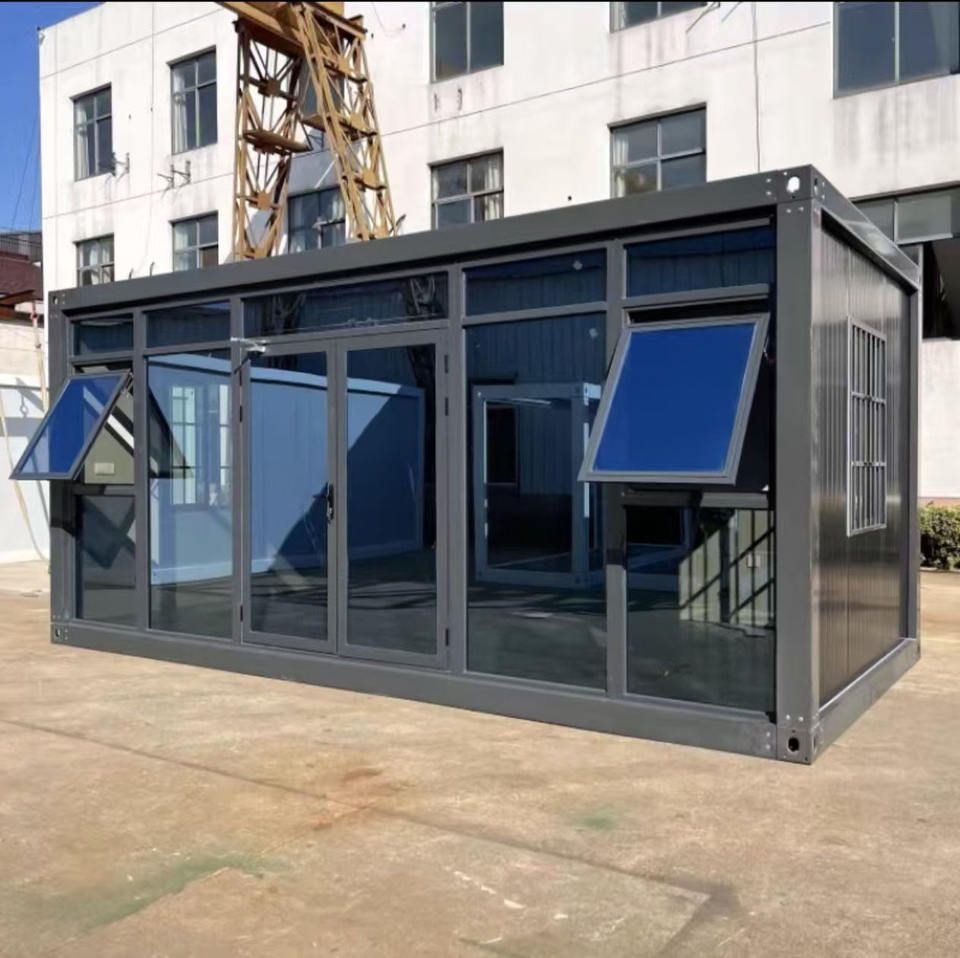
I. Diverse Types, Suitable for Multiple Scenarios Emergency relief toilets in Tianjin include three types: mobile, fixed, and biological treatment. Mobile toilets, made of lightweight materials, are easy to transport and quickly install, suitable for short-term temporary settlements during natural disasters and emergencies. Modular temporary restrooms, as a modular system, achieve rapid water and electricity connections through pre-assembled modules and can be flexibly combined into multi-squat configurations, suitable for disaster relief, large events, and temporary construction sites. Fixed toilets are suitable for long-term emergency needs, while biological treatment toilets reduce pollution through microbial degradation technology, meeting environmental protection requirements.
II. Scientific Design, Balancing Functionality and Safety The design of emergency toilets in Tianjin emphasizes functionality and safety, with wind and rain-resistant structures to adapt to extreme weather. The internal layout focuses on privacy protection and ventilation optimization, equipped with sealed containers or degradation technology to handle waste, preventing water and soil pollution. Modular temporary restrooms use lightweight, high-strength materials, with internal configurations including flushing systems, sewage discharge interfaces, lighting, and ventilation equipment. The reliability of manufacturing processes directly affects the lifespan of the facilities. Some toilets also incorporate eco-friendly elements such as solar lighting and rainwater collection to enhance sustainability.
III. Eco-Friendly Disposal, Reducing Pollution Risks Modular temporary restrooms offer two sewage disposal options: direct discharge and collection. Direct discharge requires connection to municipal sewage networks, suitable for long-term use at fixed locations. Collection systems are equipped with sealed sewage storage tanks, requiring periodic pumping for disposal, suitable for temporary sites. Biological degradation technology uses microbial agents to decompose feces, reducing pumping frequency and environmental pollution. Mobile toilets also use sealed containers or degradation technology to ensure waste disposal meets hygiene standards and avoids secondary pollution.
IV. Modular Installation, Enabling Rapid Deployment Modular temporary restrooms achieve rapid on-site connections through pre-assembled modules, with low foundation requirements, facilitating easy handling and installation. Mobile toilets adopt a modular design, supporting flexible configuration and expansion to quickly respond to emergency needs. This design significantly shortens deployment time, buying valuable time for emergency relief.
V. Efficient Management, Ensuring Continuous Operation The operation of emergency toilets in Tianjin relies on material supply and regular maintenance. Maintenance teams check cleanliness, waste capacity, and facility integrity daily, promptly replacing or repairing damaged parts. Waste disposal follows hygiene standards, with safe disposal through professional companies or on-site treatment methods. In the future, Tianjin plans to introduce intelligent monitoring systems to track usage status and waste levels in real-time, further enhancing management efficiency.



