
Three-Story Container Prefabricated House
There are various brands, styles, prices, and applicable scenarios for three-story container prefabricated houses. Here is a detailed introduction:
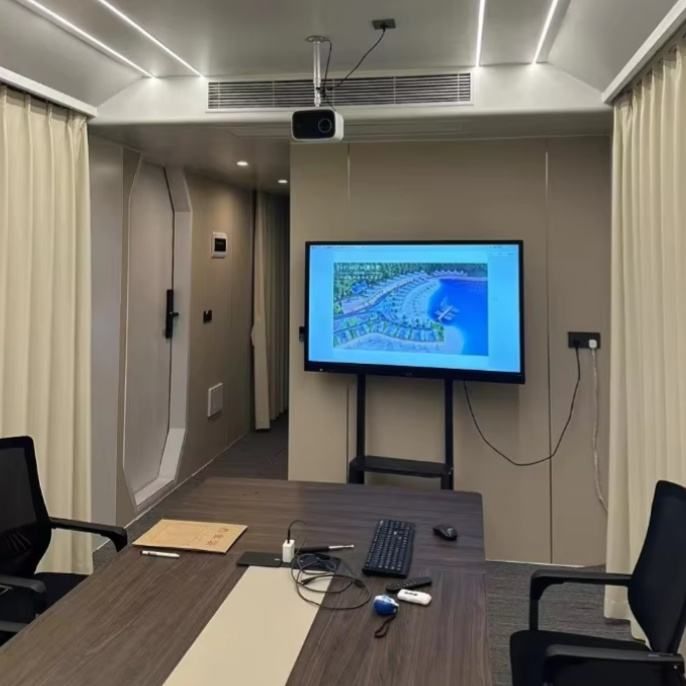
Brands and Styles: There are numerous brands offering three-story container prefabricated houses on the market, such as Yunsheng, Xigu, and Shengshan. The materials of these houses mainly include color-steel and steel structures, and the styles are divided into simple movable houses and movable panel houses. In terms of craftsmanship, there are two main methods: welding and assembly, allowing users to choose according to their actual needs and use scenarios.
Price Differences: The prices of three-story container prefabricated houses vary greatly depending on the brand, specifications, and region. For example, the price of a standard movable panel house in Tangshan, Hebei, is 13,800 yuan per set; the price of a fast-moving container frame that can be assembled into a temporary building with three stories and stairs in Weifang, Shandong, is 4,900.00 yuan per set; among the prices calculated by area, the site movable panel house in Weifang, Shandong, is 110.00 yuan per square meter, and the Huayingxing site movable panel house in Chengdu, Sichuan, is 100.00 yuan per square meter. It is worth noting that the price of movable panel houses for container cafes, hotels, etc., from the Yunsheng brand in Xingtai, Hebei, can reach as high as 60,000 yuan per square meter, mainly due to their high-end positioning and special purposes. In addition, the price of a three-story movable panel house from the Xigu brand in Foshan, Guangdong, is only 178.00 yuan per set, while the price of three-story containers for site project departments provided by Foshan Zhongyu Container Co., Ltd. starts from 5,000.00 yuan per unit.
Features and Uses: Three-story container prefabricated houses have the characteristics of free assembly and arbitrary combination, enabling them to adapt to the needs of various scenarios. For example, in engineering camps, they can serve as temporary offices and accommodation, providing a comfortable living environment for staff. In the commercial field, they can be used as temporary spaces such as pop-up stores and exhibition booths, offering flexible and diverse display and sales platforms for businesses.



