
Volver al blog
Artículo
Thickness of Container Mobile Housing
Admin 15 de septiembre de 2026
The thickness of container mobile housing varies depending on the material type and purpose. The thickness of the steel structural frame typically ranges from 1.2mm to 3.0mm, while the iron sheet layer of the enclosure panels (such as sandwich panels) ranges from 0.2mm to 0.8mm.
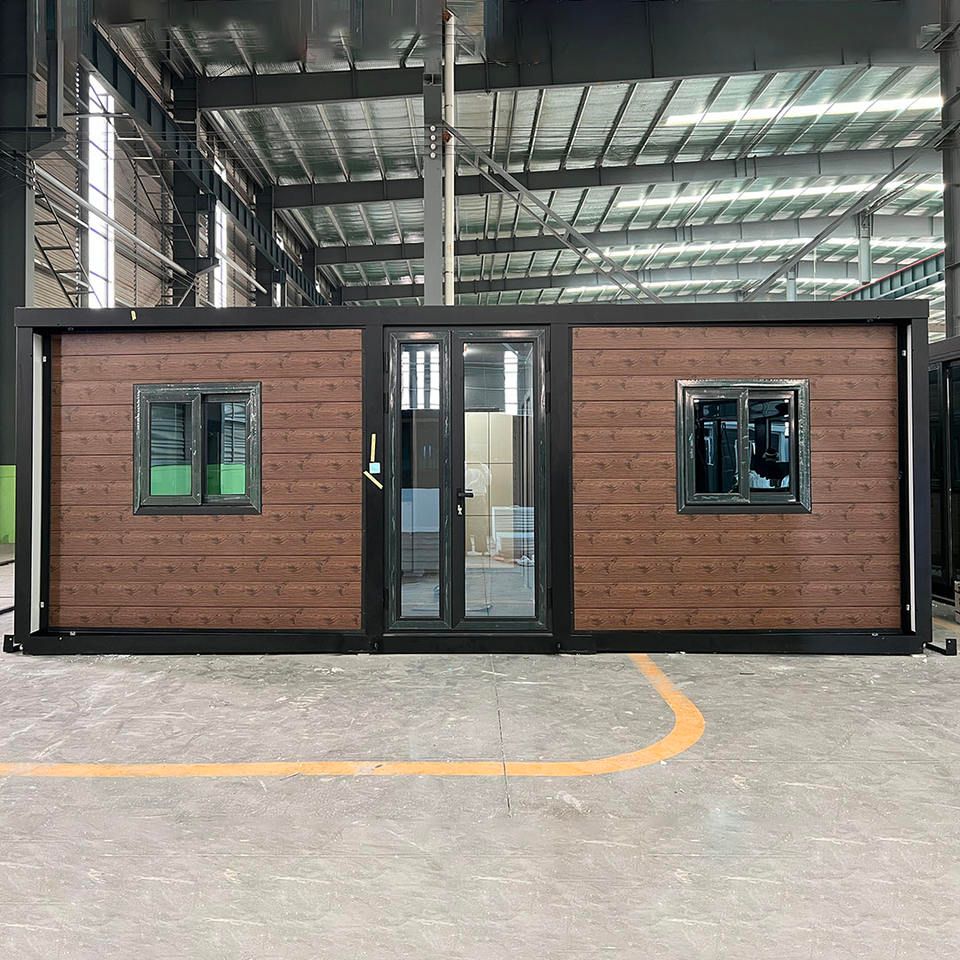
Thickness of Steel Structural Frames
The steel structural frame is the core load-bearing structure of container mobile housing, and its thickness directly affects the house's wind and earthquake resistance, as well as its service life.
- Standard Brand Products: Mainstream brands (such as Suzhou Zhongnan, CIMC Modular, and Yazhi Integrated, etc.) generally have steel structural frames with a thickness of ≥1.8mm. For example, Suzhou Zhongnan's container board houses use galvanized steel structural frames with a thickness of ≥2.0mm, achieving a wind resistance rating of 10 and meeting national earthquake resistance standards; CIMC Modular's steel structures have a thickness of 1.8mm, with a wind resistance rating of 9; Yazhi Integrated's products have a steel structure thickness of 1.7mm, with a wind resistance rating of 8.
- Non-standard White-label Products: To reduce costs, some non-standard products use ordinary steel with a thickness of ≤1.2mm, without galvanized anti-corrosion treatment, achieving a wind resistance rating of only 6-8. These products are prone to frame shaking and wall deformation, posing safety hazards.
- Special Requirement Products: Some customized container houses (such as packing-box container houses) use 3.0mm thick galvanized main beams for the bottom frame to enhance structural stability.
Thickness of Enclosure Panels
The thickness of enclosure panels (such as sandwich panels) mainly affects the house's thermal insulation, sound insulation, and durability.
- Iron Sheet Layer Thickness: Most mobile houses use large corrugated sandwich panels or flat sandwich panels, with iron sheet thickness ranging from 0.2mm to 0.8mm. For example, a combination of 0.8mm thick corrugated steel sheets and 100mm rock wool sandwich panels provided by traditional suppliers can meet basic thermal insulation needs in environments as cold as -30℃.
- Sandwich Layer Thickness: Sandwich panels are filled with materials such as rock wool, glass wool, or polyurethane, with a typical thickness ranging from 50mm to 100mm. For example, the walls of packing-box container houses use 75mm thick color-steel glass wool sandwich panels, while the roof material is 0.45mm galvanized color-steel sheets or 100mm glass wool.
Thickness of Other Structural Components
- Glass Thickness: Some container houses (such as sunrooms) use 4mm to 5mm insulated glass to enhance sound insulation and thermal insulation performance.
- Bottom Frame Thickness: The bottom frame of packing-box container houses uses 3.0mm thick galvanized main beams to enhance load-bearing capacity.
Relacionados



