
The Ultimate Guide to House Rental
The Ultimate Guide to House Rental covers topics such as reasons for renting, preliminary preparations, and legal considerations, providing comprehensive guidance for landlords.
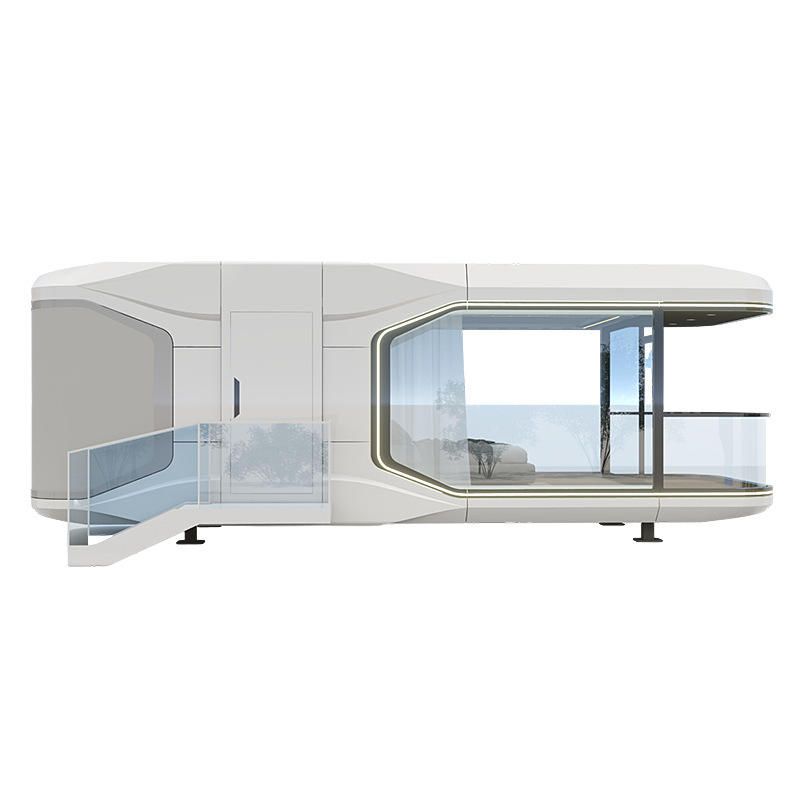
I. Clarify the Core Motivations for Renting
The primary motivations for renting out a property include generating passive income and retaining the potential for property value appreciation. By renting out their property, landlords can obtain stable rental income, creating a long-term cash flow. At the same time, retaining ownership of the property allows them to enjoy asset appreciation resulting from future market price increases. This motivation should be evaluated in conjunction with personal financial goals, such as whether there is a need for short-term cash flow supplementation or long-term asset allocation.
II. Conduct a Financial Feasibility Assessment
- Comprehensive Budgeting: Calculate fixed expenses such as existing mortgage payments, property management fees, and property taxes, and estimate potential rental income. For example, to ensure basic profitability, monthly rental income should cover more than 120% of the mortgage payment.
- Consider Hidden Costs: Include maintenance expenses (such as house repairs and equipment replacement), losses during vacancy periods (typically reserved at 5%-10% of annual rental income), and insurance costs in the budget. Data shows that among landlords who do not reserve maintenance funds, 63% face unexpected expenditure pressures in the first year.
- Cash Flow Stress Testing: Simulate scenarios such as delayed rental payments or vacancies lasting 3-6 months to assess your financial risk tolerance. It is recommended to maintain mortgage reserve funds for at least 6 months to cope with unexpected situations.
III. Master Legal and Compliance Considerations
- Familiarize Yourself with Rental Regulations: Understand local regulations regarding lease terms, rental increase limits, and deposit refund rules. For example, in some areas, deposits are not allowed to exceed twice the monthly rent and must be deposited into a designated regulatory account.
- Detail Lease Terms: Clearly define the division of maintenance responsibilities (such as the landlord being responsible for structural repairs and the tenant for daily wear and tear), conditions for early termination of the lease, and standards for compensation for breaches of contract. It is advisable to use standardized lease templates recommended by local governments to reduce the risk of disputes.
- Establish a Tenant Screening Mechanism: Evaluate tenant reliability through credit reports, proof of income, and reference letters from previous landlords. Data shows that strict screening can reduce the probability of rental arrears by 47% and the rate of property damage by 32%.
IV. Establish an Efficient Management Process
- Regular Inspection System: Conduct house inspections every quarter, focusing on checking for electrical and water safety, structural hazards, and tenant violations (such as unauthorized subletting).
- Maintenance Response System: Establish cooperation with 2-3 reliable maintenance providers to ensure that emergency repairs are handled within 48 hours. Non-emergency repairs can be scheduled for集中处理 (centralized handling) after the tenant moves out to minimize disruptions.
- Application of Digital Tools: Use property management software to automatically generate rental bills, track maintenance records, and store lease documents, which can improve management efficiency by more than 30%.



