
Pushing Over the Mobile Toilet
Pushing over a mobile toilet may involve legal liability, family disputes, or moral issues, with specific consequences depending on the motive, target, and outcome of the action.
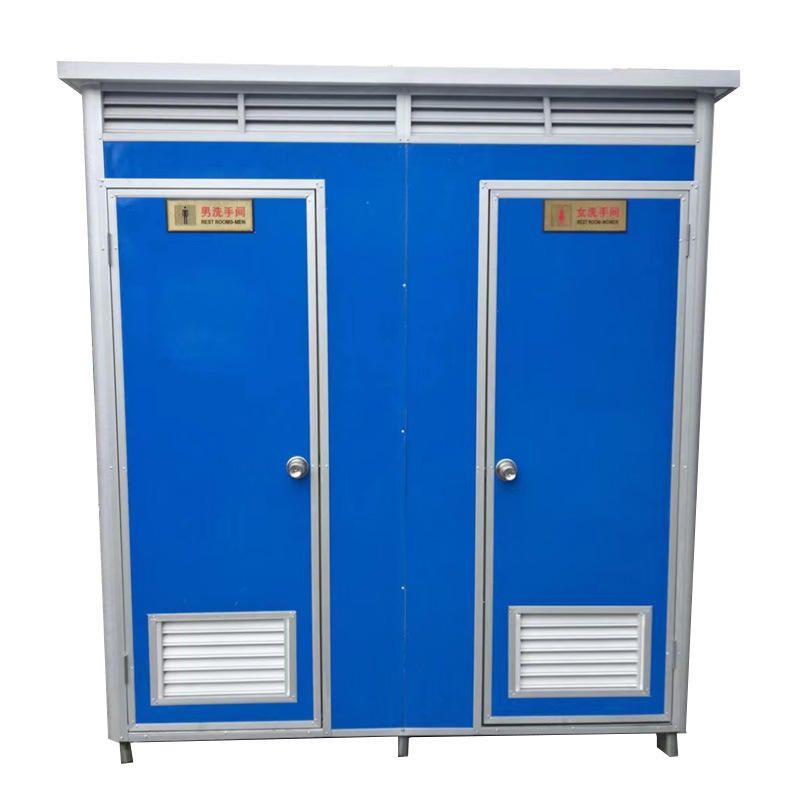
Liability and Educational Issues in Family Settings
In a family environment, pushing over a mobile toilet out of curiosity or mischief may lead to property damage disputes. For example, in one family, the son pushed the toilet into a river, causing the father to become angry due to property damage. Although such actions may not directly involve legal issues, they can disrupt family harmony and even lead to parent-child conflicts. Parents need to educate their children about the consequences of their actions and emphasize the importance of respecting others' property, avoiding simple and harsh punishments.
Legal Liability in Public or Others' Property Settings
If the mobile toilet pushed over is a public facility or owned by others, the action may constitute a violation of the law. For example, a woman in the United States was sued for pushing over her neighbor's mobile toilet and had to bear civil compensation liability, and her mental health might even be questioned due to the destructive act. According to the law, intentionally damaging others' property may result in fines, detention, or criminal charges, depending on the amount of loss and the severity of the circumstances.
Criminal Liability for Theft or Illegal Possession
If the motive for pushing over a mobile toilet is illegal possession or misappropriation for other uses, it may constitute theft. For example, a man surnamed Jiang at a marathon event pushed over a toilet and took it away, intending to use it for fishing by a fishpond, and was ultimately fined 5,000 yuan for theft. Such actions not only involve property damage but may also disrupt public order and require more severe legal consequences.
Comprehensive Consideration of the Consequences of the Action
The consequences of pushing over a mobile toilet need to be evaluated from multiple perspectives:
- Property Damage: Compensation for repair or replacement costs is required;
- Public Impact: If it affects public events such as sports events or community activities, administrative penalties may be imposed;
- Legal Classification: Whether it constitutes a crime depends on the motive (such as destruction or theft) and the outcome (such as the amount of loss).
It is advisable to avoid such actions under any circumstances. If damage is caused by accidental operation, one should take responsibility proactively and negotiate a solution.



